Jeju Gotjawal Land Purchases and Compensation for Residents’ Conservation Work Presented at UN Biodiversity Summit
- Input
- 2026-10-22 14:58:35
- Updated
- 2026-10-22 14:58:35
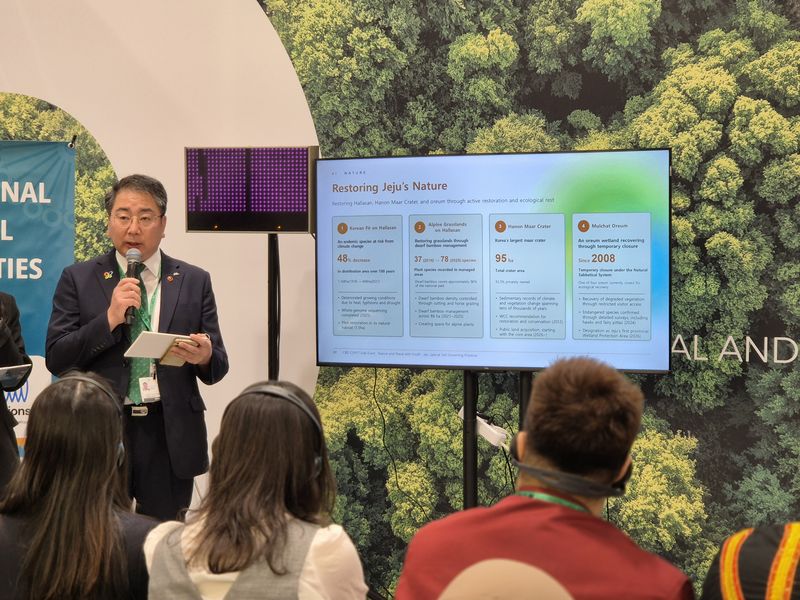
【Financial News, Jeju = Reporter Jeong Yong-bok】 Jeju Province presented its nature conservation policies at the United Nations Biodiversity Conference of the Parties (COP17), including purchases of privately owned Gotjawal land and compensation for residents’ ecosystem conservation work.
According to Jeju Special Self-Governing Province on the 22nd, Kang Hee-kyung, director of Jeju Province’s Environmental Policy Division, gave a presentation titled “An Island Connecting Nature and Peace: Jeju” at a side event of the 17th Conference of the Parties to the Convention on Biological Diversity, held in Yerevan, Armenia, on the 21st.
The event was a session titled “Nature and Peace with Future Generations,” held at the exhibition pavilion of ICLEI – Local Governments for Sustainability. Participants included local government officials, representatives of international environmental organizations, young people, and others.
Jeju Province’s nature conservation policies include purchasing privately owned Gotjawal land, a natural rest-year system for oreum, payments for ecosystem services, and community-based ecotourism. The policies focus on linking government measures to protect natural assets with conservation activities by local residents.
The Gotjawal land purchase program acquires forests at risk of development and damage as public or shared assets in order to conserve them. By June, Jeju Province, the Korea Forest Service, and the Jeju Gotjawal Sharing Foundation had purchased a total of 693 hectares of Gotjawal. The cumulative purchase amount was 84.58 billion won.
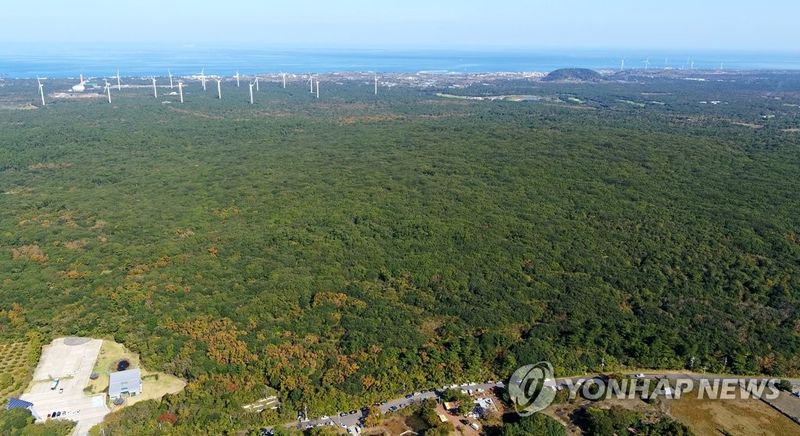
In July this year, Jeju Province also issued a notice of plans to purchase about 20 hectares of privately owned land in Gotjawal protected areas. After on-site inspections and reviews of the land applications, it plans to negotiate purchases in phases from 2027, subject to available budget.
Payments for ecosystem services were presented as a policy to encourage resident participation. Under the program, residents or village communities receive compensation in accordance with a contract when they carry out ecosystem conservation activities.
This year, Jeju Province invited applications from village communities, landowners, and others to participate in ecosystem services payment contracts, with a total budget of 400 million won. Support is capped at 50 million won per project, with compensation paid after compliance with the contract is verified.
Ecotourism at Dongbaekdongsan in Seonheul-ri, Jocheon-eup, Jeju City, was presented as an example of resident participation in nature conservation. Jeju Province shared with the international community the experience of local residents taking part in conserving natural resources and ecotourism activities.
The oreum natural rest-year system, intended to help restore damaged natural environments, was also included in the presentation. The system restricts visitor access for a set period to give vegetation and the natural environment time to recover.
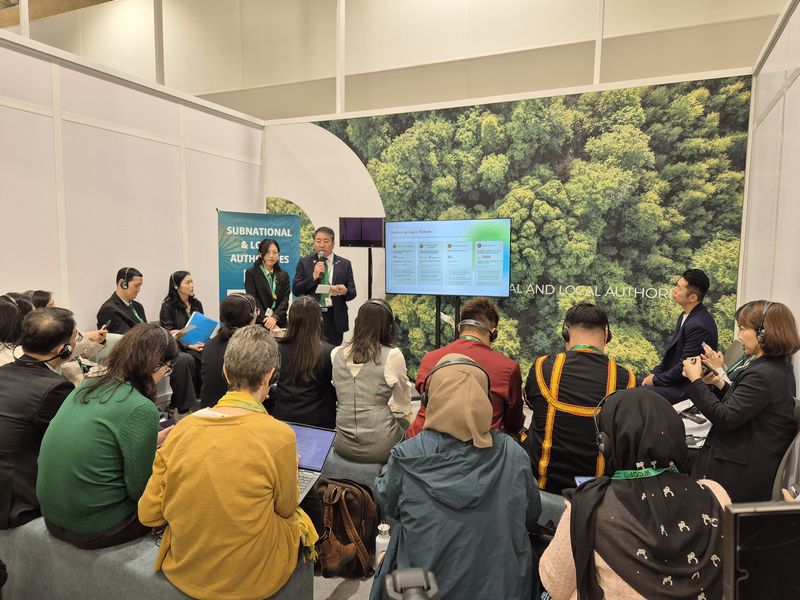
Environmental activities by future generations were also a key agenda item. Jeju Province introduced programs such as the International Environmental Forum for Future Generations and Jeju Environmental Run-cation, where young people and students learn about and discuss environmental issues.
At the event, Jeju, Yeoncheon County in Gyeonggi Province, and youth representatives from Indonesia presented local experiences in nature conservation. A discussion followed on ways for future generations to participate in biodiversity conservation.
The conference is being held in Yerevan, Armenia, from the 19th through the 30th under the theme “Action for Nature.” It is the first meeting to comprehensively review implementation of the Kunming-Montreal Global Biodiversity Framework, adopted in 2022.
Through this agreement, the international community set targets to halt biodiversity loss, including conserving at least 30% of land and ocean areas by 2030. At this conference, countries’ progress and shortcomings in implementing the targets will be reviewed, and plans for action over the remaining period will be discussed.
Im Hong-cheol, director of Jeju Province’s Environment and Forestry Resources Bureau, said, “For efforts to protect nature to continue steadily in local communities, it is important for residents and future generations to take part,” adding, “We will share Jeju’s conservation experience with the international community, learn from the experiences of other regions, and continue our cooperation.”
[email protected] Jeong Yong-bok Reporter