Lone Star’s 280 billion won tax-refund suit: Government wins in full ... “The right to claim a tax refund belongs to Korea Exchange Bank”
- Input
- 2026-10-22 14:20:30
- Updated
- 2026-10-22 14:20:30
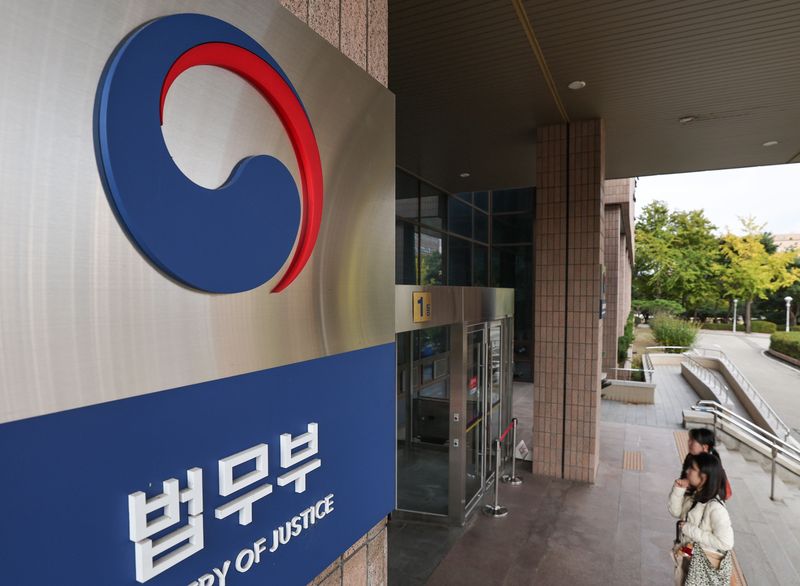
The Ministry of Justice said in a press release on the 22nd that it had won in full in proceedings on remand in a corporate tax restitution suit brought by Lone Star Funds against the state. The Seoul High Court dismissed all of the plaintiffs’ claims that day. The amount in dispute was approximately 280 billion won, consisting of about 153.4 billion won in principal plus an estimated 128 billion won in refund interest and delay damages. Refund interest is statutory interest that the state adds to the refund when returning taxes.■ Taxes withheld by Korea Exchange Bank: Who holds the right to claim a refund?The case stemmed from Korea Exchange Bank and others withholding and remitting national taxes while paying dividends and other amounts to Lone Star Funds’ intermediate holding companies from 2004 to 2007. From 2008 to 2012, the tax authorities assessed approximately 176.3 billion won in corporate taxes, reasoning that Lone Star Funds was the beneficial owner of the income and had a permanent establishment in Korea. They also credited and applied the previously collected withholding tax refund as taxes already paid by Lone Star Funds.
In 2017, after the Supreme Court overturned the corporate tax assessment, finding it difficult to recognize that Lone Star Funds had a permanent establishment in Korea, the tax authorities refunded the taxes, except for the portion that had been credited and applied. Lone Star Funds filed suit in December 2017, seeking the return of the approximately 153.4 billion won that remained unrefunded.■ Whether an “implied agreement” existed proved decisive ... Why the lower-court rulings were overturnedThe issue was who held the right to claim a refund of the withheld taxes: the taxpayer that actually bore the tax (Lone Star Funds) or the withholding agent that withheld and remitted it (Korea Exchange Bank and others).
The trial court in June 2023 and the appellate court in September 2024 both recognized Lone Star Funds’ right to claim a refund and granted part of its claims. They did so because they considered the credits and offsets to have been made under an implied agreement with the withholding agents.
On April 24 last year, the Supreme Court’s First Petty Bench, with Justice Rho Tae-ak as the justice in charge, overturned the rulings and sent the case back to the Seoul High Court. The panel held that “with respect to taxes paid in the name of a withholding agent, the withholding agent is the holder of the right to claim a refund,” and that a taxpayer whose income was subject to withholding may claim a refund only for taxes paid in its own name. The panel said the case should be reconsidered to determine whether an agreement existed, noting that the withholding agents’ failure to expressly object to the credits and offsets was not, by itself, enough to conclude that there had been an agreement.
The court on remand dismissed all claims, finding no special circumstances, such as an agreement. The Ministry of Justice said it had coordinated its litigation strategy with the Seoul Metropolitan Prosecutors’ Office, the supervising office, the Seoul Regional Tax Office, the office handling the case, and litigation counsel, and had established that there were no grounds to find that the right to claim a refund belonged to Lone Star Funds.
Lee Jin-su, acting Minister of Justice and Vice Minister of Justice, said, “This ruling enabled us to prevent at least 280 billion won from flowing out of the state treasury,” adding, “We will do our utmost to protect the national interest in future cases involving the same or similar issues.”
[email protected] Kim Dong-kyu Reporter