“Cotton swabs after a shower—are they really necessary?” The surprising truth about earwax [Health Talk]
- Input
- 2026-10-22 11:09:58
- Updated
- 2026-10-22 11:09:58
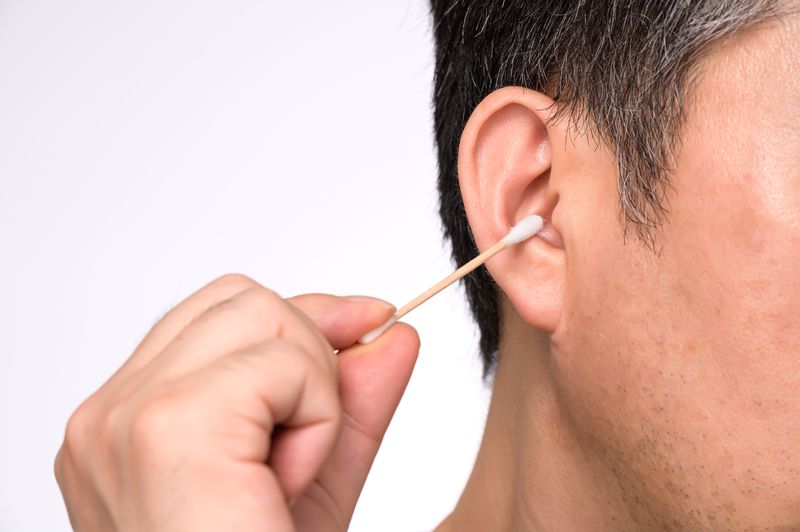
[Financial News] Earwax isn’t dirt. It’s a “guardian inside the ear” that keeps bacteria and fungi at bay and prevents dust from reaching the eardrum. The ears clean themselves, so there’s no need to dig it out. But many people still instinctively reach for a cotton swab after a shower.
Lee Il-woo, head of the Department of Otolaryngology at On Hospital in Busan, explained, “When their ears feel itchy or blocked, many people are used to digging them out with an ear pick or cotton swab to get relief.” He added, “But frequently cleaning out your ears is a shortcut to harming their health.”
Earwax: a “natural protective barrier” for the skin inside the ear
Earwax forms when secretions from the sebaceous and apocrine glands in the external auditory canal mix with dead skin cells that have sloughed off. Its acidity prevents bacteria and fungi from multiplying, and it forms an oily layer that keeps the skin in the ear canal from drying out. It also acts as a barrier, keeping dust and other foreign matter from reaching the eardrum.
The jaw joint does the cleaning. As it moves when you chew or speak, earwax that has built up in the ear is naturally pushed outward. That’s why you don’t need to deliberately remove earwax in everyday circumstances.
When a buildup of earwax grows large enough to partially or completely block the ear canal, it is called earwax impaction (a blocked ear canal). If a large lump of earwax is lodged near the eardrum, it can touch the eardrum whenever you move your jaw or turn your head, producing a “clicking” or “clunking” sound. The blockage can also make your ear feel muffled, as if water has gotten in, or make it harder to hear.
Lee explained that the reasons earwax frequently builds up or clumps together vary depending on a person’s constitution, ear structure and habits. People genetically predisposed to “wet earwax” because their apocrine glands produce more secretions, or those whose earwax hardens and ear canal hairs thicken as gland function changes with age, are more likely to develop clumps.
Earwax may also have trouble coming out if the ear canal is naturally narrow or sharply curved inward, or if its shape has changed, as with an osteoma of the ear canal. Wearing wireless earbuds, hearing aids or earplugs for a long time can also restrict airflow and block the path for earwax to exit, making this a major cause.
Cotton swabs can cause irritation, ear canal infections and eardrum damage
If your ear feels blocked, it’s dangerous to insert an ear pick or cotton swab deep into it. Doing so can push earwax that was on its way out farther inside and cause it to harden in layers. It can also cause tiny cuts in the sensitive skin of the ear canal, potentially leading to otitis externa caused by bacterial infection. In severe cases, direct irritation of the eardrum can even lead to a perforation.
Lee pointed out, “Quite a few patients come to the hospital with otitis externa or eardrum injuries after scratching the ear canal while trying to dig out earwax with a cotton swab or pointed tool out of frustration when their ears feel muffled or clunk.”
Earwax-softening drops sold at pharmacies should also be used with caution. If earwax has already completely blocked the ear canal, or if the eardrum is injured or perforated, the wax can swell, worsening the pain or causing a middle ear infection. For that reason, people should not attempt to treat the problem themselves.
As a rule, you should only clean the entrance to the ear. After showering or washing your face, gently wipe away only the moisture and secretions that have naturally come out to the ear opening, using a towel or cotton swab.
If a buildup of earwax makes it hard to hear, or pain or clunking persists, don’t try to dig it out yourself; see an ENT specialist. At the hospital, clinicians safely remove the wax using a suction device or instruments while checking the condition of the eardrum. If you’re prone to frequent earwax buildup or have a narrow ear canal, it’s a good idea to have your ears checked by an ENT specialist every six months to a year.
[email protected] Jeong Myeong-jin, medical specialist Reporter