Comprehensive Review of the Detailed Design for the KPS Satellite No. 1 System Completed
- Input
- 2026-10-22 12:00:00
- Updated
- 2026-10-22 12:00:00
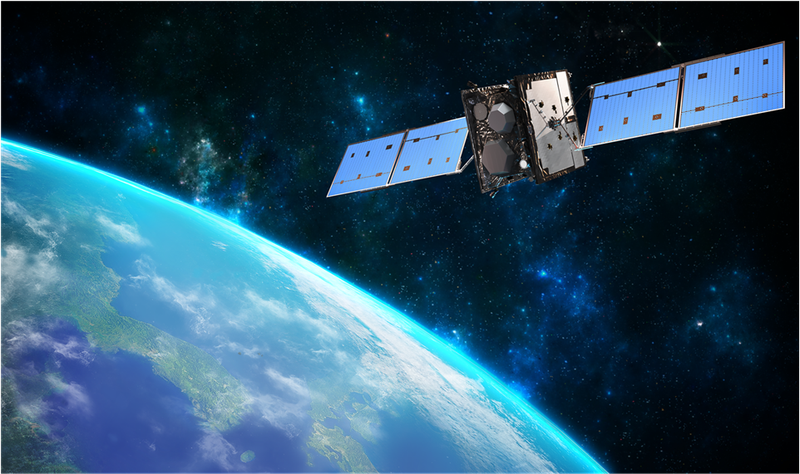
[Financial News] The detailed design of the KPS satellite No. 1 system has been completed. The satellite is being developed with a launch in 2029 as its goal.
Korea AeroSpace Administration (KASA) said on the 22nd that it had held a three-day detailed design review of the KPS satellite No. 1 system from the 20th to the 22nd at the Korea Aerospace Research Institute, together with relevant ministries and R&D institutions, including the Ministry of Land, Infrastructure and Transport, the Ministry of Oceans and Fisheries, and the Korea Coast Guard. The meeting was part of the process of finalizing the design of KPS satellite No. 1, which is being developed with a launch in September 2029 as its goal. Following a detailed design review of the satellite’s payload in September, the review was expanded to cover the entire satellite.
KPS satellite No. 1 consists of a bus and payloads. The bus is a key component that supports the multiple payloads that determine KPS navigation performance, enabling them to perform their intended functions. For the satellite to carry out its mission reliably, it must be designed to support the payloads not only through the payloads’ own performance, but also through the satellite bus’s functions, interfaces between components, power generation, and attitude control.
The meeting brought together relevant ministries, specialized organizations, and R&D institutions to focus on whether the design of each component met the functions and performance required of the satellite as a whole. Participants also reviewed the design of the satellite No. 1 bus and the connections and operating relationships among components, including the payloads.
In particular, participants comprehensively reviewed the interfaces—the conditions governing connections between the bus and components such as the payloads. The focus was on confirming that the equipment would work smoothly together when integrated as a single satellite, beyond functioning individually. They also reviewed matters to be checked during subsequent manufacturing and assembly, along with plans to verify performance through testing.
KASA will hold an integrated detailed design review of the KPS system, ground system, and user system in November. Based on the review results for satellite No. 1 and the design results for each area, it will comprehensively examine the designs of major systems and the connections between them from the perspective of the overall system. KASA plans to work with relevant organizations to flesh out preparations for manufacturing, assembly, and testing based on the review results, and to manage the subsequent development schedule.
Kim Jin-hee, director of KASA’s Satellite Division, said, “This meeting provided an opportunity to review the connections between the navigation payload, the satellite bus, and the components, and to confirm the design maturity of satellite No. 1 as a whole.” Kim added, “We will faithfully incorporate the review results into preparations for subsequent manufacturing, assembly, and testing, and proceed with the integrated detailed design review in November as planned.”
[email protected] Yeon Ji-an Reporter