Rep. Cho Kyoung-tae: “KMCC allows group telecom contracts in apartments, raising concerns over double charges for residents”
- Input
- 2026-10-22 09:56:47
- Updated
- 2026-10-22 09:56:47
[Financial News] Two years have passed since a legal provision banning exclusive contracts for communications services in multi-unit buildings such as apartments and villas took effect, but controversy continues over the interpretation of the Korea Media and Communications Commission (KMCC), which allows building-wide group contracts.
The KMCC’s interpretation is that the contract itself is allowed as long as residents can choose another telecom provider. However, in buildings where telecom fees are included in maintenance charges, residents ultimately face double costs or have their choices restricted.
Telecom fees included in maintenance charges... Double burden for residents who use another provider
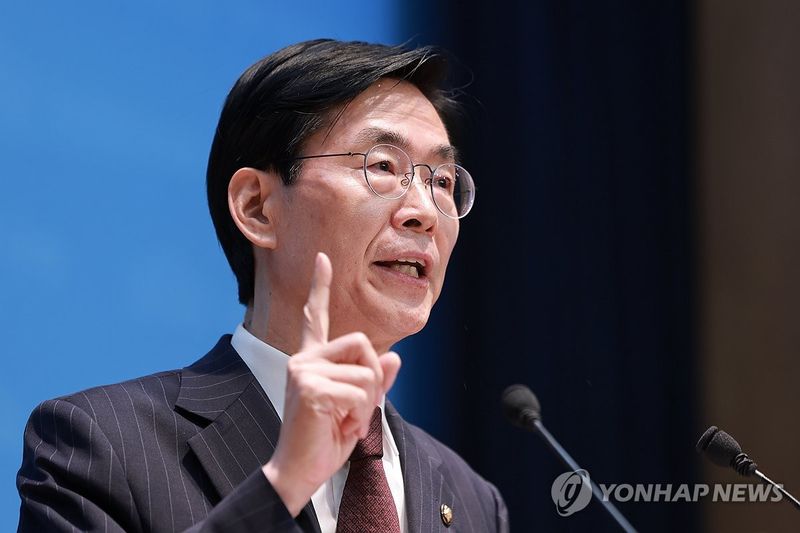
On the 22nd, Rep. Cho Kyoung-tae of the People Power Party, a member of the Science, ICT, Broadcasting, and Communications Committee of the National Assembly of South Korea, criticized the KMCC for maintaining its interpretation that new group contracts for multi-unit buildings are not prohibited, thereby restricting residents’ choices and undermining the intent of the law.
Group contracts for multi-unit buildings are arrangements in which a building owner or management body signs an internet or IPTV contract with a particular telecom provider and charges residents by including the fees in maintenance charges or other bills. Residents may cancel their existing telecom service or lose discounts for bundling it with mobile service. There are also concerns that the benefits of these contracts may end up as rebates paid by telecom providers to building owners.
The Telecommunications Business Act, amended in 2024, prohibited telecom providers from forcing residents to use only certain communications services when signing contracts with building management bodies. The provision took effect on July 31 that year, and the KMCC brought into effect a notice setting out detailed standards in February 2025. However, the KMCC interprets the law to mean that group contracts themselves are not prohibited if residents can use another provider should they wish.
Rep. Cho said that this right to choose is ineffective in practice. In buildings where telecom fees are included in maintenance charges, residents who sign up with another provider may have to pay both the fees included in their existing maintenance charges and the new telecom bill. In a survey by the Korea Information Society Development Institute (KISDI), 23.3% of respondents said they could subscribe only to a particular provider’s high-speed internet service at their current residence. The difficulty of finding out whether a group contract exists or what its terms are, as well as the need to make a direct request to the building owner to use another provider, were also cited as obstacles to exercising this choice.
Contracts guarantee freedom of choice... Rebate practices also under scrutiny
Industry observers say some telecom providers include language in contracts stating that residents’ right to choose is guaranteed, then shift responsibility to building owners or management bodies if exclusivity issues arise.
For example, there have been cases in which providers claim there is no exclusivity because residents in the remaining units can use another provider, even when they have contracts with 70–80 of the 100 units in a building.
There is also criticism that the current interpretation differs from the regulatory agency’s previous policy. In 2021, the Korea Communications Commission asked the three telecom providers not to accept new group-contract sign-ups in buildings with 50 or more units and said it would prepare measures to ban exclusive contracts. There were also confirmed cases in August 2024 of users being notified that their existing group contracts would end. However, Rep. Cho said the KMCC currently maintains that group contracts themselves are allowed.
According to the KISDI study presented by Rep. Cho, “Analysis of Exclusive Contracts for Telecommunications Services in Multi-Unit Buildings and Measures for Redress,” rebates paid by telecom providers to building management bodies are generally cash payments per unit. In some cases, the payments were large enough to recoup the investment over a three-year contract. The researchers analyzed the market as being shaped by competition over rebates rather than prices or service quality. The three telecom providers interviewed were generally found to support a blanket ban on multi-line contracts.
Rep. Cho argued that group contracts and rebates could be clearly designated as prohibited acts through a revision to the Enforcement Decree under Article 50(3) of the Telecommunications Business Act, without passing a new law. “Telling residents who already pay their telecom bills through maintenance charges that they can use another provider if they wish is like telling them to pay twice,” he said, urging the KMCC to correct its interpretation and establish relevant standards.
[email protected] Yoon Hong-jip Reporter