‘Highly pathogenic avian influenza detected in wild bird droppings at Suncheon Bay’ ... Gwangju Metropolitan City steps up biosecurity measures
- Input
- 2026-10-22 09:15:30
- Updated
- 2026-10-22 09:15:30
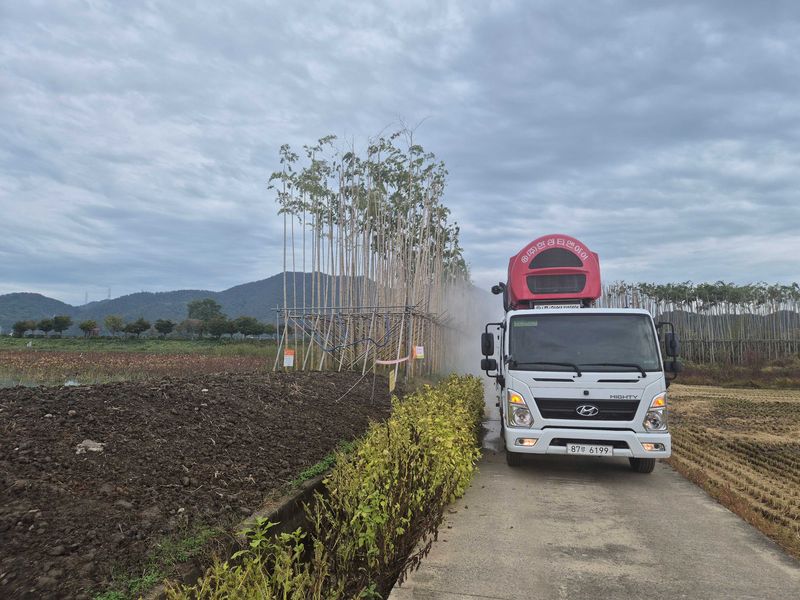
【Financial News, Jeonnam-Gwangju—Hwang Tae-jong, reporter】The Jeonnam-Gwangju Integrated Special City (Gwangju Metropolitan City) launched emergency containment measures after highly pathogenic avian influenza (AI) was detected in wild bird droppings at Suncheon Bay for the first time this winter.
On the 22nd, Gwangju Metropolitan City said that H5-subtype highly pathogenic AI virus was confirmed on the 20th in wild bird droppings collected on the 12th at a migratory bird habitat in Suncheon Bay. This was the first case detected in wild birds in the country this winter, and the government raised the nationwide AI alert level from “Caution” to “Serious.”
Gwangju Metropolitan City also imposed an emergency movement restriction on one poultry farm within a 10-km radius of the detection site and conducted detailed testing. Fortunately, the farm was found to have no abnormalities.
Gwangju Metropolitan City also installed footbath disinfection stations at Suncheon Bay Wetland and strengthened biosecurity measures, including disinfecting visitors and controlling access. It completely prohibited livestock transport vehicles from entering restricted areas, provided detour routes through the vehicle location information system (GPS), and carried out disinfection and other biosecurity measures.
It also mobilized 581 officials assigned to the cities and counties to advise poultry farms on biosecurity measures to keep wild birds out, including repairing poultry-house netting. It also required poultry farms and poultry slaughterhouses to conduct daily clinical surveillance and inspections of biosecurity facilities and to step up disinfection at the relevant facilities.
Son Myeong-do, director of Gwangju Metropolitan City’s Agriculture, Livestock and Food Bureau, said, “As migratory birds begin arriving in earnest, the risk of highly pathogenic AI entering farms is increasing.” He added, “Poultry farms should strictly follow basic biosecurity measures, including keeping wild birds away, controlling access and disinfecting.”
Gwangju Metropolitan City has been operating 32 quarantine-response situation rooms since the 1st and maintaining a 24-hour emergency contact system. It has also installed hub disinfection facilities in 22 cities and counties to step up disinfection of livestock transport vehicles.
In particular, poultry farmers were urged to repair netting and carefully manage doors to prevent wild birds from entering poultry houses. The city emphasized removing spilled feed to keep wild birds away and stepping up disinfection inside and outside farms, as well as controlling access by people and vehicles.
Son Myeong-do, director of the Agriculture, Livestock and Food Bureau, said, “Livestock farmers should avoid visiting migratory bird habitats, and members of the public should also refrain from entering poultry farms after visiting such places.” He added, “In particular, if suspected signs such as an increase in deaths among farmed poultry appear, they should be reported immediately to the relevant biosecurity authorities.”
[email protected] Hwang Tae-jong Reporter