Lee Chan-jin considers ban on moneylender loans to servicemembers; industry warns, “They’ll turn to illegal lenders”
- Input
- 2026-10-21 17:16:44
- Updated
- 2026-10-21 17:16:44
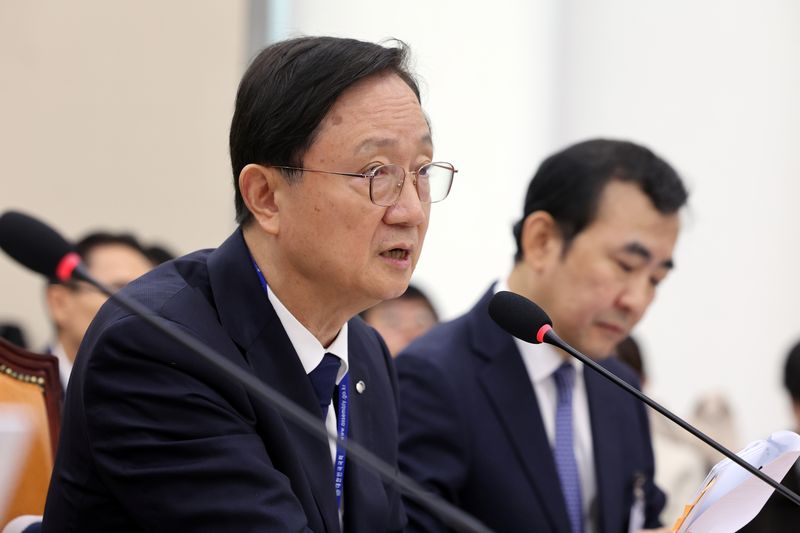
[Financial News] Although Financial Supervisory Service Governor Lee Chan-jin said he would consider regulating loans from moneylenders to active-duty military personnel, opposition is emerging in the financial sector. Critics, particularly in the moneylending industry, say it is misguided to treat servicemembers’ problems with debt-fueled investing (investing with borrowed money) or online gambling as if they were problems caused by the moneylending industry.
According to the financial industry on the 21st, FSS Governor Lee Chan-jin said at a parliamentary audit by the National Assembly’s Political Affairs Committee on the 19th, “I am considering whether we could pursue direct regulation, such as prohibiting moneylenders from lending to soldiers serving their mandatory military service. If we can reach agreement through consultations with the military authorities and the Financial Services Commission, I will try to move forward.” During the audit, when Han Min-su of the Democratic Party of Korea said, “The FSS and the government need to devise comprehensive measures so that young people performing their national defense duty can return to society as healthy economic actors,” Governor Lee replied, “I agree with what you said,” and added, “I will report back once measures have been prepared.”
“As of the end of June this year, active-duty soldiers’ outstanding loans totaled 21.354 billion won, with 1.694 billion won in overdue loans and a delinquency rate of 7.93%,” lawmaker Han said. He noted that “86% of all moneylenders fall under the jurisdiction of local governments, leaving them effectively outside the FSS’s supervisory reach.” He added, “The FSS’s fact-finding surveys cover only the 30 largest firms, and even guidance and inspections are not being carried out,” and said, “The introduction of regulations to prevent loans to active-duty soldiers, which the FSS is discussing, is in fact being delayed.”
“A blanket ban would be difficult,” an FSC official said. “It could amount to reverse discrimination against soldiers who need emergency cash for urgent hospital bills or living expenses, rather than for debt-fueled investing or gambling.” The official added, “At the FSC level, we plan to address excessive lending and delinquency through administrative guidance.”
“It may be difficult to completely ban moneylenders from lending to servicemembers, but I agree with the rationale behind the FSS governor’s review,” said Lee Gyu-bok, a senior research fellow at the Korea Institute of Finance. “It will be necessary to actively promote the Korea Inclusive Finance Agency and various policy-based financial products so that soldiers who need emergency cash can use them.”
“Demonizing the entire moneylending industry will not help solve the problem of delinquency among servicemembers,” a financial industry official said. “If soldiers are taking on debts they cannot repay because they are investing with borrowed money or getting caught up in online gambling, addressing that problem should come first.” The official added, “If their gambling addiction is not addressed, the only place they will eventually turn when they can no longer borrow from moneylenders is illegal private lenders. The problem needs to be properly diagnosed and the right remedy applied.”
[email protected] Park Mun-su Reporter