Korean Air adds new aircraft and retires older ones, accelerating fleet renewal
- Input
- 2026-10-21 15:13:14
- Updated
- 2026-10-21 15:13:14
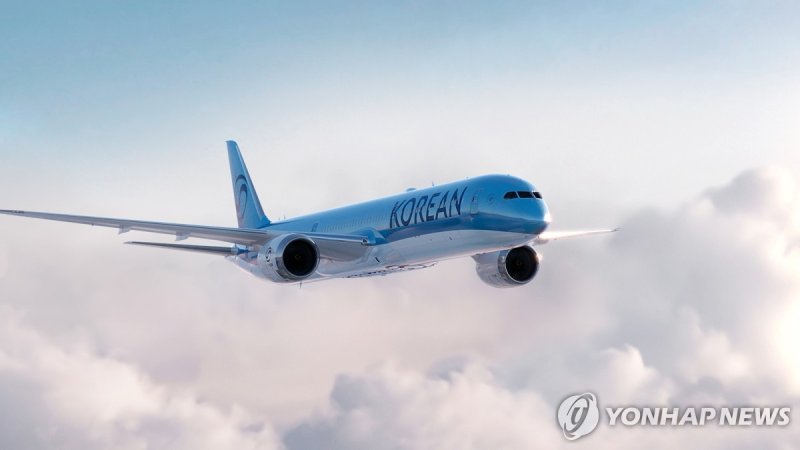
[Financial News] Korean Air received a next-generation Boeing 787-10 aircraft last month and put it into service, while retiring older aircraft, accelerating the generational transition of its fleet, according to reports. The airline is increasing the share of newer aircraft in its overall fleet and appears to be strengthening its competitiveness on medium- and long-haul routes ahead of its integration with Asiana Airlines.
According to Financial News’ reporting on the 21st, as of September 30 Korean Air had a total of 166 aircraft: 143 passenger planes and 23 cargo planes. The total was unchanged from July, but the fleet’s composition by aircraft type had changed. The number of B787-family aircraft rose by one, from 31 to 32, while the number of B777-family aircraft fell by one, from 30 to 29.
The aircraft added last month was a Boeing 787-10. A Korean Air representative said, “We took delivery of one Boeing 787-10 in early September and put it into service starting in mid-September.” The aircraft was one of those covered by a contract Korean Air signed in 2019, and was delivered in sequence according to the original delivery schedule, it was confirmed.
The aircraft removed from the fleet roster was HL7765, a B777-200ER. Korean Air has been gradually taking aircraft of this type out of service since 2020. HL7765, too, had been grounded and was removed from the official fleet count after completing administrative deregistration procedures, according to reports.
This change is seen as part of Korean Air’s fleet modernization efforts. The Boeing 787-10 is a next-generation aircraft with better fuel efficiency than existing medium- and long-haul aircraft, and is considered one of Korean Air’s long-term mainstay models. Although the total fleet remained at 166 compared with July, the removal from the roster of older aircraft that were no longer in service and the entry of newer aircraft into actual service mark a qualitative change in the operating fleet.
Increasing the share of newer aircraft is also a factor affecting an airline’s profitability. Using more fuel-efficient aircraft can reduce fuel costs, and savings in maintenance costs compared with older models are also expected. In addition, efficiently assigning aircraft to meet passenger demand on long-haul routes can make seat-capacity management more flexible. For Korean Air, which is preparing to launch an integrated airline, improving fleet operating efficiency is considered one of the key challenges that will determine its medium- to long-term profitability.
Korean Air plans to continue expanding its introduction of newer aircraft. In September, it finalized aircraft purchase contracts with Boeing for a total of 103 aircraft, including 25 Boeing 787-10s, 20 B777-9s, 50 B737-10s and eight B777-8F freighters. These contracts are separate from the aircraft delivered this time, and fleet modernization is expected to accelerate further as deliveries of next-generation aircraft ramp up.
A Korean Air representative said, “Under our fleet modernization plan, we are gradually replacing older aircraft with the latest environmentally friendly aircraft.”
[email protected] Jeong Won-il Reporter