Could costs for the U.S. Alaska LNG project hit 120 trillion won? How much will South Korea have to bear?
- Input
- 2026-10-21 13:53:23
- Updated
- 2026-10-21 13:53:23

[Financial News] The viability of the Alaska liquefied natural gas (LNG) project in Alaska, U.S., which South Korea is considering investing in, is coming under strain as claims that development costs could nearly double previous estimates have resurfaced. Experts said the project would be viable only if Asian buyers, including those in South Korea, paid a premium for Alaska LNG or U.S. President Donald Trump personally stepped in.
Costs could double from $44.5 billion
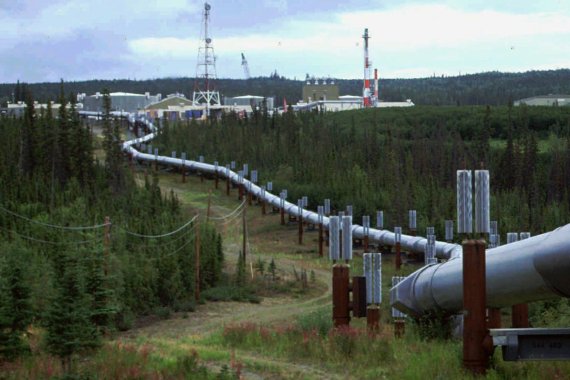
Becky Vint Pearson, head of legal and external affairs at U.S. energy company Glenfarne, discussed the cost of the Alaska LNG project in an interview with Alaska Daily News (ADN), a local media outlet, on the 20th (local time). “At this point, we don’t know exactly what our budget structure will look like,” she said, adding, “We’re currently at the structural concept stage.” The project would transport natural gas from northern Alaska to the south through a pipeline about 1,297 kilometers long, then liquefy it and export it to Asia and elsewhere. Glenfarne holds a 75% stake in the project, with the remainder held by the Alaska Gasline Development Corporation (AGDC), an agency under the Alaska state government. In a 2018 report, AGDC estimated the total project cost at $43.4 billion. Glenfarne later said in a report submitted to the state legislature in June that the total cost would be $44.5 billion to $54.5 billion (about 59 trillion to 72 trillion won), with Phase 1 costing $13.2 billion to $16.9 billion.However, British energy consultancy GaffneyCline said the project cost estimates were inaccurate in a feasibility report it prepared last December at the request of the Alaska Legislature’s Budget and Audit Committee. GaffneyCline assessed the estimates presented by AGDC and others as no more than “Class 5,” an early-stage feasibility estimate. It said Class 5 estimates are not based on detailed engineering design and can differ from actual costs by -50% to +100%. This means the actual project cost could rise to as much as twice the current estimate.
Earlier, the Alaska House of Representatives held a Finance Committee hearing in May and raised questions about the LNG project’s cost. At the time, Republican state Representative Alyse Galvin pointed out that the cost estimate did not account for inflation, saying, “Even if you apply only the Consumer Price Index (CPI), it would come to $57 billion to $60 billion.”

Buyers and the U.S. federal government must share the burden
In reports on the 1st, U.S. media said the Alaska LNG project would cost more than twice as much as typical LNG developments along the U.S. Gulf Coast. Experts agreed that building a long-distance gas pipeline was the reason for the higher costs. Increased investment costs will ultimately lead to higher LNG prices. Glenfarne and other project stakeholders have argued that Alaska LNG is competitive in terms of shipping costs because it is close to major buyers such as South Korea, Japan and Taiwan. In response, Jason Payer, head of business intelligence at U.S. energy consultancy Poten & Partners, said, “The question is whether Asian buyers are willing to pay a premium in exchange for security of supply.” He added, “So far, I haven’t seen evidence that they are.”Another issue is taxes. Alaska currently levies annual property taxes equivalent to 2% of asset value on oil- and gas-related facilities. Glenfarne previously urged the state government to defer property taxes until the pipeline begins operating, arguing that the tax burden makes it difficult to attract investment. On the 16th, South Korean media reported that the Ministry of Trade, Industry and Energy had recently asked the U.S. government to ease the property tax burden.
GaffneyCline stressed in its report that even Canadian LNG projects in circumstances similar to Alaska’s could reach a final investment decision only after federal and provincial governments had committed a total of 4 billion Canadian dollars (about 3.8 trillion won) in support, including corporate tax cuts, provincial tax refunds, carbon tax exemptions and tax credits.
Meanwhile, President Trump said at a midterm campaign rally on the 13th that the Alaska LNG project had become a “federal government project.” Citing sources on the 20th, ADN reported that the federal government could acquire part or all of Glenfarne’s stake. ADN said that if the federal government joined the project, its stake would not be subject to state property taxes.
[email protected] Park Jong-won Reporter