Jeju loses 1,684 elementary school students, but 23 small schools in rural areas gain students
- Input
- 2026-10-21 09:39:11
- Updated
- 2026-10-21 09:39:11
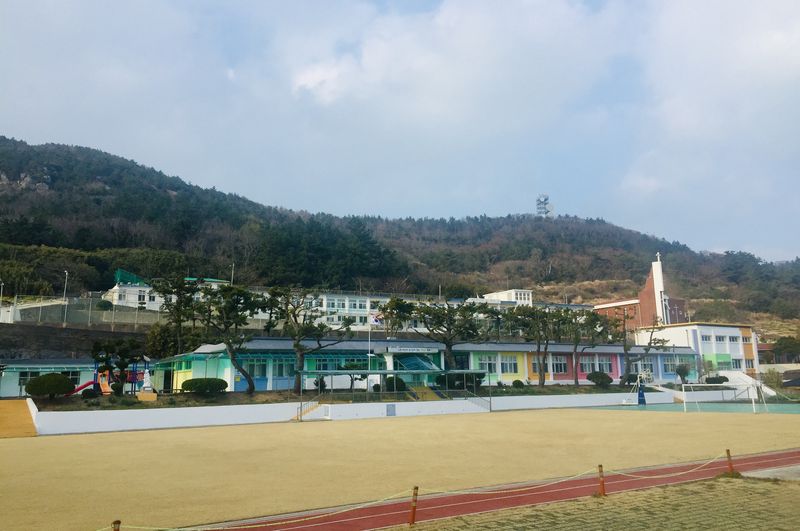
【Financial News Jeju = Reporter Jeong Yong-bok】 Jeju’s elementary student population fell by 1,684 in a year, and a response during a parliamentary audit revealed that 23 of the 31 elementary schools with increased enrollment this year were small schools in rural towns and townships. Even as the school-age population continues to decline, enrollment is growing at some rural schools, drawing attention to the actual impact of education policies such as adjustments to school catchment areas and rural study programs.
According to the Jeju Special Self-Governing Provincial Office of Education on the 21st, as of April 1 this year, Jeju had 34,560 elementary school students, down 1,684 (4.6%) from 36,244 last year. Compared with 41,628 in 2022, the number fell by 7,068 (17.0%) in four years.
The nationwide decline is also pronounced. According to the 2026 Basic Education Statistics, released last August by the Ministry of Education and the Korean Educational Development Institute, the country had 2,219,370 elementary school students, down 126,118 (5.4%) from the previous year. Jeju’s rate of decline is 0.8 percentage points lower than the national rate, but it too remains on a downward trend in student numbers.
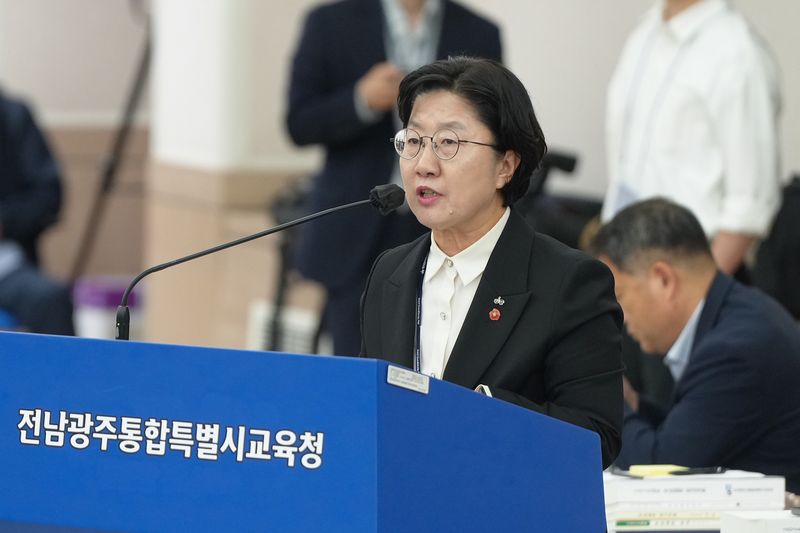
Against this backdrop, Jeju Superintendent of Education Ko Eui-sook disclosed the enrollment figures for schools that saw increases during a parliamentary Education Committee audit held on the 20th at the Jeonnam office of the Jeonnam-Gwangju Integrated Special City Office of Education.
In response to a question from People Power Party lawmaker Jang Dong-hyeok about Jeju’s educational competitiveness, Superintendent Ko said, "Amid the decline in the school-age population, enrollment rose this year at 31 elementary schools in Jeju, 23 of which are small schools in rural towns and townships."
That means roughly three out of every four schools with rising enrollment are small schools in rural areas. The increase at some schools in rural towns and townships stands out against the overall decline in elementary school enrollment.
The Jeju Provincial Office of Education classifies an elementary school as a small school if, as of April 1 each year, it has 100 or fewer students or six or fewer classes. This year, its Educational Balance Development Project is supporting specialized curriculum programs, after-school programs and other initiatives at 59 small schools and eight schools in older urban centers.
A school catchment policy that broadens students’ choice of schools is also in effect. Under the 2026 school-year guidelines of the Jeju City Office of Education, students at schools with 400 or more students as of April 1 of the previous year may transfer to or enroll in schools in older urban centers or small schools, regardless of the catchment area determined by their place of residence.
Students at schools with more than 1,200 students may also transfer to or enroll in schools that meet certain requirements, such as Jeju-style autonomous schools in rural towns and townships or older urban centers. The measure allows students to move from larger schools to relatively smaller ones.
The “Hamkkeon Jeju Rural Study Program,” which brings students from other regions to rural schools in Jeju, is also in operation. It began as a pilot at eight elementary schools in the second semester of last year and expanded to 14 schools in the first semester of this year.
According to materials released by the Jeju Provincial Office of Education last June, 96 households and 159 students took part in the rural study program during the first semester. The program gives students from other cities and provinces the opportunity to study at rural schools in Jeju and experience local life for a set period.
During the parliamentary audit, Superintendent Ko discussed the flexible operation of school catchment areas and rural study programs, saying, "Policies making use of special provisions in education are producing results."
As the school-age population declines nationwide, a key task ahead is to determine whether the increase in enrollment at Jeju’s small schools reflects temporary student movement or is leading to lasting changes in the local educational environment.
[email protected] Jeong Yong-bok Reporter