“Thought it was just a common cold, but leaving it untreated can even lead to sepsis”... Pneumonia alert during the change of seasons [Health Talk]
- Input
- 2026-10-21 09:31:56
- Updated
- 2026-10-21 09:31:56
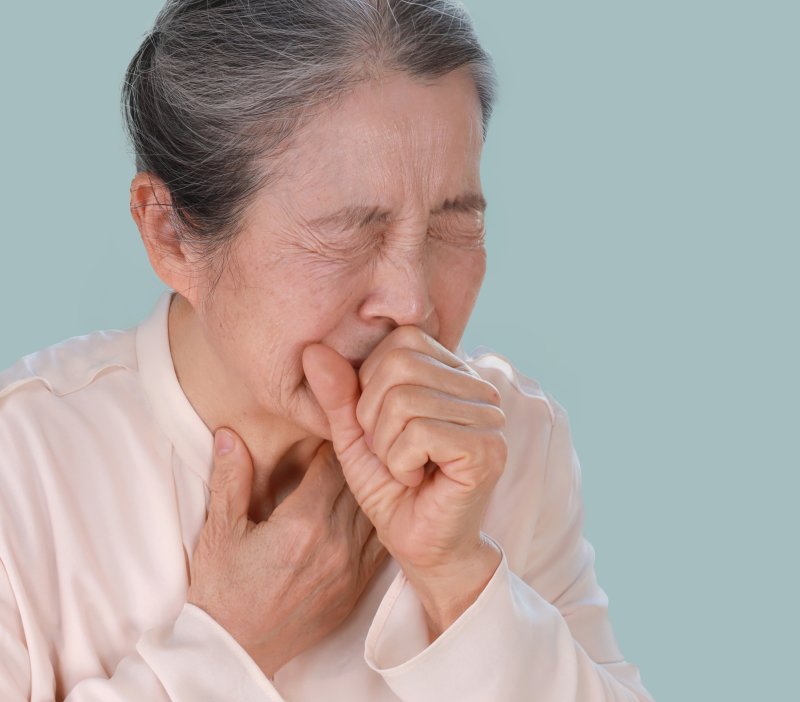
[Financial News] The change of seasons, when mornings and evenings are chilly but midday is warm, is a time when our immune systems are under strain. Colds and the flu thrive during this period, and in quite a few cases they can lead to pneumonia.
At times like these, when daily temperature swings exceed 10 degrees Celsius, people become more vulnerable to bacterial and viral attacks, and the number of patients with respiratory illnesses such as the flu surges. In particular, many cases of pneumonia develop after people mistake it for a common cold and leave it untreated, so extra caution is needed.
Professor Gil Hyeon-il of the Department of Pulmonology at Kangbuk Samsung Hospital stressed, “During seasonal transitions, weakened immunity means viral infections often progress to bacterial pneumonia.” He added, “If pneumonia is not treated promptly and is left untreated, inflammation can spread throughout the lungs and lead to life-threatening complications such as respiratory failure or sepsis, making early diagnosis and treatment especially important.”
Persistent high fever and yellow phlegm... Suspect pneumonia, not a cold
Pneumonia is an inflammatory respiratory disease that affects the alveolar tissue at the ends of the airways in the lungs. The alveoli are air sacs where oxygen and carbon dioxide are exchanged. If inflammation and secretions develop there, normal breathing can become difficult.
Pneumonia is caused by infections from bacteria, viruses, fungi, and other organisms. It commonly develops when people with weakened immunity after a viral illness such as a cold or the flu contract a secondary bacterial infection, including from pneumococcus.
Early symptoms resemble those of a cold, including coughing, phlegm, fever, chills, body aches, and fatigue. But pneumonia should be suspected if a high fever of 38°C or higher persists, phlegm turns yellow, breathing becomes difficult or rapid, or chest pain occurs.
Treatment depends on the cause and the patient’s condition. Viral pneumonia is treated with supportive care to relieve symptoms, or with antiviral drugs when needed. Bacterial pneumonia, or pneumonia accompanied by a secondary bacterial infection, requires antibiotics tailored to the causative bacteria.
People aged 65 and older should get flu and pneumococcal vaccines together
Vaccination is the first priority for prevention. Professor Gil urged people to get vaccinated, saying, “Vaccination is important to prevent pneumonia and serious complications in advance,” and “It is advisable for people aged 65 and older to get vaccinated against pneumococcus along with the flu vaccine.”
He added, “In addition to vaccination, people should practice good hygiene, including washing their hands after going out, wearing masks, ventilating rooms frequently, and drinking enough fluids. Building physical immunity through aerobic exercise and other activities can also help.”
[email protected] Jeong Myeong-jin, medical specialist Reporter