Jeju to spend 15 billion won on pine wilt disease control; remove 85,000 trees, including damaged ones
- Input
- 2026-10-21 09:20:01
- Updated
- 2026-10-21 09:20:01
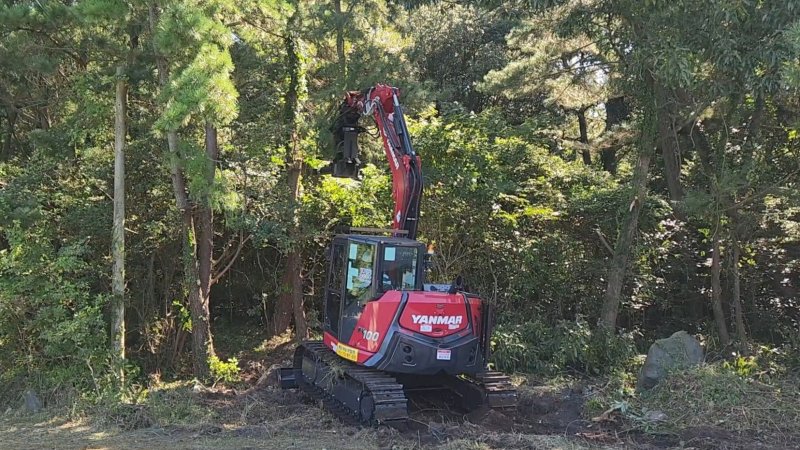
【Financial News, Jeju = Reporter Jung Yong-bok】 Nationwide, around 660,000 pine wilt-killed trees were not removed during the previous control period, according to figures. Jeju Province will invest 15 billion won to remove around 85,000 trees, including pine wilt-killed trees, by next May and work to contain the spread around Hallasan.
According to the Korea Forest Service and Jeju Special Self-Governing Province on the 21st, 1,772,985 trees across the country were killed by pine wilt disease from June last year to May this year, an increase of 19.3% from the previous year. Of these, 1,111,472 trees were removed, putting the control rate at just 62.7%.
Data submitted by the Korea Forest Service to Yoon Joon-byung, a Democratic Party of Korea lawmaker on the National Assembly’s Agriculture, Food, Rural Affairs, Oceans and Fisheries Committee, showed that 661,513 affected trees had not been treated, according to figures received on the 20th. The control rate also fell 26.7 percentage points from 89.4% the previous year.
The Korea Forest Service reported in June that a total of 3.09 million dead trees had been removed. This figure includes 1.98 million trees, such as nearby trees at risk of infection, in addition to 1.11 million pine wilt-killed trees, and should be distinguished from the actual control rate for trees killed by the disease.
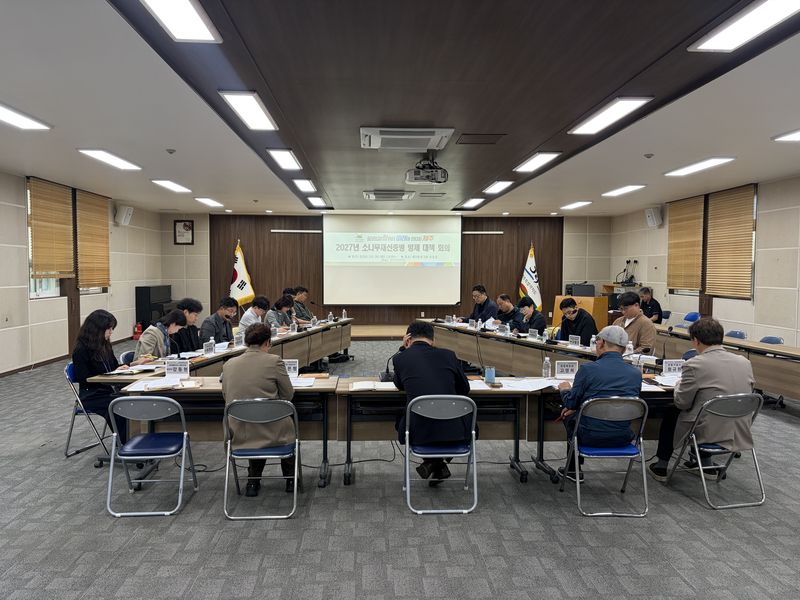
In response to the nationwide spread of the damage, Jeju Province began intensive control work scheduled to run from October this year through May 2027. On the 20th, it held a “2027 Interagency Meeting on Pine Wilt Disease Control” at the provincial government’s Third Office Building, with representatives of relevant agencies and experts in attendance, to discuss regional control strategies and on-site management measures.
The control work will be carried out in zones according to the scale of the damage. Areas with dense pine stands and repeated infections will be designated special management zones for intensive control. In heavily affected areas, the plan is to narrow the control zone inward, starting from the less affected outskirts, to contain the spread.
In less affected areas, dead tree removal will be combined with preventive injections in nearby pine trees. In particular, regular surveillance will be stepped up in the Hallasan National Park area, managed as a national front-line zone serving as a defensive line against the spread of pine wilt disease. Suspected infected trees will be treated immediately if found.
The methods for identifying and managing infected trees will also be improved. Large forest areas will be surveyed by helicopter and key areas examined in detail by drone. After suspected infected trees are checked on the ground, their locations and control histories will be managed using QR codes. Individual records will also be kept for pine trees given preventive injections.
To prevent the human-mediated movement of infected pine trees, guidance for and inspections of businesses handling pine trees will be stepped up in spring and fall. Pine wilt disease is spread by insect vectors such as the solsuyeom haneulso, and can also spread to other areas through the unauthorized movement of infected trees.
Jeju Province plans to operate designated control zones and deploy an on-site accountability inspection team to strengthen the quality of control work and field management. The ultimate goal is to achieve disease-free status for pine wilt disease by 2030.
Lim Hong-cheol, head of Jeju Province’s Environment and Forest Resources Bureau, said, “To stop the spread of pine wilt disease, precise control tailored to local conditions and field-centered accountable control are important.” He added, “We will work closely with relevant agencies to contain the spread of the damage and strive to achieve disease-free status by 2030 and restore Jeju’s healthy forests.”
[email protected] Jung Yong-bok Reporter