International oil prices top $110 a barrel, then pare gains amid Middle East tensions
- Input
- 2026-10-20 23:29:42
- Updated
- 2026-10-20 23:29:42
According to U.S. network CNBC on the 20th (local time), West Texas Intermediate (WTI) futures for November delivery surged to $110.48 a barrel intraday. They later pared their gains and were trading at $105.75, up 2% from the previous session, as of 9:02 a.m. Eastern Time. Unlike the November contract, which expires that day, the December contract was up 1.3% at $99.82.
Brent crude futures for December delivery, a global benchmark, also rose 1% to $110.70 a barrel, reaching their highest level since May. They later pared their gains and were trading around $108.
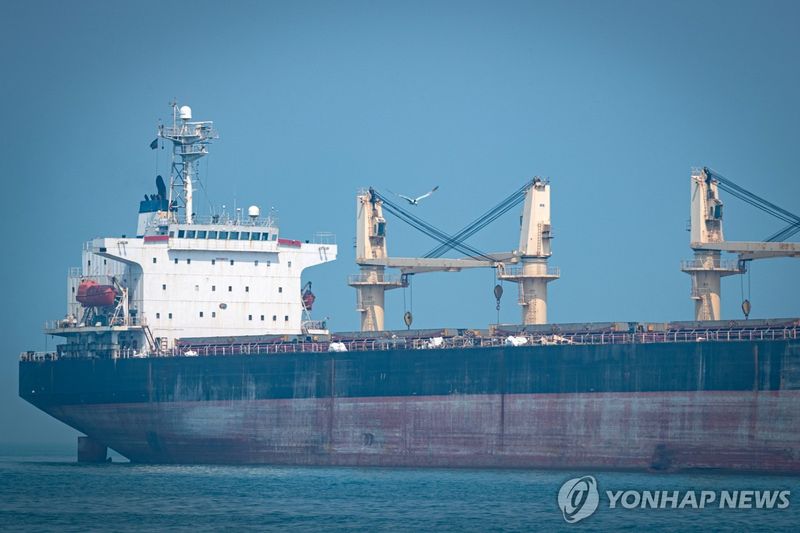
The immediate driver of the rise in international oil prices is military tension around the Strait of Hormuz. According to ship-tracking firm Kpler, at least 18 vessels passing through the Strait of Hormuz have been attacked over the past two weeks.
The Islamic Revolutionary Guard Corps (IRGC) said that two oil tankers that had not followed Iran’s instructions struck mines laid by the IRGC Navy and caught fire that day. Iran’s semi-official Tasnim News Agency reported this.
Iran also reiterated its hard-line stance toward the United States. At a regular press briefing that day, Iranian Foreign Ministry spokesperson Esmail Baghaei warned that if the United States attacked Iran, Iran would “respond at an equal level, and, if necessary, more forcefully.”
Analysts say the recent rise in oil prices reflects an actual shortage of crude oil supplies, going beyond a temporary reaction to geopolitical risks alone.
Tamas Varga, an analyst at energy brokerage PVM Oil Associates, told CNBC that “the strength of the front-month WTI contract ahead of its expiration signals that supply in the global crude oil market is tight.”
[email protected] Correspondent Lee Byung-cheol Reporter