Lee Kun-hee’s ‘bold bet 52 years ago’ laid the foundation for the AI industry [Six years after Lee Kun-hee’s death: The visionary who shaped the future]
- Input
- 2026-10-20 18:31:28
- Updated
- 2026-10-20 18:31:28
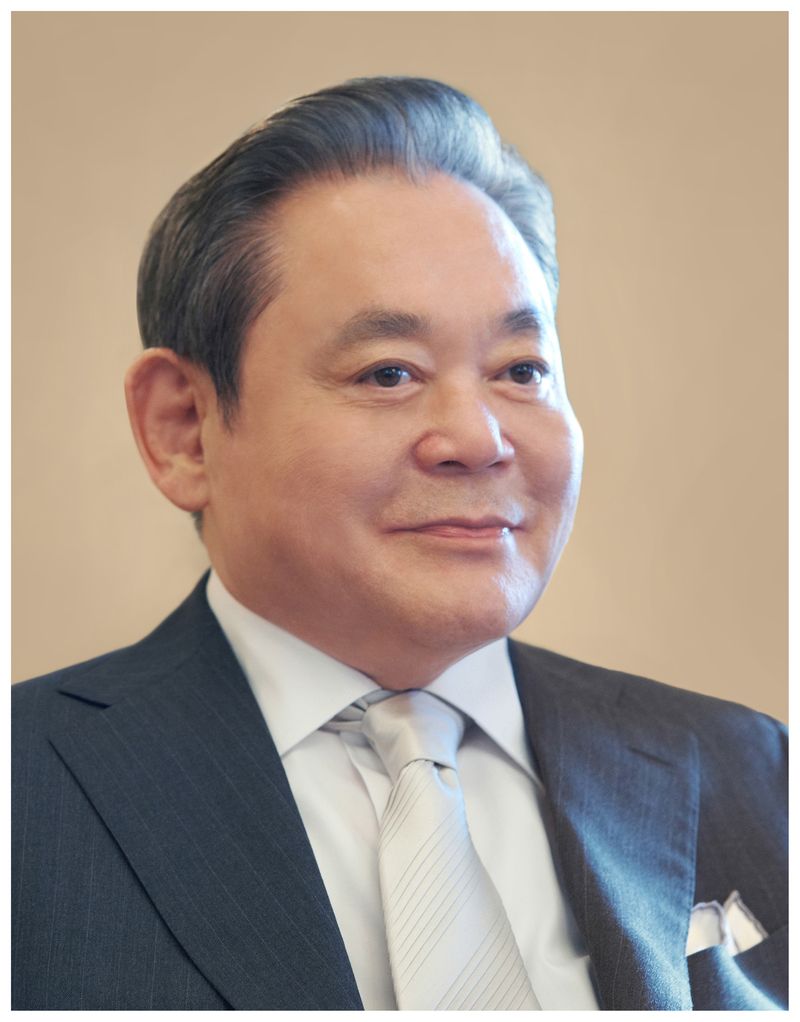
As the AI-driven memory boom boosts Samsung Electronics’ results and South Korea’s semiconductor exports, the foresight and management style of Lee Kun-hee, former Samsung chairman (pictured), are once again drawing attention. With the sixth anniversary of Lee’s death coming up on the 25th, some say that the bold bet he made on semiconductors half a century ago laid the foundation for today’s AI industry. There are also growing calls to consider investment strategies to sustain the semiconductor industry’s commanding technological edge, given that bold investment decisions focused on the future rather than immediate results helped produce today’s achievements.
On the 20th, according to Samsung Electronics, its preliminary consolidated revenue for the third quarter of this year was 195 trillion won, with operating profit of 107.4 trillion won. In the second quarter of this year, Samsung Electronics ranked first in both global market share categories, with 39.4% for DRAM and 29.3% for NAND.
Samsung’s considerable expansion in scale compared with the period when Lee Kun-hee was actively involved in management is seen as the result of the technology and production base built at the time, combined with continued investment and business expansion by later executives and employees.
Lee Kun-hee’s acquisition of Korea Semiconductor in 1974 is considered the starting point of Samsung’s semiconductor business. He invested his personal fortune in a company facing financial difficulties, planting the seeds of Samsung’s semiconductor business. Samsung entered the memory business in earnest in 1983, following founder Lee Byung-chul’s Tokyo Declaration. It successfully developed 64K DRAM that same year, then became the world’s top company in memory semiconductor sales in 1993. Lee Kun-hee’s bold business initiatives, investment in technology and expansion of production capacity are seen as having led to Samsung’s capture of the global market.
Lee Kun-hee believed that investment aimed only at catching up with competitors would not be enough to take the lead, and continued investing in next-generation processes and production facilities even during semiconductor downturns. One prominent example was pushing ahead with a mass-production system for 8-inch wafers when 6-inch wafers were the industry standard. In 2010, Samsung expanded its memory investment plan from 5.5 trillion won to the 9-trillion-won range. This illustrates a management philosophy of increasing investment when market conditions are uncertain to prepare for the next boom.
[email protected] Kim Hak-jae, Park Ji-yeon, Lim Su-bin Reporter