Samsung Biologics union postpones general strike, revises bargaining strategy amid low participation
- Input
- 2026-10-20 16:29:36
- Updated
- 2026-10-20 16:29:36
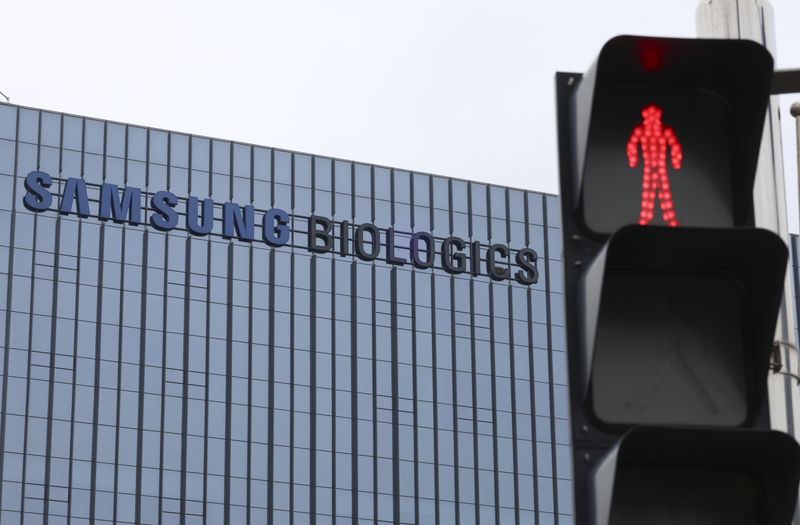
According to industry sources on the 20th, the Samsung Biologics Labor Union has put on hold its second general strike, initially scheduled to run for three weeks starting on the 26th, and will set a new date. The union reportedly decided to change its strategy because it would be difficult to boost participation in the planned all-out strike.
The union requested negotiations with the company on the evening of the 19th. It plans to pursue talks while preparing for labor action, including by announcing on the 22nd that it will convene an extraordinary general meeting to secure a strike fund. A union official said, “We plan to keep talking while also making whatever preparations we can.”
The court’s decision is seen as having influenced the postponement. On the 16th, the Seoul High Court expanded the number of processes in which the union’s labor actions are restricted from three to nine. These include flask culture and bioreactor culture, harvesting, media preparation and supply, chromatography, viral filtration, concentration and buffer exchange, bulk drug substance filling, and buffer preparation and supply.
The court found that halting biopharmaceutical production processes could put raw materials and products at risk of deterioration or spoilage. Accordingly, even during a strike, the union must maintain the usual staffing levels, operating hours, and scale of operations in those processes. Observers say that an all-out strike could be less effective because a substantial portion of production processes are subject to restrictions on labor action.
Member participation also appears to have weighed on the union leadership. As of the previous day, the share of members who had said they intended to join the strike was reportedly below 40%.
The union and management have been unable to narrow their differences over wage increases, improvements to the personnel system, and other issues. After talks with management broke down on March 23, the union staged a partial strike in late April and then held an all-out strike from May 1 to 5. It has since continued a work-to-rule campaign, refusing overtime and holiday work. After failing to reach an agreement in three rounds of subsequent mediation, the union announced a second general strike, but has ultimately had to revise its plans.
[email protected] Jung Sang-hee Reporter