Historical ties between Jeju 4·3 and the Yeosu–Suncheon Incident... Jeju National University conducts field research in Suncheon
- Input
- 2026-10-20 15:32:14
- Updated
- 2026-10-20 15:32:14
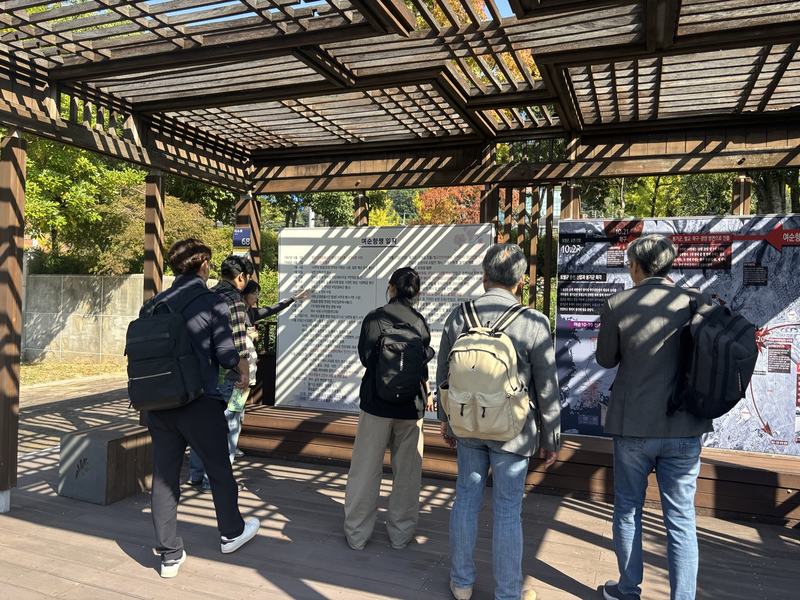
【Financial News, Jeju = Reporter Jeong Yong-bok】 Researchers from Jeju National University conducted a field study of historical sites in Suncheon to examine the historical links between Jeju 4·3 and the Yeosu–Suncheon Incident. The main subjects of the study were the course of the two events, records of civilian casualties, and ways of preserving historical memory.
According to the Tamna Cultural Research Institute at Jeju National University, which reported on the 20th, the researchers surveyed sites related to the Yeosu–Suncheon Incident in Suncheon, South Jeolla Province, on the 17th as part of the Project to Strengthen Research Capacity in Tamna Culture, a National University Promotion Project.
Jeju 4·3 and the Yeosu–Suncheon Incident are historically connected through the 1948 operation to suppress the uprising in Jeju. At the time, some soldiers from the South Korean Army’s 14th Regiment, stationed in Yeosu, refused orders to deploy to Jeju to suppress Jeju 4·3, leading to the Yeosu–Suncheon Incident. Armed clashes then continued in Yeosu, Suncheon and elsewhere, and many civilians were killed during the government’s suppression campaign.
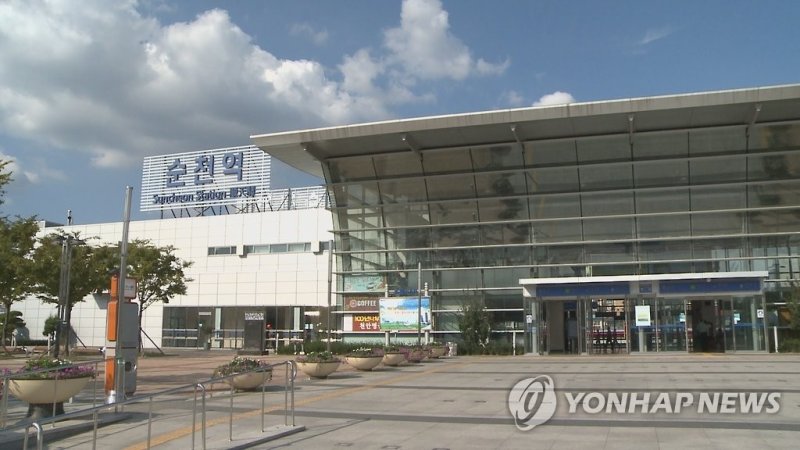
The researchers visited Suncheon Station, the Yeosu–Suncheon 10·19 Peace Park in the Jangdae Park area, and the Yeosu–Suncheon 10·19 Uprising History Museum to examine the course of the incident and major sites where people suffered harm.
At Suncheon Station, they investigated the historical background to the 14th Regiment insurgents’ advance into Suncheon and the armed clashes. They also examined changes in the local community at the time, including the construction of Suncheon Station and the formation of the railway staff housing village.
At the Yeosu–Suncheon 10·19 Peace Park, the researchers examined the history of civilian deaths during the suppression campaign and the background to the creation of memorial facilities, including a memorial tower. The Jangdae Park area was the site of fierce clashes between insurgents and police on October 20, 1948. Suncheon City declared the site the Yeosu–Suncheon 10·19 Peace Park in 2021.
At the Yeosu–Suncheon 10·19 Uprising History Museum, which opened last April in Jangcheon-dong, Suncheon, the researchers reviewed exhibition materials on the background to the incident, the extent of the harm, and the process of establishing the truth. In particular, they examined testimony from bereaved families and local residents, records of incidents by period and location, and related statistics, considering how to document and preserve the harm caused by state violence.
This study builds on the academic collaboration between the Tamna Cultural Research Institute at Jeju National University and the Humanities Research Institute of Sunchon National University. Since 2018, the two institutions have shared research findings by holding joint academic conferences and publishing research volumes on Jeju 4·3 and the Yeosu–Suncheon Incident.
Kim Chi-wan, director of the Tamna Cultural Research Institute at Jeju National University, said, “This field study extended academic exchanges between Jeju and Suncheon to actual historical sites and provided an opportunity to examine the historical experiences of the two regions together. We will continue various cooperative activities, including academic exchanges and field studies, to establish the truth about Jeju 4·3 and the Yeosu–Suncheon Incident and carry their memories forward.”
[email protected] Jeong Yong-bok Reporter