Choo Mi-ae’s “fire service funding straw” remark sparks controversy as parties prepare to compete on budgets and legislation ahead of November’s budget session
- Input
- 2026-10-20 15:54:31
- Updated
- 2026-10-20 15:54:31
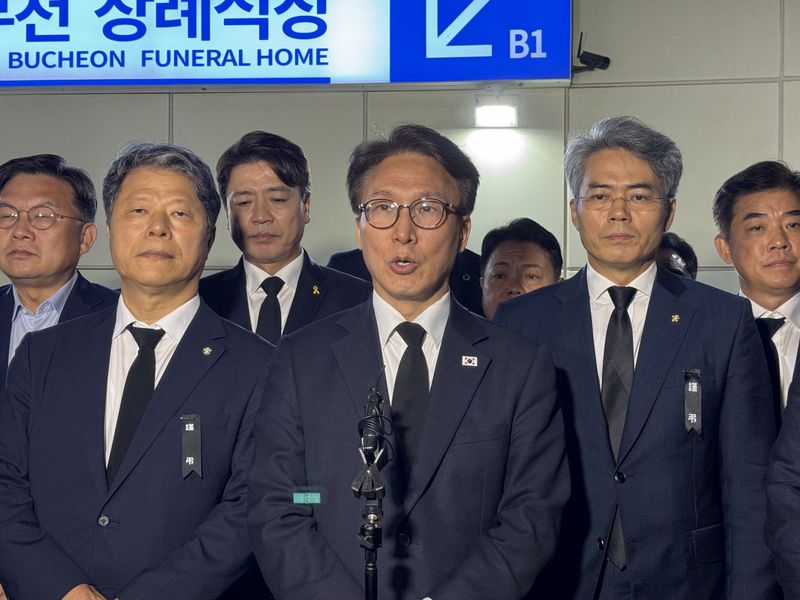
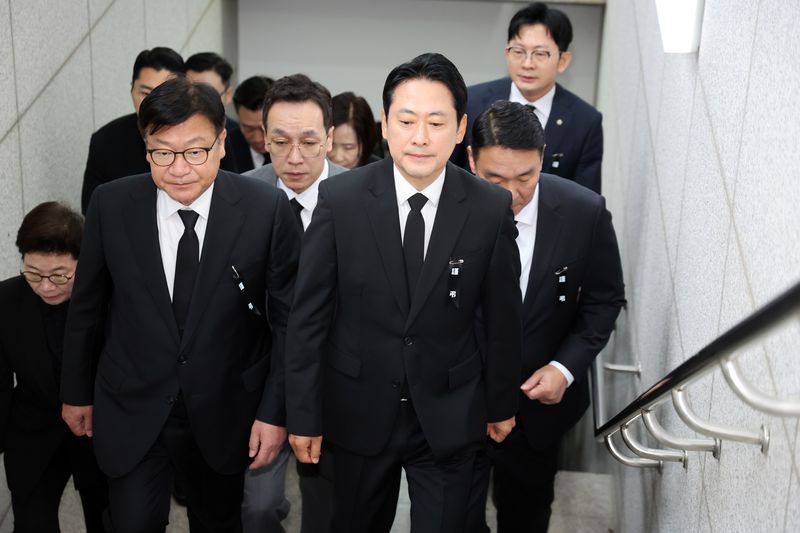
According to political circles on the 20th, the Democratic Party of Korea has moved to reform the system to reduce local governments’ share of fire service funding. The aim is to overhaul a system in which local governments cover about 90% of the fire service budget, even though firefighters have become national civil servants. At a meeting on responses to the parliamentary audit held at the National Assembly that day, the party’s policy committee chair, Kwon Chil-seung, said, “It is the state’s responsibility to ensure working conditions commensurate with firefighters’ dedication and hard work,” adding, “We will do everything we can to secure funding alongside improving systems related to the fire service.” President Lee Jae-myung had also said at a press conference on the 19th that “measures should be drawn up at the national level” to improve firefighters’ working conditions and upgrade their equipment. On the same day, Democratic Party leader Kim Min-seok likewise said, “Creating a safe working environment for firefighters is the state’s boundless responsibility,” and pledged to increase funding for equipment and mental health support. With firefighters’ personnel costs rising from 4.6 trillion won in 2021 to 6.5 trillion won this year, the Democratic Party plans to expand central government funding and overhaul related systems to ease the financial burden concentrated on local governments.
The People Power Party also countered with plans to increase the fire service budget and improve firefighters’ working conditions. At the meeting on responses to the parliamentary audit that day, the party’s floor leader, Jeong Jeom-sik, said, “We will strengthen the fire service budget to honor firefighters’ sacrifice and dedication,” and announced plans to form a “Task Force to Honor Firefighters’ Dedication.” Its three main tasks are to strengthen the central government’s responsibility for the fire service, support firefighters’ safety, and assist the families of firefighters killed in the line of duty. The party’s policy committee chair, Lim I-ja, also said, “During deliberations on next year’s budget, we will draw up measures to expand central government funding for the fire service, improve firefighters’ working conditions, and reform the structure of fire service funding.”
The People Power Party has also pursued related legislation. On the 19th, lawmaker Kim Jae-seop introduced as lead sponsor an amendment to the Fire Service Financial Support Act that would fund from the national government’s general account firefighters’ personnel costs not covered by the Fire Safety Grant and the Local Resource and Facility Tax. The aim is to reform a system in which local governments continue to bear a substantial share of personnel costs even after firefighters became national civil servants.
With both parties calling for greater national responsibility for fire service funding, key issues at November’s budget session are expected to include how much of the rising personnel costs of firefighters the state will cover and whether related bills to expand central government funding will be passed.
[email protected] Song Ji-won Reporter