Hanwha Becomes KAI’s Second-Largest Shareholder, but ... Eximbank Chief Says “No Plans to Sell KAI”
- Input
- 2026-10-20 15:33:42
- Updated
- 2026-10-20 15:33:42
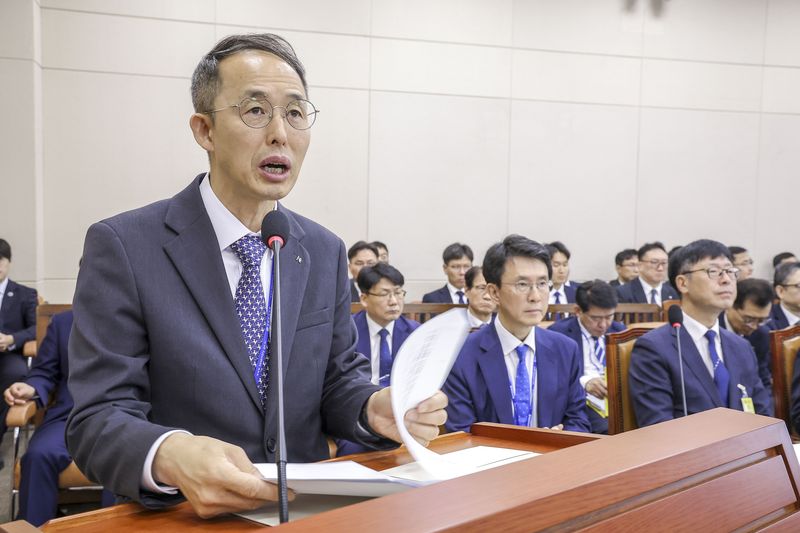
At a parliamentary audit by the National Assembly Finance and Economy Planning Committee on the 20th, Export-Import Bank President Hwang Ki-yeon was asked by Yoon Hoo-deok of the Democratic Party of Korea whether the bank’s recent consulting project on the space and aviation industries had been undertaken with a sale of KAI in mind. He said, “The project was not conducted on the premise of privatization or a sale,” and added, “There are currently no plans to sell KAI.” Hwang added, however, “It is difficult to be categorical about future plans.” Some inside and outside the bank interpret this as a result of President Lee Jae-myung’s order last November to halt all sales of government assets. The measure was intended to prevent controversy over preferential treatment and fire-sale prices in the disposal of government assets.
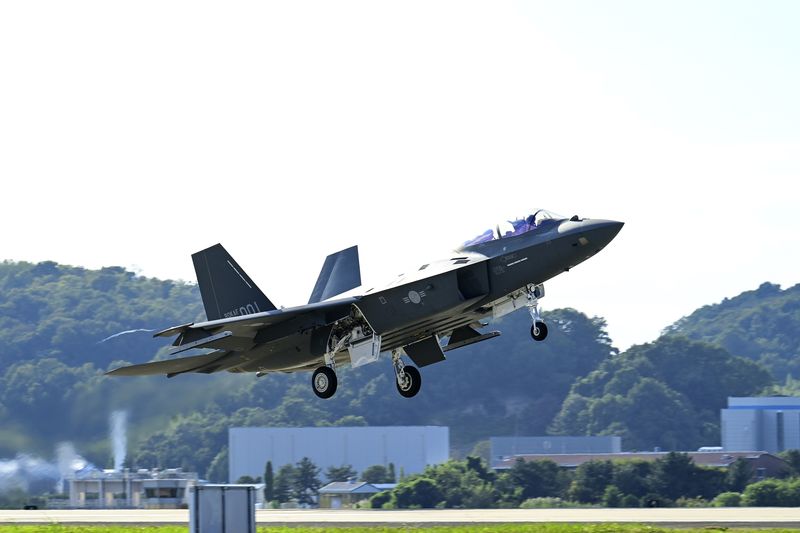
Previous attempts to privatize KAI were made in 2012 and 2016, but both fell through, one after an unsuccessful bidding process and the other amid a decline in KAI’s share price. The sale of KAI shares returned to the fore in the first half of this year, when Hanwha Aerospace and Hanwha Systems aggressively bought shares in the company. As of August, Hanwha Group had overtaken the National Pension Service (8.75%) to become KAI’s second-largest shareholder, with a 15.89% stake. The amount invested is estimated at about 2.2 trillion won. The Export-Import Bank, the largest shareholder, owns 26.41%. The remaining 48.95% is held by foreign investors, including Fidelity (6.63%) and BlackRock (5.02%), as well as the employee stock ownership association (1.01%) and individual investors.
KAI was launched in 1999, with three major conglomerates—Samsung, Daewoo and Hyundai—each contributing an equal 33.3% stake. Around 2006, the Korea Development Bank became a major shareholder during a process to clean up nonperforming loans. KAI shares were later contributed in kind as part of the Export-Import Bank’s capital increase, completing the ownership structure in place today.
Meanwhile, at the parliamentary audit that day, Park Il-young, president of the sovereign wealth fund Korea Investment Corporation (KIC), said in a work briefing, “We will expand the role of the sovereign wealth fund, shifting from a financial investor focused on overseas investment to a ‘strategic investor’ that also invests in key strategic industries at home.” KIC is pursuing an amendment to the Korea Investment Corporation Act to establish a strategic investment account, which would allow it to invest domestically starting next year. Until now, it has only been able to invest overseas.
[email protected] Jo Eun-hyo and Park Moon-soo Reporter