“Fines for illegal dumping”: Tokyo plagued by trash
- Input
- 2026-10-20 14:38:04
- Updated
- 2026-10-20 14:38:04
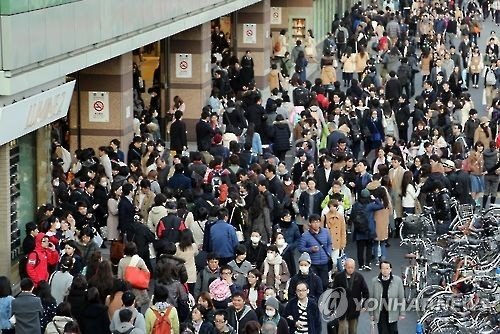
【Financial News, Tokyo = Correspondent Seo Hye-jin】The Tokyo Metropolitan Government is pushing to enact an ordinance imposing fines for illegal dumping. As the garbage problem in busy districts and tourist areas has worsened with the increase in visitors and other factors, the metropolitan government is moving to tighten regulations. It also plans to install more trash bins in public places and curb illegal dumping through enforcement.
According to the Yomiuri Shimbun on the 20th, the Tokyo Metropolitan Government is preparing an ordinance with a view to implementing it in fiscal 2028. Tokyo Governor Yuriko Koike said at the metropolitan assembly last month, “Harmony with local communities is important for sustainable tourism development.” If fines are actually collected, it will be the first such case among Japan’s prefectural-level governments.
Shinjuku Ward collected 164 metric tons of trash from busy districts in fiscal 2025, up 26 tons from fiscal 2019, before COVID-19. Cans, bottles and food containers are mixed together, making disposal labor-intensive. Motoshige Sugiyama, chairman of the Kabukicho shopping district, said, “Once night falls, trash seems to spring up everywhere.”
Okutama Town in western Tokyo has also been grappling with barbecue waste dumped along riverbanks since the COVID-19 pandemic. Kiyofumi Ogushi, head of the Tourism and Industry Division in Okutama Town, lamented, “It is difficult for municipalities alone to deal with this.”
The key is whether enforcement and collection actually take place. According to a Yomiuri survey, 11 prefectural-level governments in Japan have ordinances with penalty provisions, but none has collected fines, in part because of a shortage of dedicated staff.
The Tokyo Metropolitan Government is looking to Shibuya Ward as a model. Since last June, the ward has imposed fines of 2,000 yen (about 16,940 won) for illegal dumping. Using its existing system for enforcing the street-smoking ban, as many as 60 enforcement officers patrol around the clock. From June to September, about 1,500 people became liable for fines, a quarter of them foreign nationals.
Daisuke Suzuki, executive director of the Shibuya Center Shopping Street Promotion Association, said, “Illegal dumping had been a nuisance on the streets,” adding, “The amount of trash is definitely going down.”
Some say the first step should be to increase the places where people can dispose of trash. The most common complaint among those Japan’s tourism agency has surveyed from inbound visitors since fiscal 2019 was “not enough trash bins.”
The 1995 Tokyo subway sarin attack by Aum Shinrikyo is cited as a turning point in the decline of street trash bins. The attack, in which a highly toxic nerve agent was released and caused mass casualties, was followed by anti-terrorism measures and the added burden of waste-disposal costs.
Satoshi Mizutani, a professor at Osaka Metropolitan University, explained, “More people have also started putting household waste, for which collection now incurs a fee, into public trash bins,” adding, “It has become a situation where the more bins are installed, the greater the cost burden.”
Recently, trash bins have been installed again, particularly in tourist areas. Last year, the Kyoto Arashiyama shopping district installed six street trash bins for the first time in eight years. They are smart bins that use solar power to compact trash automatically and allow their remaining capacity to be checked remotely. Shopping district chairman Keisuke Ishikawa said, “The amount of trash has gone down remarkably.”
Chiyoda Ward in Tokyo will also put 22 smart trash bins into operation in Akihabara next month. The Tokyo Metropolitan Government plans to include business operators’ responsibilities in the draft ordinance and expand the installation of trash bins in public places such as stations.
Noriko Okubo, a professor at Osaka University, said, “Alongside a system for collecting fines, there also needs to be social awareness that illegal dumping will not be tolerated,” adding, “It would be effective to involve businesses that generate waste in drafting the ordinance.”
[email protected] Seo Hye-jin Reporter