119 Called Just 4 Minutes After Crash Alert... Renault Broadens the Scope of Safety
- Input
- 2026-10-20 08:49:05
- Updated
- 2026-10-20 08:49:05
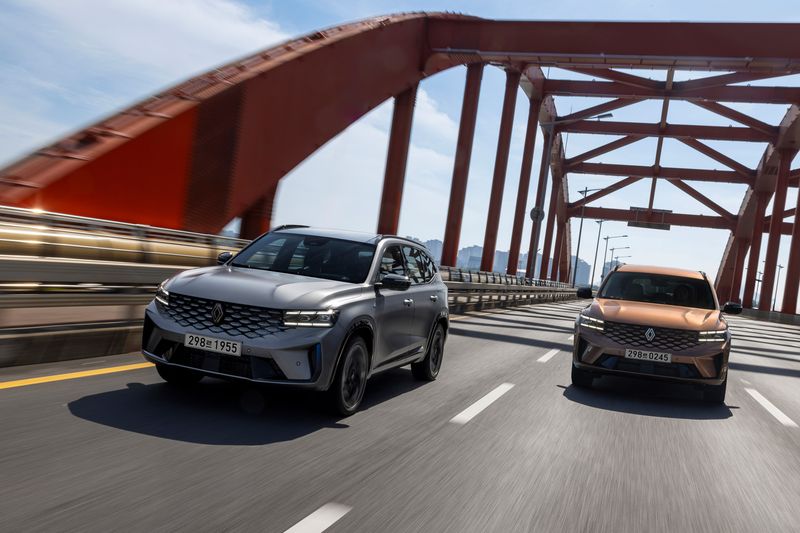
[Financial News] Renault Korea Co., Ltd. is expanding the scope of automotive safety technology beyond crash prevention and occupant protection to include emergency rescue after an accident. In a recent crash in Cheongsong, North Gyeongsang Province, the vehicle’s automatic alert function activated, and a call was made to 119 just four minutes after the vehicle connected to the call center. The safety system, in which the vehicle detects a crash and a call-center agent assesses whether rescue is needed, is drawing attention for its role in supporting a rapid response in emergencies.
On the 20th, Renault Korea Co., Ltd. said that at 12:14 p.m. on the 16th, the airbags in a Grand Koleos involved in a crash in Cheongsong, North Gyeongsang Province, deployed, activating the Automatic Collision Notification (ACN) function. The vehicle automatically connected to Renault Korea Co., Ltd.’s connectivity call center, but the driver did not respond to the agent’s calls.
The agent tried to call the registered contact number as well, but when there was no answer, checked the vehicle’s airbag deployment status and location information. Judging that emergency rescue was needed, the agent called 119 at 12:18 p.m. About four minutes elapsed from the initial automatic connection to the emergency call.
The call center then continued coordinating emergency dispatch and checking on the crash. At 12:39 p.m., a follow-up call with 119 confirmed that the driver had been rescued. The response system had connected the vehicle, the call-center agent and emergency responders even though the impact made it difficult for the driver to call for help directly.
The ACN fitted to the Grand Koleos automatically connects the vehicle to a call center when the airbags deploy. Taking into account the vehicle’s location, whether the airbags deployed and the driver’s response, the agent calls 119 on the driver’s behalf if rescue is needed and also coordinates emergency dispatch services. The system combines the vehicle’s automatic detection technology with human judgment of the situation.
Renault Korea Co., Ltd. says the function reflects the Renault Group’s “Human First” safety philosophy. The aim is to include post-crash rescue in the scope of safety management, going beyond reducing crash risks with advanced driver-assistance systems (ADAS) and minimizing collision damage with airbags and other measures.
Renault is developing related technologies across five areas of road safety: awareness, prevention, correction, protection and rescue. QRescue, which helps rescuers quickly access vehicle information at a crash scene, is another example of its technology. The benchmark for automotive safety competition is expanding to include response capabilities spanning before and after a collision.
[email protected] Kim Dong-ho Reporter