From war and alliances to semiconductors... Asking about South Korea’s survival strategy [New Book]
- Input
- 2026-10-20 07:00:00
- Updated
- 2026-10-20 07:00:00
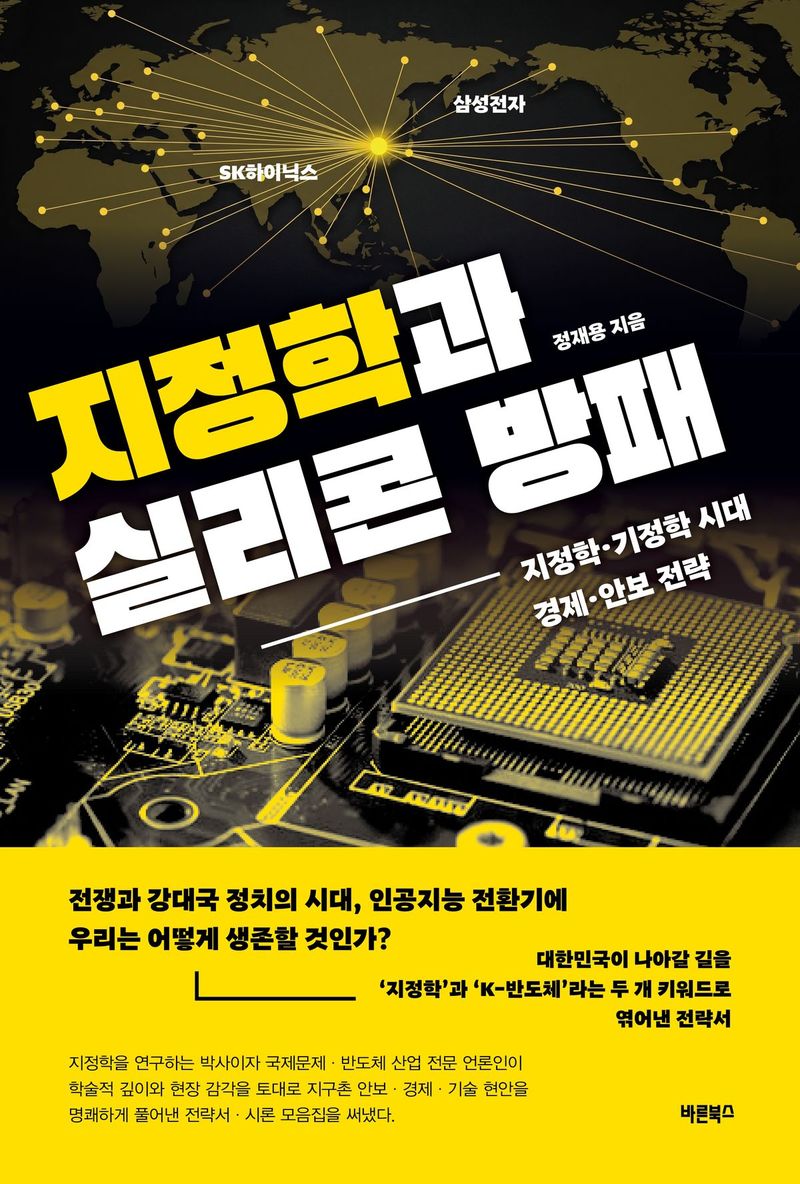
The book, by an author who served as political desk chief at Yonhap News and held other positions and who spent many years covering politics, diplomacy and security and earned a doctorate on the South Korea-U.S. alliance, is part of this same trend. He calls Samsung Electronics and SK hynix the “silicon shield” protecting South Korea.
South Korea is expected to post a trade surplus of $100 billion with the United States alone this year, much of which was earned by the two companies. In September this year, South Korea’s semiconductor exports also reached $60.3 billion, exceeding $60 billion for the first time. The term “silicon shield” is more than mere rhetoric in a book title.
What is interesting is that the book does not wield the shield only against external enemies. The author describes Samsung Electronics’ performance bonuses and strikes as “cracks in the silicon shield,” and the distribution of semiconductor profits as “the distribution trap.”
In the debate over the Honam cluster, he argues that “economic logic, not politics” should take precedence, with consideration given to power, water and talent.
This book differs from other books about semiconductors or economic security. It is closer to a bold exploratory essay by a journalist with more than 30 years of experience, seeking to bring war, alliances, China, North Korea and technology together under a single national strategy.
The author says, “Let’s make the silicon shield, which is essential to our survival, even stronger.” But questions remain about how far we should go and how much we should concede for semiconductors, South Korea’s shield.
[email protected] Jang In-seo Reporter