[Feature] Bringing stories to alleys people once passed by without a thought: How Kakao Corp. transformed Gongju’s commercial district
- Input
- 2026-10-20 09:00:00
- Updated
- 2026-10-20 09:00:00
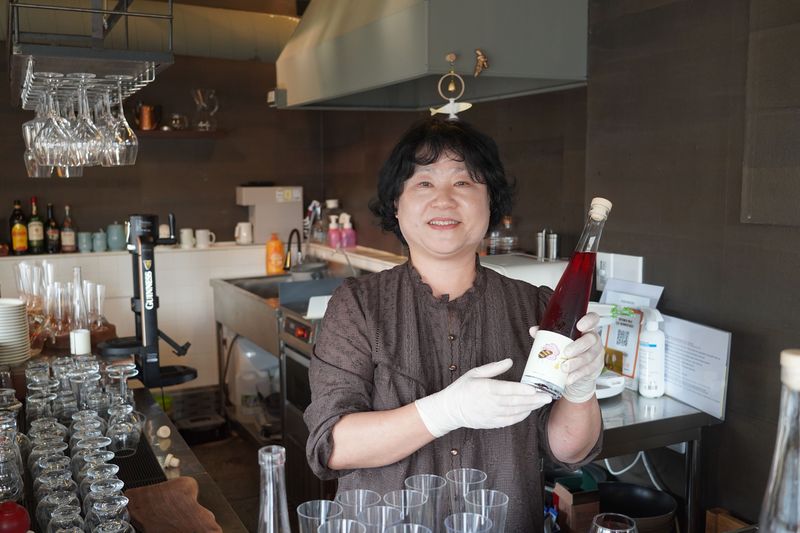
Kakao Corp.’s Gotgot project, launched to revitalize local commercial districts, promotes distinctive shops and alleys in communities across the country. The idea is to share the stories and values built up over time at each shop, encourage visitors to spend more time in the area, and ultimately boost consumption. Lee said, “I joined Gotgot to introduce more people to Gongju and to the appeal of the mead I brew myself,” adding, “Working with Kakao Corp. has brought noticeable vitality to what had been a quiet city.”
On a local docent tour of the old downtown around Gongju’s Jemincheon Stream, guided by docent Park So-eun, the distinctive shops—with their own tastes and expertise—caught my eye more than the flashy tourist facilities. The tour, which lasted around an hour and a half, began at Hoseo Theater, once a movie theater and a “meeting place” in Gongju, and continued to the hanok bookstore Oraedoen Jilmun, the bar Stranger Than Paradise, and the native-grain café Gokmuljip. At each stop, Park smoothly shared the stories behind the space and the history of Gongju’s old downtown.
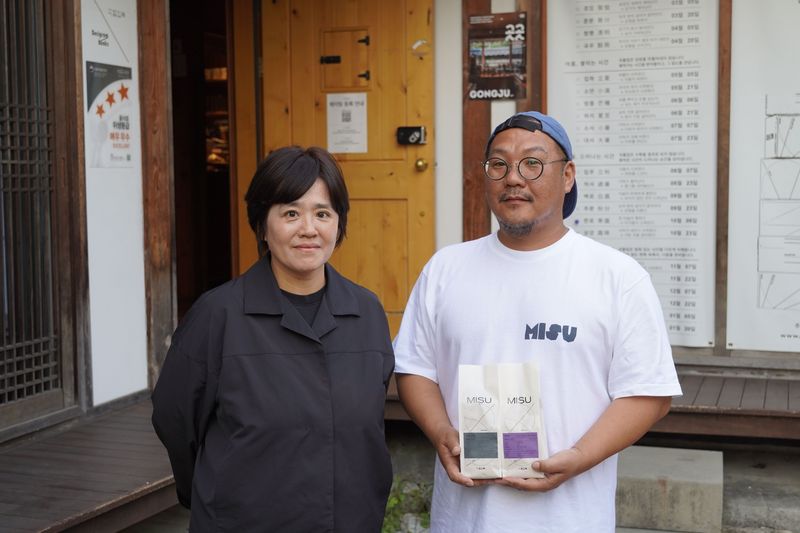
Gokmuljip works with around 20 farmers who steadfastly preserve native grains in an agricultural environment that prioritizes production volume and efficiency. Brand director Cheon Jae-bak decided that the Gotgot project’s focus—introducing the unique stories of each community and the values of its shops in depth, rather than simply listing famous businesses—aligned with the café’s own direction. Cheon said, “Taking part in an offline event led us to join Kakao Makers, which greatly helped us expand our online visibility—something that’s difficult for us to manage on our own.” Cheon added, “We’ve also seen residents from other parts of Gongju, who don’t usually visit the old downtown, come to our shop.”
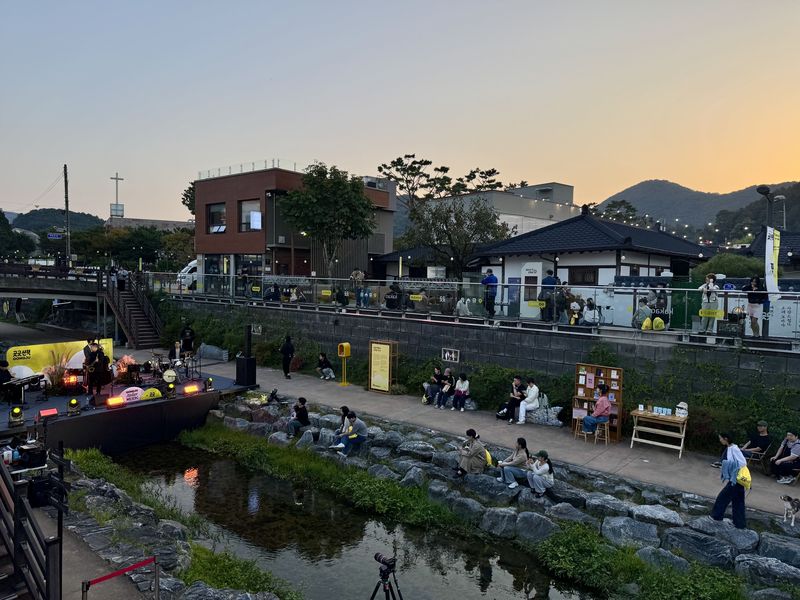
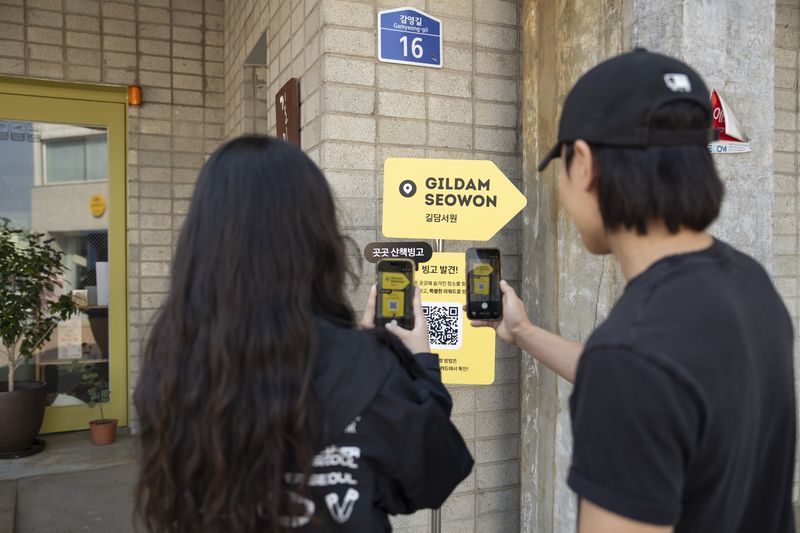
In June this year, Kakao Corp. launched the Gotgot project, built around a magazine introducing local shops and an in-person program called Gotgot Walk. The idea is to connect reading about shops and communities in the magazine with experiencing those places by walking through their actual alleys. The company also created a range of programs for visitors, including Walking Bingo, where participants scan QR codes at designated locations to collect digital cards; Open Atelier, which opens local creators’ studios as small exhibition spaces; Sipsiilban Market, a community market jointly created by local brands and creators; and Atelier Playlist, featuring jazz and indie pop performances.
Kakao Corp. chose Gongju as Gotgot’s first official showcase because it is a community where long-established shops and newly opened businesses coexist. Gongju also has a track record of ongoing collaboration between local merchants and Kakao Corp., along with a foundation for cooperation with local government.
Kim Eun-hwa, Kakao Corp.’s local impact lead, said, “Gongju is more than just a place that’s popular on social media (SNS); it holds its own distinctive values and stories.” She added, “We wanted to create opportunities for customers to spend more time and money in the commercial district and to learn about the valuable stories and history held by small-business owners.”
Kakao Corp. plans to use Gotgot to build a structure in which local governments, merchants and local creators work together to promote and run commercial districts. Designs and brand intellectual property (IP) used for events, as well as some fixtures, will be provided free of charge so they can continue to be used locally. Merchants who could not take part in the events will also be given opportunities to join through other programs in the future.
Kim said, “Our goal is to create a self-sustaining model that enables communities to run their commercial districts on their own, even after Kakao Corp.’s direct support ends.”
[email protected] Jang Min-gwon Reporter