Residents’ Self-Governing Councils to Be Codified in Law: Jeju Prepares for Transition Based on Pilot Program Results
- Input
- 2026-10-19 16:44:15
- Updated
- 2026-10-19 16:44:15
【The Financial News, Jeju = Reporter Jeong Yong-bok】 The legal basis for establishing and operating residents’ self-governing councils in eup, myeon and dong districts has been moved from a special act to the Local Autonomy Act. With the law now specifying the political neutrality obligations of the councils and their members, as well as the basis for administrative and financial support from the national and local governments, Jeju is discussing a transition to the system based on the results of its existing pilot programs.
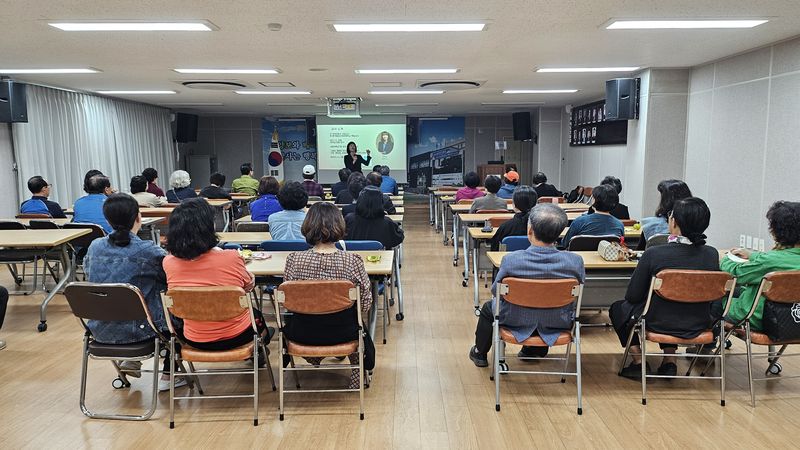
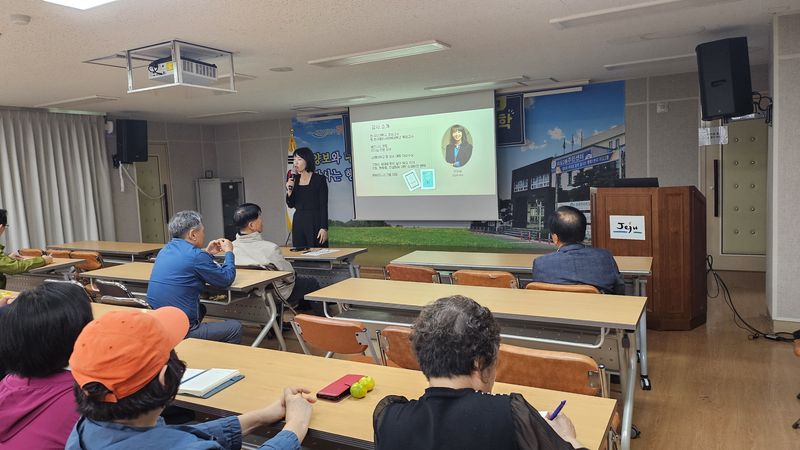
According to Jeju Special Self-Governing Province on the 19th, the city will hold the “Jeju City Regional Residents’ Autonomy Academy and Results-Sharing Session” at 2 p.m. on the 21st in the meeting room of Annex 1 at Jeju City Hall, following the amended Local Autonomy Act’s entry into force on the 15th. Around 150 people, including members of residents’ self-governing committees from Jeju City’s 26 eup, myeon and dong districts, are expected to attend.
The Local Autonomy Act, amended on April 14, moved provisions on residents’ self-governing councils from the existing Special Act on Decentralization and Balanced Development of Local Regions to Article 17-2 of the Local Autonomy Act. The change directly incorporates into the basic law governing local autonomy a system previously based on the special act that had provided the grounds for pilot programs.
The amended law allows residents’ self-governing councils composed of residents of the relevant area to be established in eup, myeon and dong districts. Local governments may entrust some administrative affairs to the councils in accordance with laws, regulations and ordinances, while the national and local governments may provide the administrative and financial support needed to operate them.
Provisions on political neutrality have also been codified. Residents’ self-governing councils must not engage in political activities supporting or opposing any particular political party or person. Members must likewise maintain political neutrality in carrying out their duties, and local government heads may not interfere in the councils’ work for political purposes or personal gain.
However, the legal amendment does not make it mandatory to establish residents’ self-governing councils in every eup, myeon and dong, nor does it automatically guarantee financial support. Specific matters, including member composition, operating methods and delegated duties, are to be set out in local government ordinances.
Since January 2025, Jeju Province has been implementing an ordinance on the pilot operation, establishment and operation of residents’ self-governing councils. In some areas, existing residents’ self-governing committees have been converted into councils, which have pursued residents’ assemblies and the development of self-governance plans.
A residents’ self-governing council is a forum for public participation where residents discuss local issues and set priorities for necessary projects. Compared with the existing residents’ self-governing committees, the councils place greater emphasis on resident participation through residents’ assemblies and self-governance plans.
At the academy, Yun Won-su, head of the Citizen Happiness Research Office at the Jeju Research Institute, will explain the main provisions of the amended law and the direction of Jeju-style resident autonomy under the theme “Changes and Responses Following the Legal Codification of Residents’ Self-Governing Councils.”
The presenters will also include Kang Cheol-ho, chair of the Ido 2-dong Residents’ Self-Governing Council in Jeju City; Kim Seon-min, secretary-general in Hwabuk-dong; Oh Yeong-hun, secretary-general in Hyodon-dong, Seogwipo City; and Park Hyang-ran, vice chair in Donghong-dong. They will share their pilot program experiences and the results of their activities.
Participants are expected to discuss the role of residents’ self-governing councils in expanding public participation and resolving local issues, and to offer on-the-ground views needed for the transition to the new system.
Earlier, on September 21, Jeju Province held an academy in the Seogwipo City area attended by around 200 residents’ self-governing committee members. The province plans to develop operating models for residents’ self-governing councils suited to local conditions, drawing on the training and case-sharing sessions in the two administrative cities.
Jeju Province Special Self-Governing Administration Bureau Director-General Byeon Yeong-geun said, “The understanding and participation of residents’ self-governing committee members who lead activities on the ground are important as we prepare for the transition to the resident autonomy system,” adding, “I hope we can chart the direction of Jeju-style resident autonomy together at this academy.”
[email protected] Jeong Yong-bok Reporter