Mykola Kuleba: Until Abducted Ukrainian Children Return Home [Hong Chae-wan's Global Profile]
- Input
- 2026-10-24 05:00:00
- Updated
- 2026-10-24 05:00:00
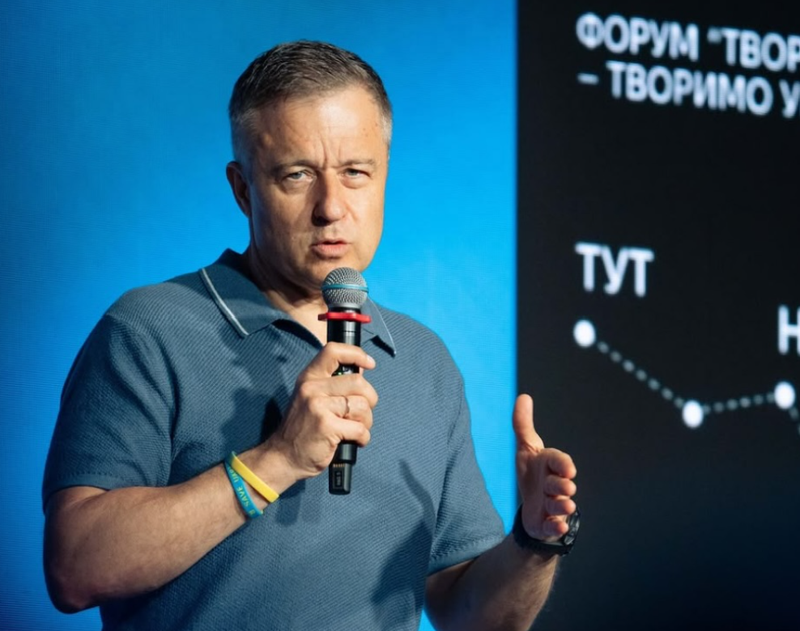
Kuleba came into focus this year as a possible Nobel Peace Prize laureate for this work. The director of the Peace Research Institute Oslo (PRIO) included Kuleba in a list of people and organizations eligible for the prize, announced last September. The aim was to highlight child protection during wartime as an important issue for peace and security. Although separate from the Nobel Committee's deliberations, the list helped draw international attention to Kuleba's work helping children return home.
A young entrepreneur stops in their tracks at the sight of children living on the streets
Kuleba's life changed course in the 1990s. At the time, Kuleba was an entrepreneur. Leaving the office late at night, Kuleba often encountered children living on the streets. Kuleba spoke to them and sometimes bought them food, learning about the circumstances they faced.In a 2023 interview with the Ukrainian broadcaster Dim, Kuleba recalled that questions had piled up at the time about why children had to live on the streets and why no one was looking after them. The helplessness of wanting to help but not knowing how sometimes brought Kuleba to tears. Becoming a human rights activist had not been part of the plan from the start, Kuleba said. The first impulse was simply to help the children, take them off the streets and feed them.
Kuleba founded a support organization in 2001. It later helped children return to their original families or grow up in foster families. The organization also provided education and support to families taking in children. Its work expanded beyond providing an immediate place to sleep and food to creating an environment where children could grow up safely and securely.
Experience in the field led Kuleba into public service. From 2006 to 2014, Kuleba headed the department responsible for children in Kyiv City, and from 2014 to 2021 served as the Presidential Commissioner for Children's Rights. Kuleba took part in efforts to prevent child trafficking and support victims, as well as to reform a child-protection system centered on large institutions.
From the streets to the war zone: the search for children
Russia's annexation of Crimea and the conflict in eastern Ukraine in 2014 marked a turning point in Kuleba's work as well. Kuleba founded Save Ukraine and helped evacuate children and families affected by the war. Kuleba also traveled with friends by car and bus directly to combat zones.One of the early relief sites Kuleba remembers is Debaltseve in eastern Ukraine. According to a 2024 interview, a few days before the city was occupied, Kuleba's group parked a vehicle loaded with bread in a square. Residents who had been hiding in basements came out, grabbed bread, and ran back inside.
At the time, Kuleba went down into basements and urged families with young children to evacuate. But even mothers holding babies hesitated to leave, afraid they might die during the evacuation. Rescuing children required not only arranging vehicles but also persuading families gripped by fear.
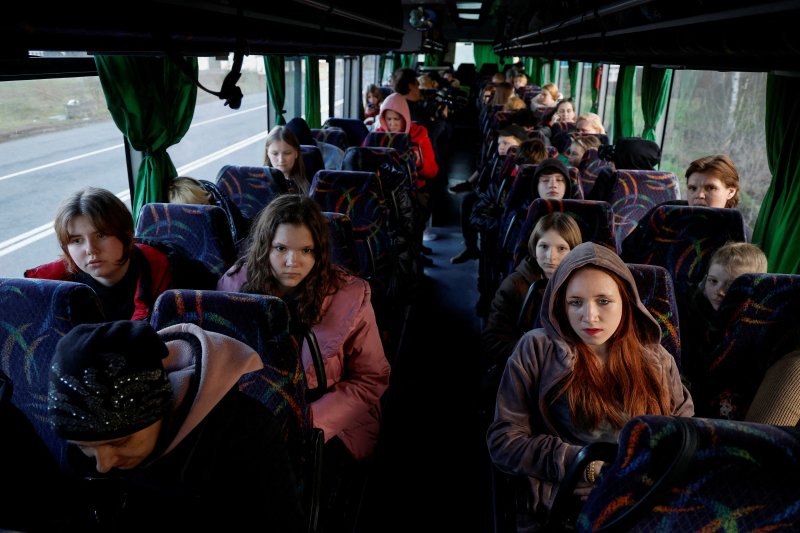
After Russia's 2022 invasion of Ukraine, helping children who had been transferred to Russia or were in occupied territories return home became a key priority. Their whereabouts and identities had to be confirmed, guardians' documents prepared, and individual rescue plans drawn up. In some cases, rescuers had to travel through several countries to bring children back from across the border.
The rescue continues even after children return home
According to cumulative figures released by Save Ukraine, 1,843 children had been rescued from Russia and occupied territories as of the 20th. Those brought home included not only children separated from their families and transferred to Russia, but also children in occupied territories who were under pressure to undergo Russian-style ideological instruction and military training.In one of the rescue cases publicized by the organization, 16-year-old Ilya was in a school where soldiers taught weapon assembly and how to operate combat drones. Eight-year-old Dina was threatened with being sent to an orphanage if Dina did not attend a Russian-style school. The organization said it was providing both children with psychological support and help with documents after their return.
Reaching safety does not make children's trauma disappear. Save Ukraine provided returned children and their families with housing, psychological counseling, medical and legal services, and learning support. The organization also considered reuniting with family, adjusting to school, and returning to everyday life part of its rescue work.
When Kuleba first met children living on the streets, the question on Kuleba's mind was why they had no home to return to. The war extended that question beyond the country's borders. The returns Kuleba helps arrange go beyond the moment a child sets foot on Ukrainian soil; they lead to a daily life in which children can once again grow up in the care of their families.
[email protected] Hong Chae-wan Reporter