Daejeon City Raises 'Ontong Daejeon' Top-Up Limit to 700,000 Won and Cashback to 13%
- Input
- 2026-10-19 16:07:22
- Updated
- 2026-10-19 16:07:22
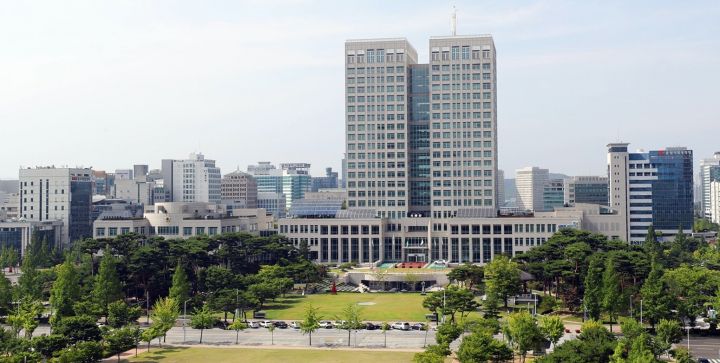
Daejeon Mayor Heo Tae-jeong, speaking at a staff meeting on the 19th, cited the difficulties facing the local economy, including rising prices and sluggish consumption, and called for officials to “devise practical measures using Ontong Daejeon to ease residents’ financial burdens and breathe life into the struggling local commercial districts.” After restarting Ontong Daejeon 2.0 last month and rekindling hopes of a recovery in local consumption, the city is now pursuing this expansion of benefits.
Retail sales down 5.1%; prices up 2.9%
Although some economic indicators, including exports and facility investment, have improved recently, the recovery residents feel remains slow. Retail sales in Daejeon fell 5.1% in the second quarter of this year compared with the same period a year earlier, while consumer prices rose 2.9% in September, continuing to burden consumers.
With the benefits of the economic recovery yet to spread sufficiently to households and neighborhood commercial districts, residents are struggling with the cost of living, while small business owners are grappling with weak sales.
According to Bank of Korea data, Daejeon’s business closure rate among the self-employed was 10.39% in 2024, above the national average of 9.5%. Businesses near tram construction zones also face growing concerns about a downturn, as traffic disruptions and reduced accessibility could lead to fewer customers.
November–December top-up limit: 700,000 won; cashback: 13%
In September, Daejeon City secured a total of 34.8 billion won in additional funding, including 13.2 billion won from the national government and 21.6 billion won from the city, laying the financial groundwork for expanding the benefits. First, from the 20th through the 31st of this month, the monthly top-up limit will rise from 300,000 won to 500,000 won, while the basic cashback rate will remain at 10%. In November and December, the monthly top-up limit will increase to 700,000 won and the cashback rate for general users will rise to 13%. The additional three-percentage-point cashback for welfare beneficiaries and others will also continue.
Daejeon City expects the expansion to provide residents with greater relief from the burden of consumption, while giving small businesses in traditional markets and neighborhood commercial districts an opportunity to attract customers and recover sales. The city plans to use the funds it has secured efficiently and closely monitor budget execution to ensure the benefits continue steadily.
The greater the cashback benefits, the faster the budget is spent, making fund management crucial to maximizing the policy’s effectiveness. Raising the top-up limit and cashback rate at the same time could concentrate usage over a short period and deplete the budget early, potentially prompting complaints from residents who miss out on the benefits and controversy over fairness. In addition, because local currency programs rely heavily on national funding, the level of support may vary with the central government’s budget priorities. Local governments therefore also need to consider how to secure funding from next year onward.
Mayor Heo: “Economic recovery must reach people’s everyday lives”
Mayor Heo stressed, “Although some economic indicators, such as exports, are improving, residents are still struggling with the cost of prices and living expenses, while small business owners are facing difficulties due to sluggish consumption and declining sales. If the benefits of economic recovery do not reach residents’ everyday lives and neighborhood commercial districts, it cannot be called a genuine recovery of the people’s livelihoods.”
He continued, “Now is the time for an active response to ease the burden of consumption on residents and bring tangible vitality to struggling local commercial districts,” adding, “We will use the additional national and city funding we have secured to expand Ontong Daejeon’s benefits, deliver real savings on living expenses for residents and opportunities to recover sales for small business owners, and breathe new life into the local economy.”
[email protected] Kim Won-jun Reporter