[Exclusive] Samsung’s semiconductor division forms an elite squad for cutting-edge tech, seeks a commanding lead with ‘Core Teams’
- Input
- 2026-10-21 10:47:54
- Updated
- 2026-10-21 10:47:54
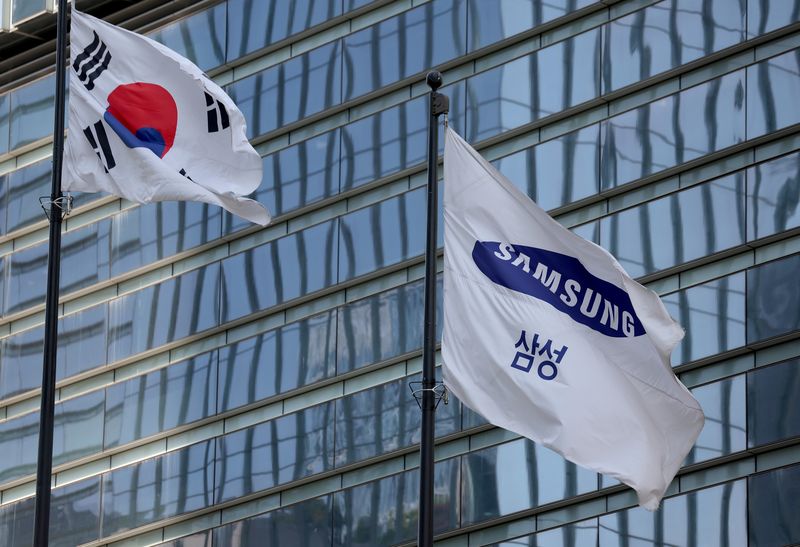
[Financial News] Samsung Electronics Co., Ltd. has launched an elite organization, the “Core Team,” within its Semiconductor Research Center to lead the development of cutting-edge technologies, in a bid to secure an overwhelming technological edge in semiconductors. The approach focuses resources on developing key technologies, including next-generation DRAM, NAND flash (NAND) and leading-edge foundry (contract chip manufacturing), while strengthening collaboration across organizations. The reorganization is also understood to be intended to ease the decline in morale caused by disparities in performance bonuses across organizations, by reflecting the achievements of non-memory researchers working on key projects in their compensation.
According to semiconductor industry sources on the 21st, the semiconductor business (Device Solutions Division, or DS) of Samsung Electronics Co., Ltd. recently established “Core Teams” within the Semiconductor Research Center around major R&D projects and began full-scale operations. The teams select key personnel from major technology fields, including DRAM, NAND and leading-edge foundry processes, to conduct joint R&D. Teams organized around project names associated with customers and key R&D projects are currently in operation, it is understood.
The Semiconductor Research Center, which reports to the chief technology officer (CTO) of the Device Solutions Division, is responsible for early development of next-generation semiconductor technologies and processes. The Core Teams are expected to bring together relevant personnel around key development projects for each product, focusing on improving the quality and pace of technology development through collaboration across organizations. The move is intended to pool development capabilities across fields within the center, strengthen collaboration from the early R&D stage and boost synergies in technology development that will continue through to mass production.
Samsung Electronics Co., Ltd. has previously operated an “One Team” system to conduct R&D on leading-edge processes within its research center and strengthen the competitiveness of its semiconductor business. The system selects personnel from memory, foundry and shared organizations for joint development of major products, including high-bandwidth memory (HBM), next-generation DRAM and leading-edge foundry processes. The formation of Core Teams through this reorganization is seen as an effort to take the existing One Team system a step further and improve execution on key technology development projects. “Since the One Team system was introduced, tangible results have emerged in leading-edge processes, where Samsung had been seen as lagging behind competitors such as SK hynix,” an industry source said. “The aim is to turn organizations that have operated more like task forces (TFs) into permanent teams, pool R&D capabilities and maximize synergies across organizations.”
As semiconductor processes become finer and product structures more complex, the technical challenges involved in R&D are growing. Securing yields during the transition to finer processes is considered a key challenge for next-generation DRAM, while NAND manufacturing is becoming more complex as the number of stacked layers increases. In foundry, too, the ability to implement technologies reliably increasingly determines competitiveness as processes advance to cutting-edge nodes such as 2 nanometers (1 nm = one-billionth of a meter) and 1.4 nanometers. As a result, it is becoming increasingly important to pool R&D capabilities across fields such as processes, design and materials, as well as to build on the technical expertise of individual organizations.
The reorganization is also understood to reflect an effort to strengthen the motivation of researchers involved in developing key technologies. Questions had been raised at the Semiconductor Research Center about differing standards for performance bonuses depending on an employee’s organization, even when employees worked on the same development project. “I understand that some Core Teams receive performance bonuses on a par with those in the Memory Business Division if they meet their R&D project targets,” an internal source said. “The aim is to reflect key researchers’ contributions in their compensation, strengthen collaboration across organizations and boost the morale of development staff.”
[email protected] Lim Soo-bin, Kim Jun-seok Reporter