Nationwide property transaction turnover hits a 20-month low, but Seoul holds up as non-Gangnam areas underpin the market
- Input
- 2026-10-20 06:00:00
- Updated
- 2026-10-20 06:00:00
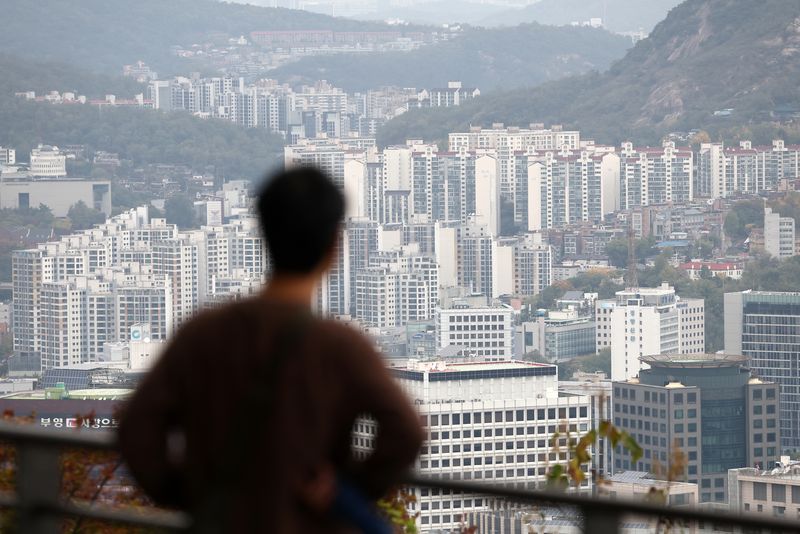
[Financial News] As the slowdown in transactions in the nationwide real estate market deepens, Seoul has continued to post a relatively high transaction turnover rate. After reaching its yearly high in August, Seoul’s rate remained above the national average in September. Active transactions in non-Gangnam areas such as Seongbuk, Gwangjin and Dongdaemun are seen as having supported Seoul’s overall transaction volume.
According to the Court Registry Information Plaza on the 19th, the transaction turnover rate for collective buildings nationwide (officetels, apartments, row houses and multi-family houses) stood at 0.37% in September. That was 0.01 percentage points below the previous month’s 0.38%, the lowest level in 20 months, since it stood at 0.34% in January last year.
The transaction turnover rate is an indicator calculated by dividing the volume of real estate traded over a given period by the total stock. The lower the rate, the smaller the share of the total stock that has actually been traded.
Seoul’s transaction turnover rate fell from 0.42% in January this year to 0.36% in February, then stood at 0.39% in March, 0.40% in April, 0.39% in both May and June, and 0.40% in July. It then climbed to 0.46% in August, its yearly high, and remained above the national average in September at 0.41%.
Seoul’s transaction turnover rate rose mainly in areas outside Gangnam. Seongbuk District saw a particularly sharp increase, rising 0.12 percentage points from 0.45% to 0.57%.
Gwangjin District also rose from 0.37% to 0.47%, while Dongdaemun District increased from 0.34% to 0.39%, Jungnang District from 0.40% to 0.43%, and Guro District from 0.32% to 0.34%. Nowon and Dobong districts remained at the previous month’s levels, at 0.42% and 0.37%, respectively.
By contrast, major areas including Gangnam and the Han River Belt posted rates below the average. Gangnam District’s transaction turnover rate fell from 0.28% in August to 0.25% in September, while Songpa District’s dropped from 0.41% to 0.30%.
Mapo District’s rate fell from 0.35% to 0.28%, and Seongdong District’s from 0.27% to 0.23%. Dongjak and Gwanak districts also declined, from 0.50% to 0.38% and from 0.49% to 0.38%, respectively. Gangdong District’s rate fell from 2.01% in August to 1.42% in September, but remained high among Seoul’s districts.
The differing transaction trends across Seoul are seen as reflecting shifts in actual homebuyer demand in response to lending conditions and price levels. In Gangnam and the Han River Belt, where high-priced apartments account for a large share of the market, borrowing costs and uncertainty surrounding tax changes are weighing on buyers’ sentiment. By contrast, demand is shifting to areas where prices are relatively more affordable.
In Seoul’s mid-priced areas, including Seongbuk and Dongdaemun, listings for sale and for jeonse or monthly rent are scarce, and prices remain strong, so sellers’ asking prices have not come down much. Some buyers facing a greater price burden are moving to Seoul’s outskirts or nearby areas of Gyeonggi Province, where entry prices are relatively lower. As a result, strong prices and transaction activity appear to be spreading to surrounding areas.
An industry official said, "A considerable number of bargain listings have already been snapped up, and with lending restrictions and financing pressures continuing, the nationwide slowdown in transactions is likely to persist for the time being. However, in Seoul, limited transactions are expected to continue, centered on areas where prices are relatively more affordable and financing is easier."
[email protected] Choi A-young Reporter