“Not a Drop of Alcohol, Yet Fatty Liver?” People in Their 20s and 30s Can’t Take Comfort in Their Youth [Health Talk]
- Input
- 2026-10-19 14:51:10
- Updated
- 2026-10-19 14:51:10
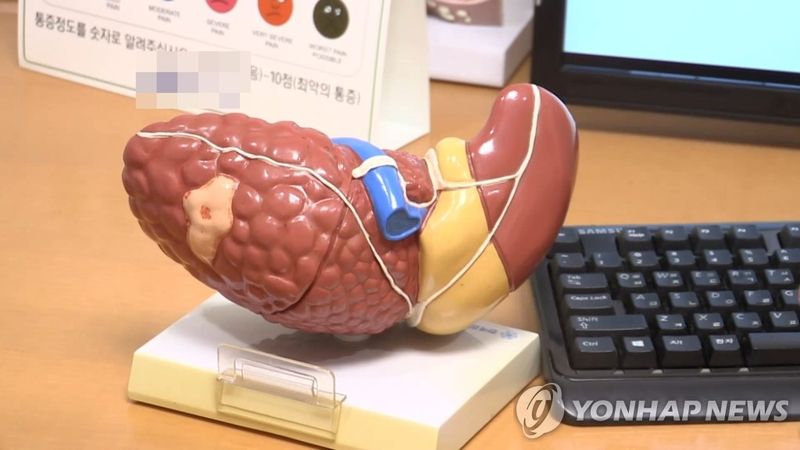
[Financial News] Fatty liver disease is no longer a condition that affects only middle-aged people who enjoy drinking. As people exercise less and eat more fatty foods, the prevalence of obesity among men in their 30s has soared to 59%, while the share of fat in the diets of people in their 20s and 30s has exceeded the recommended upper limit for the first time.
The liver is called the “silent organ” because it produces no clear symptoms until a disease has progressed considerably. According to the Korean Association for the Study of the Liver, 48.8% of liver cancer patients in Korea already had advanced cancer when they were diagnosed.
In the Ministry of Data and Statistics’ 2022 cause-of-death statistics, liver cancer ranked first in mortality among major cancers for people in both their 40s (5.3 deaths per 100,000 people) and 50s (16.9 per 100,000). This means it takes a heavy toll on individuals, families and society as a whole during the years when people are most economically active. That is why it is important to care for the liver from an early age, starting when fatty liver disease first develops.
Obesity and smoking, not alcohol, are the problem ... 4 in 10 leave fatty liver untreated even after it is found in a screening
Fatty liver is a condition in which fat accumulates in at least 5% of liver cells. Alcohol is often assumed to be the cause, but in fact, fatty liver unrelated to alcohol consumption is more common. The disease, formerly called “nonalcoholic fatty liver disease,” was renamed “metabolic dysfunction-associated steatotic liver disease” after its links to metabolic disorders such as obesity, diabetes and high cholesterol were confirmed. An analysis by the National Institute of Health of the Korea Disease Control and Prevention Agency, based on data from the Korea National Health and Nutrition Examination Survey (KNHANES), found that the prevalence of metabolic dysfunction-associated steatotic liver disease among Korean adults was 24.1%—about one in four.
Fatty liver is strongly influenced by lifestyle. In an analysis by the National Institute of Health, people who maintained both a healthy diet and sufficient physical activity had about a 32% lower risk of fatty liver. But lifestyle indicators among younger people are moving in the opposite direction.
Last year’s KNHANES found that the rates of aerobic physical activity among people in their 20s and 30s both fell from the previous year. For the first time since 2016, the proportion of fat in the diets of both men and women in their 20s and 30s exceeded the recommended upper limit of 30%, while the prevalence of obesity among men in their 30s rose by 9.9 percentage points in a year.
Smoking also increases the risk of fatty liver. A research team led by Professor Lee Moon-hyung of the Department of Gastroenterology at Kyung Hee University Hospital at Gangdong conducted a meta-analysis of 20 large-scale cohort studies and found that smokers had a 14% higher risk of fatty liver than nonsmokers. Smoking increases insulin resistance, causing fat to build up in liver cells. Nicotine also promotes fat breakdown, and the resulting increase in fatty acids can return to the liver and accumulate there. Meanwhile, last year, tobacco product use among men in their 20s rose from 29.5% to 33.2%, and among women in their 30s from 7.5% to 13.9%—nearly doubling. “Tobacco puts a burden not only on the lungs but also on the liver,” Professor Lee said. “You must quit smoking to prevent and manage fatty liver.”
An even bigger problem is leaving fatty liver untreated despite knowing about it. The National Institute of Health analyzed 1,000 patients with fatty liver and found that 79.9% had discovered the condition by chance during a health checkup. However, only 57.7% subsequently sought care at a medical institution, while 42.3% took no follow-up action at all. The most common reason for not visiting a hospital was “not thinking it was serious” (41.6%).
Metabolic dysfunction-associated steatotic liver disease can progress from simple fatty liver to steatohepatitis, in which inflammation damages liver cells, and then to cirrhosis, in which the liver becomes hardened. Most patients do not develop severe disease, but an estimated 5–18% develop cirrhosis, and about 2.6% of them are estimated to develop liver cancer each year. The risks extend beyond the liver. The most common cause of death among people with metabolic dysfunction-associated steatotic liver disease is cardiovascular disease, not liver disease. Fatty liver also raises the risk of heart attack, stroke, diabetes and chronic kidney disease.
Check liver stiffness without a needle ... even a 3–5% weight loss can help
Fatty liver is usually diagnosed with an abdominal ultrasound. After diagnosis, it is important to check how stiff the liver has become—in other words, the degree of fibrosis—because the more severe the fibrosis, the greater the risk of cirrhosis and liver cancer. Since an abdominal ultrasound alone cannot accurately assess fibrosis, a “liver fibrosis scan” is used. The test uses ultrasound technology to measure liver elasticity and fat content numerically. Unlike a biopsy, it does not require inserting a needle, so it places less strain on the body.
The Department of Gastroenterology at Kyung Hee University Hospital at Gangdong assesses both fatty liver and the degree of fibrosis using abdominal ultrasound and liver fibrosis scans. High-risk patients with diabetes or obesity are monitored regularly for progression to cirrhosis or liver cancer. If liver cancer is suspected, detailed CT and MRI scans and multidisciplinary consultations support care from diagnosis through treatment.
Weight loss is central to treatment because most people with metabolic dysfunction-associated steatotic liver disease are overweight or obese. According to the Korea Disease Control and Prevention Agency, fatty liver can improve with a weight loss of just 3–5%, while losing 7–10% of body weight improves most cases of steatohepatitis, including fibrosis.
However, losing 1 kg or more in a week can actually worsen fatty liver and accelerate fibrosis. It is best not to skip meals, but to gradually reduce the portion size at each meal and avoid fatty foods and sugary drinks containing fructose. Regular aerobic exercise—such as brisk walking, cycling or swimming—is recommended at least three times a week for at least 30 minutes per session. Anyone with underlying conditions such as diabetes, high cholesterol or high blood pressure should receive treatment for them as well.
Professor Lee emphasized, “The ‘fatty liver’ noted on your health checkup results is the first warning your liver sends.” He added, “If you have obesity or diabetes, you need to follow through with liver fibrosis testing, along with managing your diet, exercise and underlying conditions, to reduce the risk of progression to cirrhosis and liver cancer.”
[email protected] Jeong Myeong-jin, medical correspondent Reporter