Industrial Production and Exports Drive China’s Economy ... Property and Consumption Slump Persists
- Input
- 2026-10-19 13:51:59
- Updated
- 2026-10-19 13:51:59
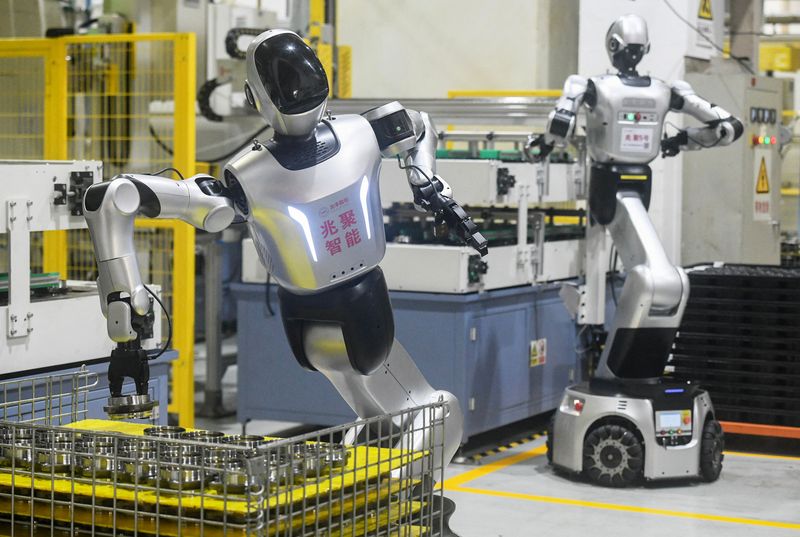
[Financial News] Indicators released by China’s National Bureau of Statistics (NBS) on the 19th, including third-quarter gross domestic product (GDP), once again confirmed that industrial production and exports continue to drive China’s economy.
However, sluggish domestic demand and the persistent weakness of private-sector areas such as real estate, which have been slow to recover, are expected to deepen growth imbalances and erode potential growth, weakening the economy’s long-term resilience and growth capacity.
Some exports of intermediate goods by Korean companies may remain firm, but they will face growing competitive pressure from Chinese firms using their price competitiveness to push large volumes of exports into key overseas markets, including third-country markets.
The 4.5% year-on-year increase in GDP announced by the NBS that day was a strong result, exceeding market forecasts. It showed that industrial production was driving the growth trend more strongly than generally assessed. The market forecast compiled by Reuters was 4.4%.■ Equipment and High-Tech Manufacturing Drive Industrial Production
September industrial production rose 5.5% from the same period last year, confirming the growing strength of industrial production. Growth in industrial production was 5.3% for January–September, with notable contributions from equipment manufacturing, up 10.2%, and high-tech manufacturing, up 14.3%.
Such strong industrial production is also expected to help prevent a sharp economic downturn.
The Xi Jinping administration has set a growth target of 4.5–5%, making it easier to achieve. China’s quarterly GDP growth was 5.0% in the first quarter, then slowed to 4.3% in the second quarter, its lowest level in about three years, since the fourth quarter of 2022. Third-quarter growth dispelled concerns about this trajectory.■ Strong Industrial Production Feeds into Exports Amid Weak Domestic DemandDespite weak domestic demand, strong industrial production translated into exports. The global artificial intelligence (AI) boom helped boost exports. China’s export performance for January–September this year, announced on the 14th, set a new record. September exports rose 36.3% from the same period last year to $447.18 billion (about 597.8 trillion won), while the trade surplus for January–September reached a record $938.11 billion (about 1,255 trillion won). It is expected to comfortably exceed $1 trillion when October’s figures are released.
The sharp increase in exports and the trade surplus also raises significant concerns about heightened tensions with major trading partners, including the European Union (EU).■ Domestic Economy, Including Real Estate, Unable to Emerge from SlumpBy contrast, the property market and domestic demand had been slow to recover.
Total fixed-asset investment for January–September fell 7.2% from the same period a year earlier. Fixed-asset investment excluding real estate development declined 4.2%, while investment related to intellectual property products rose 9.3%.
Real estate development investment fell 20.6% year on year in January–September, showing that one of the main pillars supporting China’s domestic demand remained mired in a slump. As a major source of revenue for local government finances, the real estate industry is undermining fiscal health and eroding economic vitality.■ Widening Imbalances: Intensifying Price Competition, Declining Corporate Profitability and Greater Reliance on Overseas MarketsRetail sales, a measure of consumption, rose 1.1% in September from the same period last year, the highest growth rate since March (1.7%). The increase exceeded both August’s 0.4% and the 0.6% market forecast compiled by Reuters.
The 1.1% growth in retail sales in September, compared with 5.5% growth in industrial production, highlights an imbalance in the drivers of growth. Consumption has failed to keep pace with production capacity, increasing pressure to seek markets overseas. As domestic consumption fails to absorb rising industrial output, it is deepening imbalances marked by intensifying price competition, declining corporate profitability and greater reliance on overseas markets.
The NBS said, “China’s economy withstood pressure and operated steadily in January–September,” adding, “Production and supply grew relatively quickly, and foreign trade posted healthy growth. Employment and prices were generally stable.”
[email protected] Lee Seok-woo, International Affairs Specialist Reporter