Education Ministry also sends universities official letter on tackling cheating with AI glasses
- Input
- 2026-10-19 10:34:40
- Updated
- 2026-10-19 10:34:40
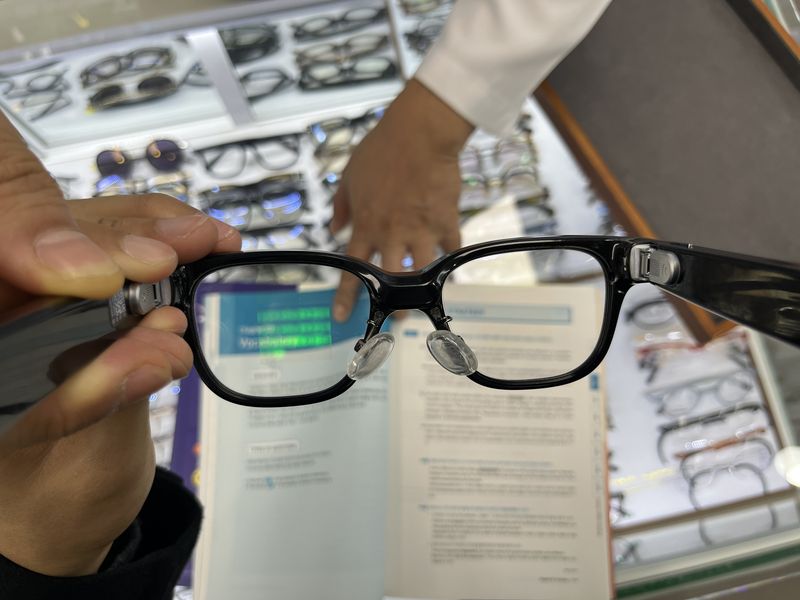
[Financial News] The Ministry of Education has sent universities an official guidance letter on responding to cheating on exams using artificial intelligence (AI) smart glasses, following similar letters to provincial and metropolitan offices of education and schools. The guidance is intended to help universities respond to cheating on their own admissions exams, including essay tests and interviews. However, the ministry decided not to disclose specific detection methods, citing concerns that cheaters could study ways to evade them.
The Ministry of Education said on the 19th that it had also sent universities an official guidance letter on responding to cheating involving AI smart glasses on the 15th. In the past, it sent such letters to provincial and metropolitan offices of education and schools, but this year it expanded the list of recipients to include universities so they could also use the guidance in their own admissions exams.
At a briefing, Education Ministry spokesperson Jeong Byeong-ik explained, "We are keeping the details confidential because of concerns that, if detection methods were made public, cheaters could study ways to evade them."
Cheating using AI smart glasses was detected at the University of Seoul during an essay exam for the natural sciences on the 3rd, and at Yonsei University during a math essay exam for the natural sciences and integrated studies tracks on the 10th.
At the University of Seoul, a proctor grew suspicious of the thick-rimmed glasses worn by one examinee and asked the exam administration office to check them. The university confirmed that the glasses were smart glasses with AI capabilities and removed the examinee from the exam. It ruled the examinee unsuccessful and barred them from taking part in any of its admissions procedures for the next three years.
A similar case emerged at Yonsei University. The examinee was found to have worn ordinary glasses during the inspection before the exam began, but to have switched to smart glasses after it started. A proctor noticed, and the examinee reportedly acknowledged after the exam that they had worn smart glasses. Yonsei said at the time that it was discussing follow-up measures concerning the examinee.
A common feature of the two cases was that checks conducted before an exam may not be enough to completely screen out devices used for cheating. If an examinee passes a preliminary check wearing ordinary glasses and then switches to smart glasses during the exam, it may be difficult to detect the cheating through checks conducted only before entry to the exam room.
Asked whether other universities could also impose sanctions on examinees caught cheating in university-specific exams, spokesperson Jeong said, "The rules on sanctions for cheating in university-specific essay exams differ from one university to another, and my understanding is that sanctions generally apply only at the university concerned."
Because each university independently administers its own admissions process, the handling of cheating and the sanctions imposed may vary according to each university's rules. As cases of cheating using new devices such as AI smart glasses continue to emerge, establishing not only pre-exam checks but also procedures for monitoring suspicious situations during exams and handling cases after cheating is detected remains a challenge.
[email protected] Kim Man-gi Reporter