Police launch sweeping review of 43,700-plus relationship-related crime cases, examine response to stalking and dating violence
- Input
- 2026-10-19 11:31:51
- Updated
- 2026-10-19 11:31:51
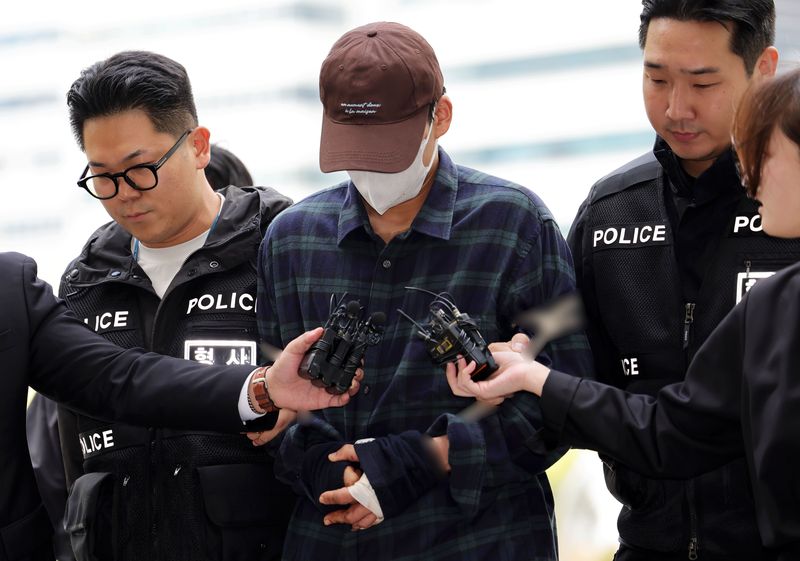
[Financial News] Recent cases of relationship-related crimes, including stalking and dating violence, have increasingly ended in murder, prompting police to launch a sweeping review of more than 43,700 related cases and individuals. The aim is to determine whether investigations and victim-protection measures were properly carried out, as serious crimes have continued even after victims reported them.
According to the National Police Agency on the 19th, police will conduct a “sweeping review of relationship-related crimes,” centered on provincial and metropolitan police agencies nationwide, over two weeks, from the 19th through the 30th.
The review covers 43,712 cases or individuals in total: 13,560 cases under investigation; 22,057 A-level individuals under monitoring; 7,046 stalking reports closed at the scene; and 1,049 cases with safety measures underway.
Police finished identifying the cases and individuals for review by the 16th and will conduct the sweeping review through the 30th. They plan to analyze and report on the overall results of the review period on the 2nd of next month, and announce the findings on the 5th of that month.
Employees and others who achieve strong results during the review will also receive awards to boost morale and encourage good performance. Police plan to publicize key review results and exemplary cases, form review teams to conduct cross-checks, and take follow-up action on any additional shortcomings identified.
The review was launched to reassess the overall response system for relationship-related crimes following a series of serious incidents across the country, including in Seoul, Jeju, South Chungcheong Province and North Jeolla Province.
On the 11th, a man in his 20s who was being monitored by police over a domestic violence case killed his mother-in-law and abducted his wife in Seoul’s Songpa District. Police had previously classified him as an A-level target for monitoring because he was considered at high risk of repeating domestic violence, but they failed to prevent the crime. Existing temporary measures, including a restraining order, expired on the 30th of last month. A new application was filed on the 6th of this month, but no new temporary measure had been ordered by the time of the crime.
The following day, a woman in her 40s was killed with a weapon in Jeju by a man in his 60s with whom she had previously been in a relationship. From October last year through May, the victim reported the man to police at least four times over dating violence, sexual violence and stalking. She was registered for personal protection and even given a smartwatch, but the perpetrator tore it off during the attack, and no emergency report was made.
On the 13th in South Chungcheong Province, a woman in her 50s was found dead from stab wounds in a vehicle belonging to a man in his 60s with whom she had previously been in a relationship. Police had received two reports related to the man. A stalking report in January was closed at the scene because the matter was considered minor, while a dating violence report in June ended with a decision not to refer the case to prosecutors after the victim said she did not want the man punished. Police have launched an investigation, believing the man killed the woman.
In Jeonju, North Jeolla Province, a man in his 70s was arrested by police on the 14th on suspicion of killing his estranged wife. The victim had previously reported domestic violence, stalking and threats to police eight times. A court had issued provisional stalking measures against the man, including orders barring him from approaching or contacting her, and police also conducted weekly safety checks on the victim, but they failed to prevent the crime.
The cases suggest that the limits of the existing victim-protection system are becoming apparent, as serious crimes continue to occur even after victims report them or protective measures are put in place. In particular, concerns have been raised about gaps in restraining orders, the limitations of assessing reoffending risks and providing protection in response to repeated reports, and the shortcomings of smartwatches that rely on victims to report emergencies themselves.
The practice of handling cases based on victims’ wishes not to seek punishment has also come under scrutiny. In 2023, the provision making stalking an offense that could not be prosecuted against a victim’s wishes was abolished, making investigation and punishment possible even when victims do not want the perpetrator punished. Dating violence, by contrast, has no separate law prescribing penalties, and perpetrators cannot be punished for offenses such as simple assault or threats that are subject to the rule barring punishment when the victim objects, if the victim does not want them punished.
Last August, police distributed a “Comprehensive Manual for Responding to Dating Violence” to frontline units, instructing them not to close cases at the scene solely because victims did not want the perpetrators punished, and to consider the objective circumstances. However, recent cases have also been found in which matters were closed because victims did not want punishment, prompting growing calls for victim-protection measures that take into account the full history of repeated reports and the perpetrator’s risk of reoffending.
[email protected] Kim Ye-ji Reporter