[Editorial] European protests fueled by discontent over housing and jobs are no distant concern
- Input
- 2026-10-18 19:04:06
- Updated
- 2026-10-18 19:04:06
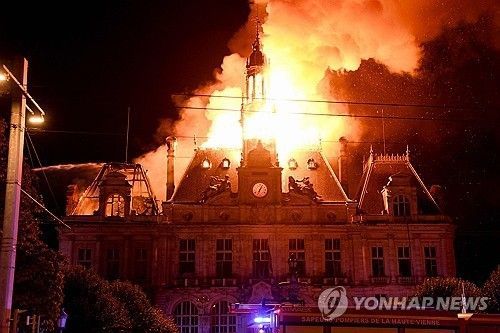
The protests are spreading to neighboring countries like wildfire. Large demonstrations have taken place in Rome, Milan and other Italian cities, protesting low wages, soaring prices and inadequate public services. Italy’s largest labor union has announced a general strike for the 20th of next month. In Belgium, high school students protesting education budget cuts clashed with police. Protests against surging rents and home prices have continued in Spain and Portugal.
Underlying the protests are the burden of living costs and accumulated grievances over education, housing and jobs. Rising energy prices due to the war in the Middle East, populist fiscal spending, failures to manage inflation and the burden of housing costs have combined to undermine young people’s ability to build assets and establish an independent life. Last month, consumer price inflation in the eurozone reached 3.8%, its highest level in three years. The European Central Bank’s (ECB) interest rate hikes in response to price pressures have increased the burden on households and businesses.
The problem is that governments’ fiscal room for maneuver is also shrinking. France’s government debt is forecast to rise from 115.6% of GDP last year to 119.3% this year, while its fiscal deficit has exceeded 5% of GDP for four consecutive years.
It has been pointed out that, as public finances are rigidly skewed toward welfare and support for older people, investment in essential public services—including strengthening public education infrastructure and investing in the future of young people—has been neglected, fueling social anger.
There are also concerns that this turmoil could spill over into financial market instability. The European debt crisis in the early 2010s was triggered in relatively small economies such as Greece, but this time the epicenter is France, the eurozone’s second-largest economy. If France’s fiscal problems worsen in tandem with political and social conflicts, they could also burden neighboring countries.
We, too, cannot regard Europe’s situation as someone else’s problem. The number of young people in employment has been declining for 47 consecutive months, and the youth employment rate fell for 29 months in a row through last month. Uncertainty over home prices in the Capital Metropolitan Area and the fallout from rental-deposit fraud have deepened the sense of deprivation among young people without homes, while shaken confidence in public education has also contributed to an excessive expansion of the private education market. Mandatory spending on pensions, healthcare and other areas is rising as the population ages, but politicians make pledges of cash assistance every election. If fiscal resources are concentrated on short-term support, investment in housing, education and employment for young people could be pushed aside.
The protests in Europe show that when the essentials of daily life—housing, education and jobs—become insecure, an entire national system can be shaken. The government and politicians should take the unrest in Europe as a lesson and allocate sufficient resources to housing supply for young people and education before providing cash assistance. They should also accelerate efforts to create more quality jobs for young people through labor-market and regulatory reforms. Not postponing investment in future generations is essential to safeguarding social stability.