Five Ways to Enjoy Autumn in Jeju, from Silvery Silver Grass to Sweet Carrots
- Input
- 2026-10-22 14:22:24
- Updated
- 2026-10-22 14:22:24
■ Seeking out Jeju’s autumn flowers: silver grass
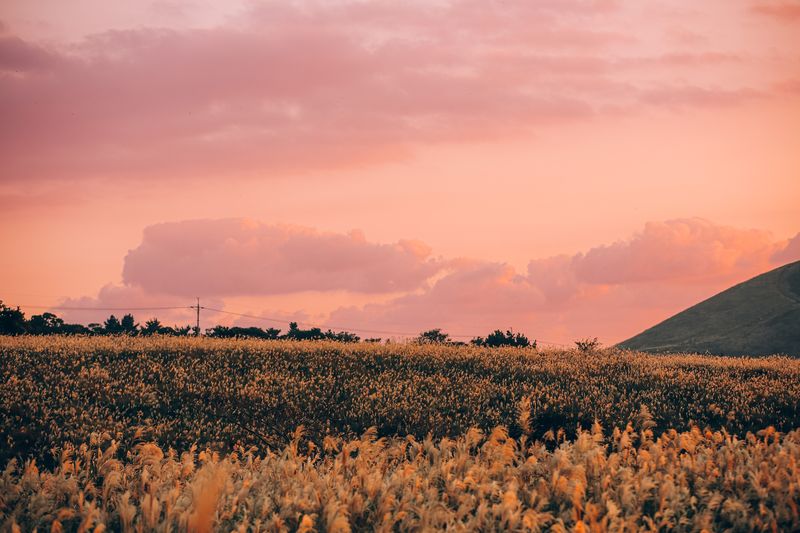
One of the signature sights of autumn in Jeju is silver grass swaying in the wind. In the area around Eoeum-ri, Aewol-eup, Jeju City, silver grass spreads across broad fields. Beyond the grass rippling with each gust, the sea and oreum come together to create the distinctive autumn scenery of Jeju’s mid-mountain region. As the sun begins to set, the grass catches the light and shimmers silver, creating a different atmosphere.
If you’d like to enjoy silver grass on an oreum, consider visiting Keunsaseumi Oreum (Daeroksan) in Gasi-ri, Pyoseon-myeon, Seogwipo City. In autumn, as the grass begins to color the ridgelines, the surrounding landscape takes on added depth. Geumbaekjoro and Bijarim-ro, which pass through Songdang and Susan-ri, also make good driving routes for admiring Jeju’s autumn scenery through the car window. You can also take in autumn views against a backdrop of sea and coastal cliffs along the Songaksan Dulle-gil in Daejeong-eup, Seogwipo City.
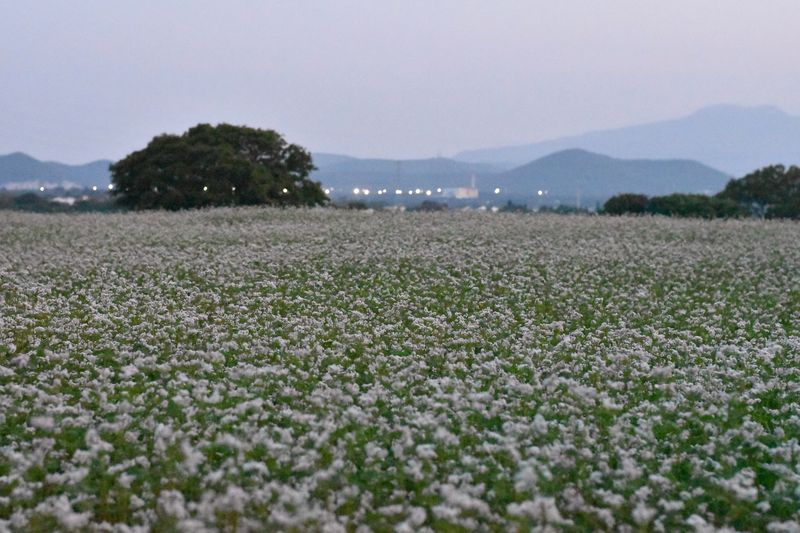
For a different shade of autumn from silver grass, head to Waheul-ri, Jocheon-eup, Jeju City. White buckwheat flowers bloom in October in the fields tended by village residents. Flowers line the paths between stone walls and narrow lanes, offering a quiet rural scene unlike those at famous tourist destinations. Silver grass peaks from mid-October to early November, while buckwheat flowers are at their best in early to mid-October.
■ How about meditating at Mulyeongari Oreum?
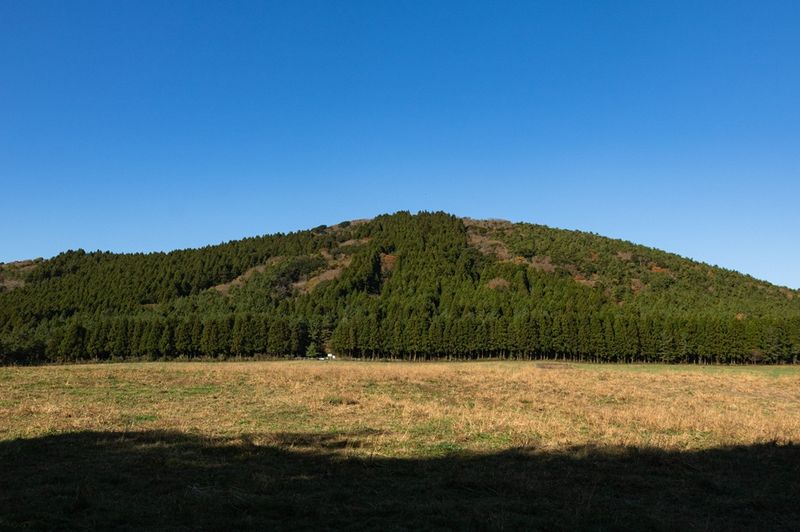
In autumn, a trip in Jeju that slows your pace and lets you linger in the forest is also appealing. Mulyeongari Oreum, in Sumang-ri, Namwon-eup, Seogwipo City, is a parasitic volcanic cone with a crater lake at its summit. It was designated a wetland conservation area in 2000 and registered as a Ramsar wetland in 2007.
The visit begins along a path that runs beside a ranch. After passing grassland where cattle graze, you reach a cedar forest whose trees grow straight toward the sky. Climb for a little over 20 minutes up steps made from cedar logs, and you’ll reach a crater wetland measuring 300 m around and 40 m deep.
The scenery changes with the weather. On rainy days, low-lying fog creates a dreamlike atmosphere, while on clear days, a bright blue sky opens up above the wetland. Rather than chasing spectacular sights, it’s a good place to walk slowly along forest trails, pause for a moment and listen to the sounds of nature.
Mulyeongari Oreum is open to visitors free of charge, and no advance reservation is needed. To protect the wetland, however, it is important to stay on the designated trails. Other places in Jeju that are well suited to meditation include Dongbaek Dongsan Wetland in Seonheul-ri, Jocheon-eup, Sanghyowon in Seogwipo, and the Garden of Thinking in Hankyeong-myeon.
■ Experiencing local life in a small village
Once the busy summer tourist season passes, daily life in Jeju’s villages feels that much closer. Walk through forests and over oreum, explore local cultural and arts spaces, and discover how autumn differs from village to village.
Jeoji-ri, Hankyeong-myeon, Jeju City, is a village where Gotjawal, oreum and culture and the arts come together. Jeoji Oreum, at the heart of the village, connects to Jeju Olle Trail Route 13. Walk up the oreum and back down, then visit places such as the Jeju Museum of Contemporary Art and the Kim Tschang-Yeul Museum for a half-day trip that combines nature and art. Banglimwon and the Garden of Thinking are also nearby, adding a leisurely touch to a stroll.
In Gasi-ri, Pyoseon-myeon, Seogwipo City, you can find traces of Jeju’s pastoral culture. The village preserves the history of Gapmajang, a ranch that supplied horses to the royal court during the Joseon era, and has places related to Jeju horses, including Jorangmal Experience Park and the Jorangmal Museum. The 10.3-km Jjolbeun Gapmajang Trail, which crosses the village, passes Ttarabi Oreum and Keunsaseumi Oreum. Walk the route as silver grass blooms in autumn and explore the traces of the area’s former pastoral life.
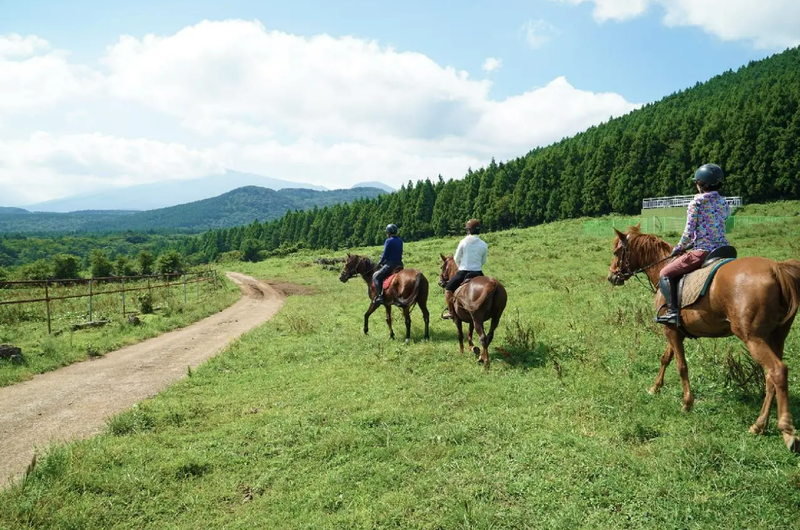
Uigwi-ri in Namwon-eup is another village with deep ties to Jeju horses. It is the hometown of Kim Man-il, a Joseon-era official honored for donating horses, and you can encounter horses and pastoral culture at the village communal ranch and Otgwi Horse Theme Town. You can also connect with Jeju horses through a horseback riding experience.
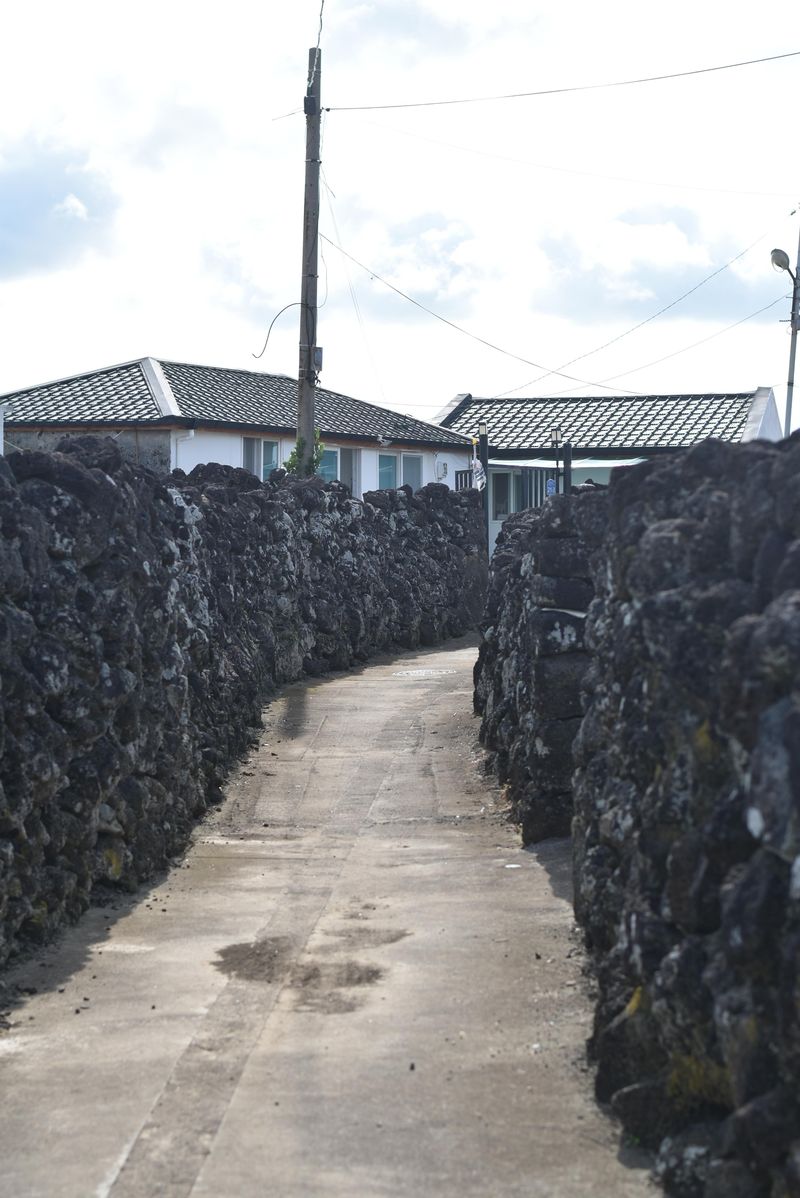
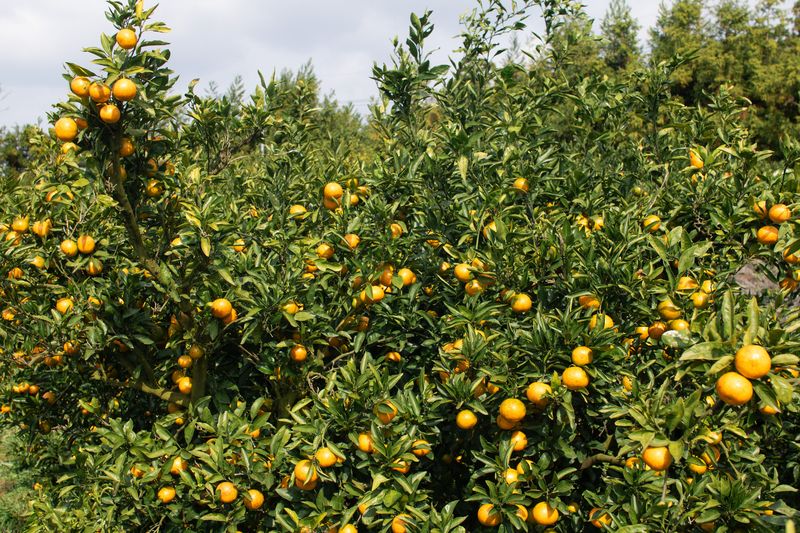
In late autumn, make your way to Sinyeri in Namwon-eup. This village brings together stone-wall paths lined with ripening tangerines and dense cedar forests. As you walk the forest trail on nearby Iseungak Oreum, you can feel the tranquil mood of late autumn among the trees, where sunlight filters through.
■ The flavors of autumn in Jeju: carrots & omegi liquor
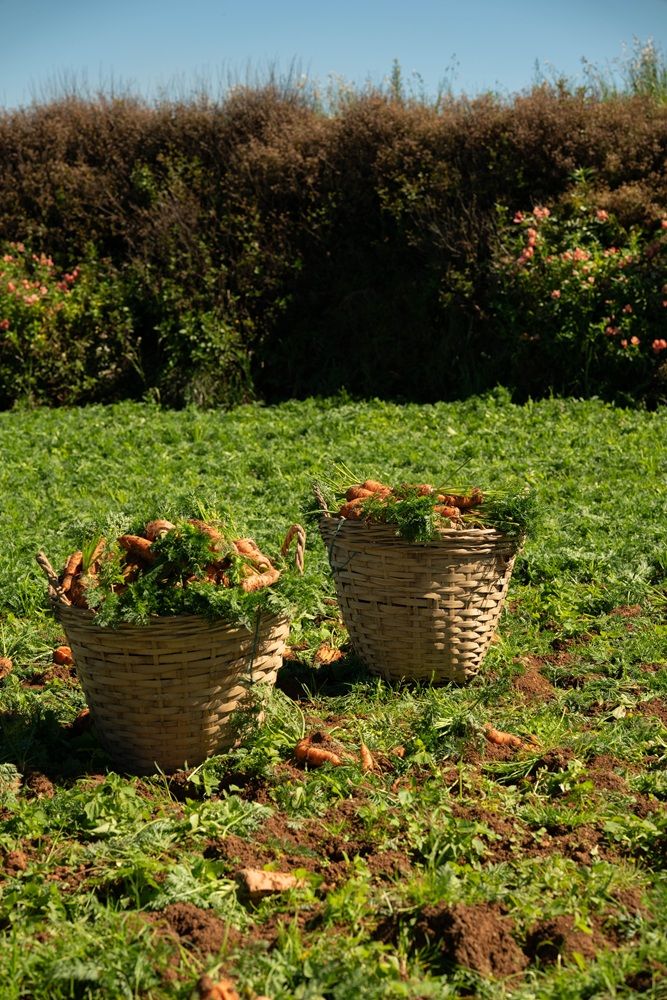
Carrots are a crop to look out for in Jeju’s autumn fields. Gujwa-eup, Jeju City, in particular, is one of Jeju’s signature carrot-growing areas. Carrots grown in well-draining volcanic ash soil and sea breezes are known for their crisp texture and sweetness.
Autumn is when carrots grow underground. Rows of green carrot tops spread across the fields, and the main harvest begins in late November. Cafes throughout Gujwa-eup serve desserts made with carrots, offering a different way to enjoy local produce through items such as carrot juice and carrot cake.
From late autumn, visitors can also join carrot-harvesting experiences at farms around Songdang-ri and Pyeongdae-ri. By pulling carrots grown in volcanic soil, you can experience how produce grows in the fields and is harvested. Since schedules vary by farm, check in advance whether an experience is available before visiting.
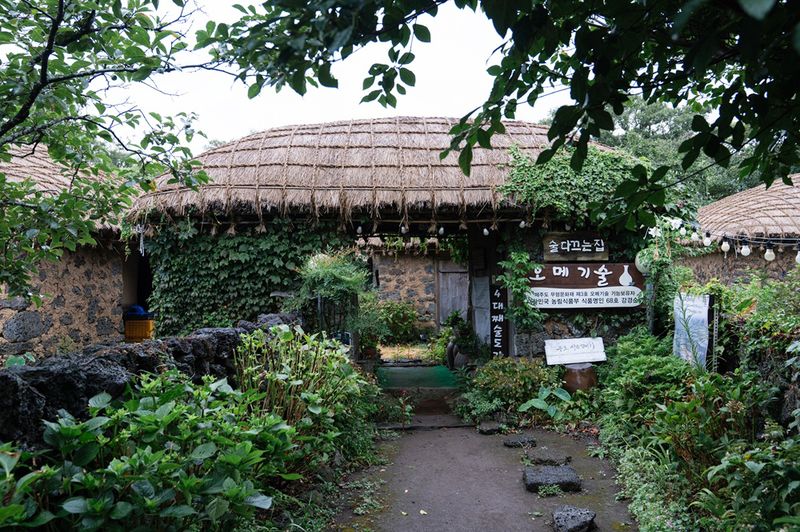
Jeju’s agricultural produce also finds its way into liquor. Since rice paddies were scarce in Jeju, people have traditionally made omegi liquor from millet; today, a variety of liquors are made using local produce such as tangerines. Locally made drinks using regional ingredients include tangerine-based Shinrye Myeongju, Tamora and Jeju Gotbat. You can sample them locally or take a bottle home as a souvenir.
■ Hallasan autumn foliage trekking & cycling
Autumn is also a good season to enjoy the scenery by taking a leisurely walk along Jeju’s coast and around its islands. Seopjikoji in Seongsan-eup, Seogwipo City, has a walking trail that follows the coastal cliffs. It is well known for its spring canola flowers, but in autumn you can stroll at your own pace along the trail to the lighthouse and admire the scenery where Seongsan Ilchulbong and the horizon meet.
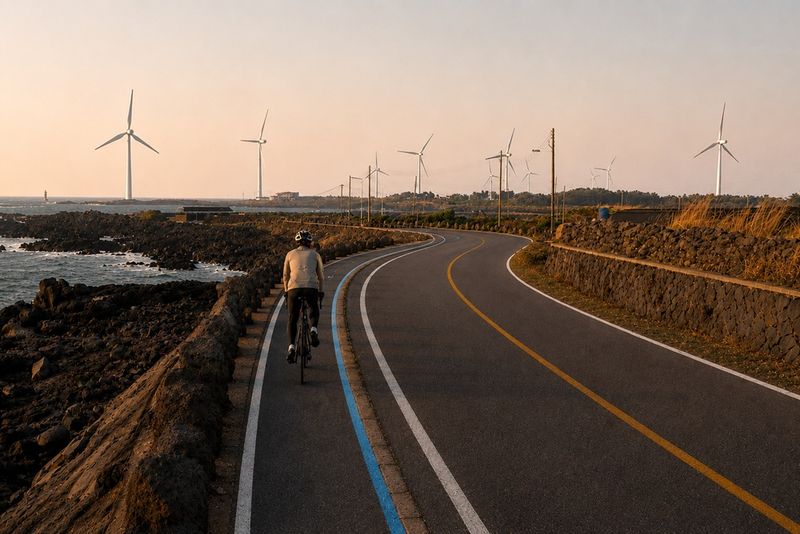
If you’re looking for a more unusual island trip, Udo is an ideal choice. A roughly 15-minute ferry ride from Seongsan Port brings you to Udo, where you can see the silver-grass ridges of Udobong (Soemeori Oreum) and the emerald waters of Seobinbaeksa Beach. You can cycle along the coastal road or walk from Hongjodangoe Beach to Geommeolle Beach and take in the island scenery.
Around Oedolgae Sea Stack in Seogwipo, you can see a rock pillar rising about 20 m above the sea, along with striking cliffs. Walk along Jeju Olle Trail Route 6, which connects to Sammaebong Park, to take a close look at the Seogwipo coast. At Suwolbong in Hankyeong-myeon, Jeju City, you can also see coastal rock layers formed from successive deposits of volcanic ash and Chagwido Island. It is also worth walking Eongal-gil beneath the cliffs and watching the sunset from nearby Jagunae Port.
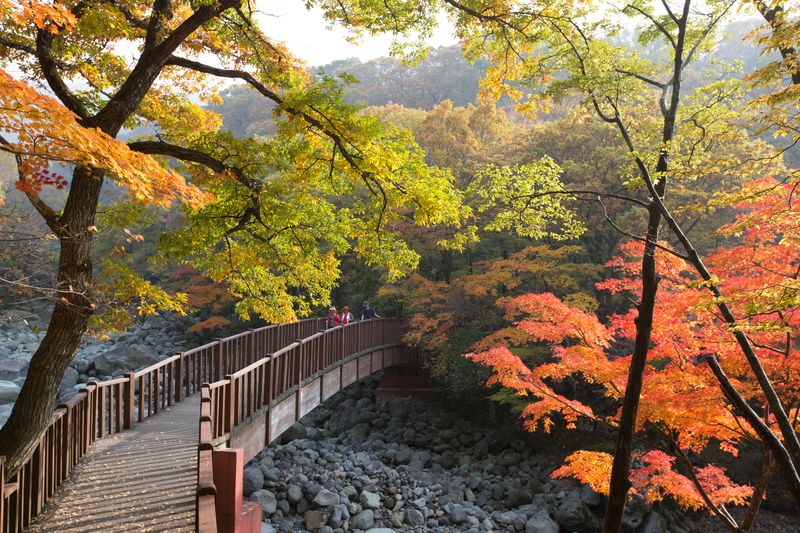
In autumn, Jeju offers cycling trips as well as walks. Hallasan’s foliage changes in layers at different elevations, and the Yeongsil–Witse Oreum and Eorimok–Witse Oreum trails offer views of both striking cliffs and autumn colors, letting you take in the beauty of the autumn mountains.
[email protected] Sun-Min Jung Reporter