Gangneung Guksu Festival wraps up successfully, drawing 250,000 visitors and evolving into a participatory culinary festival
- Input
- 2026-10-18 13:57:57
- Updated
- 2026-10-18 13:57:57
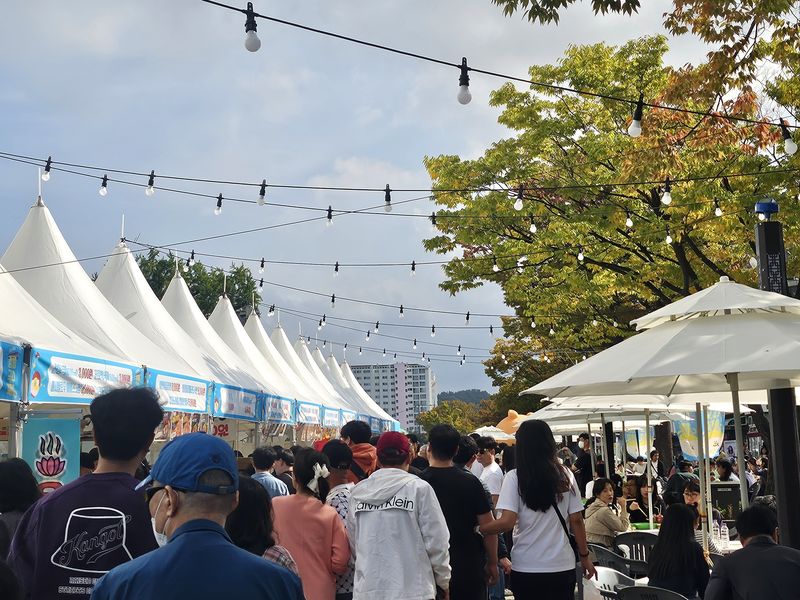
【Financial News, Gangneung = Kim Gi-seop, Staff Writer】Gangneung’s signature festival, the Guksu Festival, drew 250,000 people over four days, establishing itself as a participatory culinary festival where visitors can eat, see and enjoy.
According to Gangneung City on the 18th, the 5th Gangneung Guksu Festival wrapped up successfully after drawing 250,000 citizens and tourists during its run from the 15th through the 18th at Wolhwa Street and nearby areas. This year, the festival was renamed from the former Gangneung Noodle Festival to the more familiar Gangneung Guksu Festival, and its venue was expanded toward the former KEPCO parking lot. The event also grew in scale. Moving beyond its previous focus on selling noodle dishes, it broadened its program to include exhibitions, hands-on activities and performances, winning a positive response from visitors.
The food zone was divided into four sections. The Gangneung Original Noodles Zone served local noodle dishes; the World Zone featured noodle dishes from around the world and signature foods of multicultural families; the Fusion Zone offered unusual menu items; and the Pairing Zone served drinks and desserts to accompany noodle dishes. Together, they catered to a wide range of tastes and ages. The kiosk ordering system introduced for the first time this year was praised for eliminating long waits in front of booths and significantly reducing congestion.
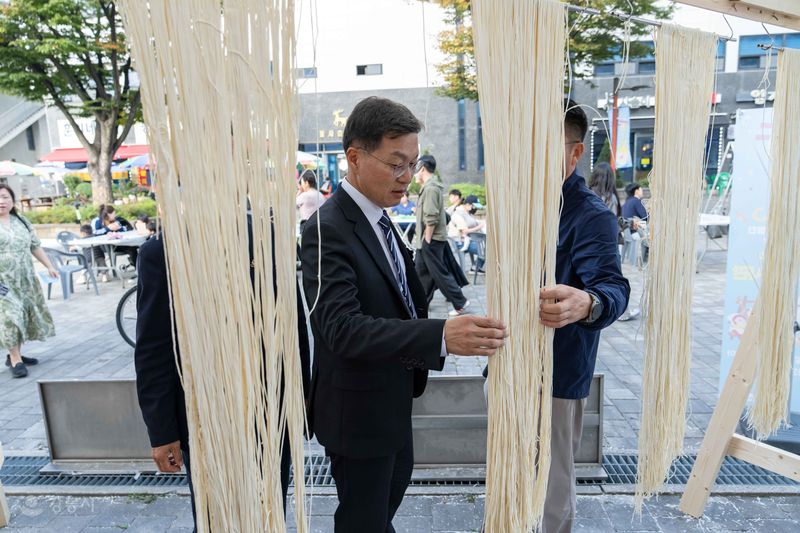
There was also more to see. The exhibition zone recreating a traditional noodle-drying area, bringing back the old practice of making noodles and hanging them out to dry, became a popular photo spot and offered visitors an at-a-glance view of the festival’s theme. Noodle-themed gates and photo zones were set up throughout the venue, and more places to rest and eat—including tables with parasols, beanbag chairs and large shade canopies—gave visitors a place to relax after buying food.
Families flocked to the hands-on programs. Visitors lined up to take part in noodle-making and dough-kneading activities and other noodle-themed booths, including one featuring noodle slime. On-site events such as gunguksu tastings and a prize draw for Gangneung specialties added to the fun. A cooking show by a famous chef and various game-style contests, including a noodle-making competition, also kept spectators engaged.
Performances continued throughout the festival at three locations: the main stage toward the former KEPCO site and two smaller stages near the ginkgo tree. Concerts by guest singers, classical music, magic and DJ performances brought energy to all of Wolhwa Street. The city also linked the festival with traditional markets and local food tourism to spread spending throughout the old downtown area. It plans to carefully analyze visitor feedback and the event’s results and make improvements to food offerings, programs and amenities.
“By giving the festival a more familiar name, expanding the venue, and adding kiosk ordering, a noodle-drying exhibition and noodle-making activities, we’ve taken a step beyond a festival that was only about eating to one where people can see and enjoy things, too,” said Bae Gwang-sik, head of Gangneung City’s Tourism Policy Division. “We’re grateful to the 250,000 citizens and tourists who visited Wolhwa Street over the four days. We’ll build on Gangneung’s flavors and stories to make this one of the city’s three signature festivals, alongside the Dano Festival and Coffee Festival.”
[email protected] Kim Gi-seop Reporter