Jeju tourism cases involving resident participation to inform local project design in 11 Asia-Pacific countries
- Input
- 2026-10-18 11:04:29
- Updated
- 2026-10-18 11:04:29
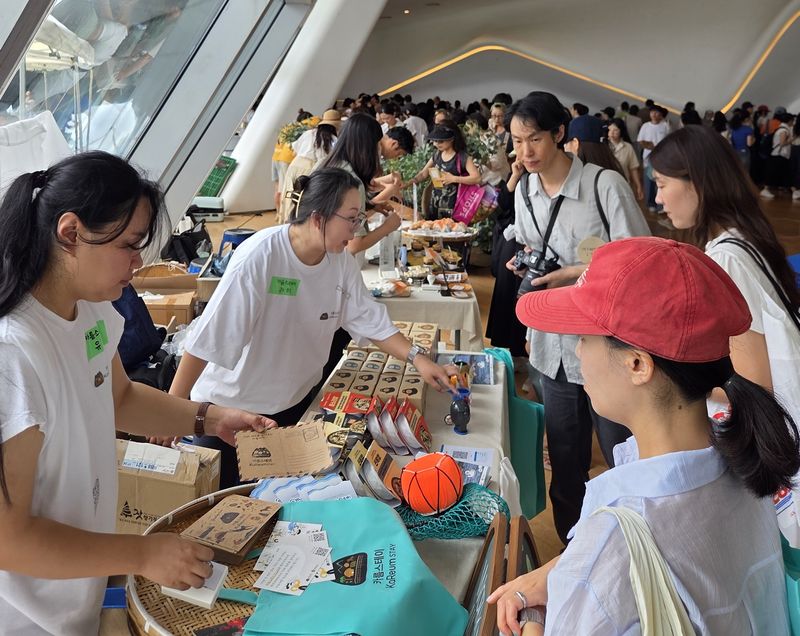
【Financial News Jeju = Reporter Jeong Yong-bok】 Jeju’s community-based tourism cases will be used as an international training topic for designing sustainable development projects in 11 Asia-Pacific countries.
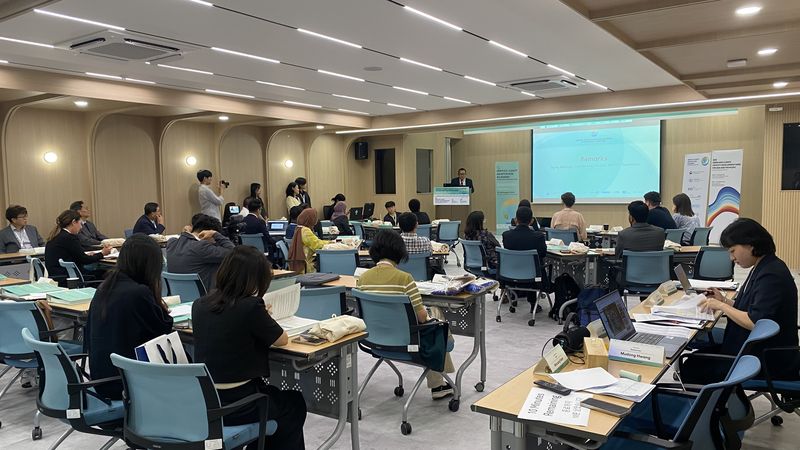
According to the Jeju International Training Center of the United Nations Institute for Training and Research (UNITAR) on the 18th, an “International Workshop on Local Capacity Building through Sharing and Scaling Up Good Practices 2026” will be held in Bangkok, Thailand, from the 21st to the 23rd. The Jeju International Training Center is organizing the workshop, with the Jeju Special Self-Governing Province and the Ministry of Foreign Affairs participating in hosting and sponsoring it.
Twenty alumni of the training program from 11 Asia-Pacific countries, including Indonesia, Vietnam, India, Nepal and the Philippines, will take part in the workshop. They will share their experiences applying what they learned at the Jeju International Training Center in their home countries and discuss ways to implement projects suited to local conditions.
The central theme is “Local Ownership.” Rather than having external institutions design projects unilaterally, this approach involves residents, local governments and community organizations participating and sharing responsibility from decision-making through implementation and maintenance.
On the 21st, Jeju Tourism Organization will present case studies on the roles of residents and local communities in community-based tourism projects. The United Nations Economic and Social Commission for Asia and the Pacific (UNESCAP) will share examples of the care economy and women’s economic empowerment, while the Bangkok International Training Center will share experiences in managing drainage facilities with resident participation and reducing waste.
Participants will compare cases in tourism, care and the environment and analyze factors that encourage or constrain resident participation. They will then jointly develop practical principles for application in their respective regions. On the final day, the 23rd, each participant is expected to draw up an action plan.
Since 2022, the Jeju International Training Center has held workshops where alumni share their experiences applying what they learned in training in their home countries. This year, it changed the format by adding joint analysis and action-plan development to individual case presentations. The joint results will be shared with the alumni network and incorporated into subsequent training programs.
Lee Hyeon-ju, a senior training planner at UNITAR’s Jeju International Training Center, said, “We aim to strengthen a learning system in which training outcomes lead to local action, and field experience in turn helps develop the content of future training.”

[email protected] Jeong Yong-bok Reporter