‘Special policing’ after every knife attack... ‘flash crackdowns’ can’t dispel public fear [Knife Rampages, Endless Tragedy (Part 2)]
- Input
- 2026-10-18 14:15:52
- Updated
- 2026-10-18 14:15:52
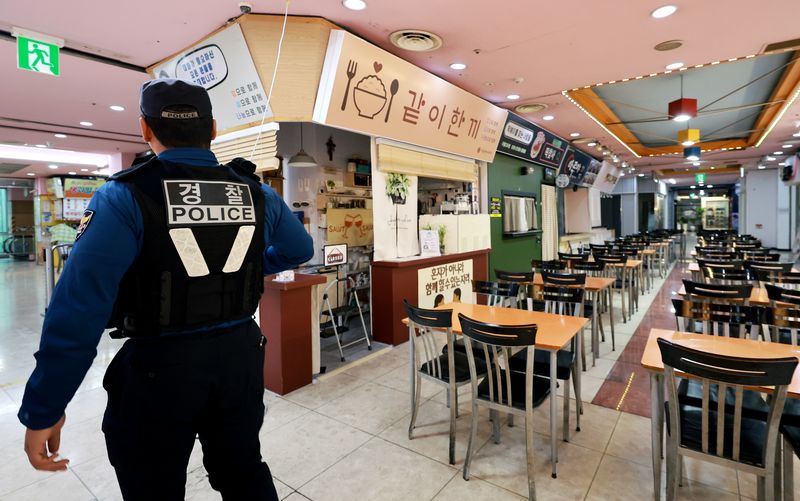
[Financial News] Each time a knife attack occurs, police step up special crackdowns and patrols, but the recurrence of similar crimes has raised questions about their effectiveness. Despite short-term results from crackdowns, it remains unclear whether concentrating police resources leads to long-term crime prevention. Analysts say a year-round prevention system is needed to identify warning signs in advance, rather than merely respond after an incident occurs.
According to police and other sources on the 18th, following the knife rampage at a large commercial facility in Incheon on the 13th, police expanded the deployment of officers at crowded places nationwide and stepped up crackdowns on knife possession and online posts threatening crimes.
Special crackdowns enter their third year... preventive impact in doubt
Police first declared a special policing operation to respond to knife attacks in August 2023. After successive knife attacks at Sillim Station and Seohyeon Station, they deployed police tactical units and even armored vehicles, stepping up patrols and stop-and-searches at crowded places.At the time, police patrolled 47,260 crowded places nationwide over about a fortnight, uncovered 227 knife-related offenses and arrested 46 people. Another 93 people caught carrying knives without other offenses were issued notices of fines.
But in April last year, another knife attack occurred at a supermarket in Mia-dong, Gangbuk-gu, Seoul. Starting on the 28th of that month, police carried out a six-week special crime-prevention campaign, concentrating officers in areas vulnerable to crime. Even after this year’s incident in Incheon, increased patrols at facilities open to the public and tougher enforcement of knife-related offenses were presented as key measures.
The crackdown figures are clear, but how long any crime-prevention effect lasts is a separate question. Professor Oh Yoon-sung of Soonchunhyang University’s Department of Police Administration said, “There is a tendency for police to rush to announce measures to step up patrols and crackdowns whenever a major knife attack occurs,” adding, “I question how much real preventive impact can be achieved by repeatedly stepping up patrols only in the immediate aftermath of an incident.”
800–900 officers patrol Incheon daily... limits to continuous oversight
This time, authorities are also pursuing a plan to deploy officers based on an analysis of the areas and times when 112 reports related to knife possession are concentrated. Reports expressing concern about a possible knife attack will be assigned Code 1 or higher and responded to accordingly, while security facilities such as CCTV cameras and emergency bells will also be expanded.A National Police Agency official explained, “Each city and provincial police agency is conducting crime-prevention activities, but figures at the central level are not yet being compiled,” adding, “We plan to draw up detailed guidelines next week and manage the relevant data.”
The Incheon Metropolitan Police Agency currently deploys an average of 800–900 patrol officers a day. Each police station assigns patrol locations and personnel according to local security conditions at 128 facilities open to the public in the Incheon area. Local police, mobile units, metropolitan preventive patrol teams and detectives are deployed, with private partner groups such as volunteer crime-prevention patrols also taking part.
No end date has yet been set for the stepped-up patrols. An Incheon Metropolitan Police Agency official said, “We’ll have to judge based on the social climate and other factors,” adding, “There are so many commercial buildings that it’s realistically difficult for police to enter and patrol the interior of every one.”
Police are also inspecting the security systems at the facilities themselves. They check whether CCTV cameras and emergency bells are working and how security personnel are deployed, and recommend that facilities address any shortcomings.
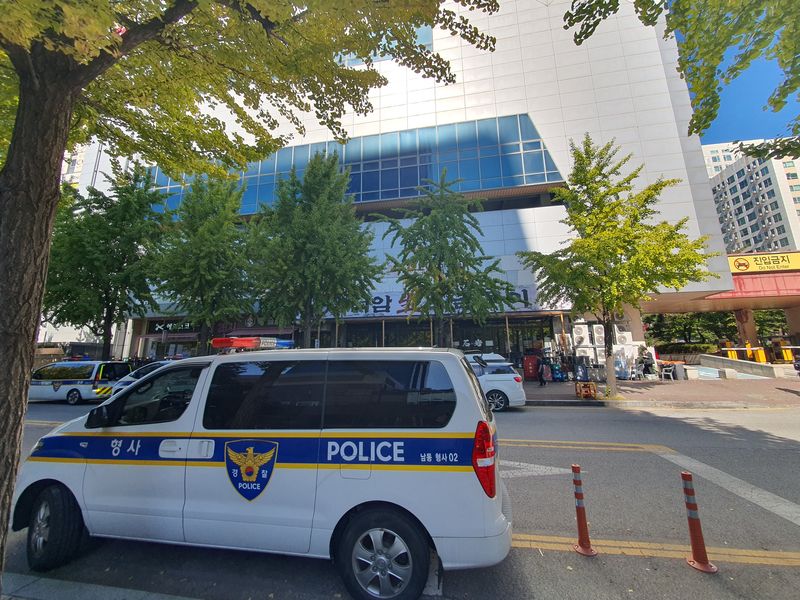
An offense of carrying a knife in a public place was also created last April. A legal basis was established to punish carrying and displaying a knife in a public place without a legitimate reason in a way that causes anxiety or fear among the public, but concerns have been raised that tougher penalties alone may not prevent crime.
Experts stress that, beyond intensive police crackdowns, relevant agencies need a system to identify warning signs early and respond to them. At an interagency meeting at the Blue House on the 15th, police also urged the Ministry of Health and Welfare to promote administrative hospitalization and expand mental-health emergency response infrastructure, among other measures.
Professor Oh said, “Even if police announce that they will step up patrols, it’s unclear how long they will continue the activity or what criteria will determine when it ends,” adding, “Since police cannot keep enough officers deployed everywhere, the focus should be on how to manage people who pose a real risk.”
Jang Da-hye, a senior research fellow at the Korea Institute of Criminology and Justice, said, “Crimes like this are difficult to resolve simply by strengthening criminal penalties or crackdowns after an incident has occurred,” adding, “It is important to establish a system that can identify warning signs and intervene in the community.” The point is that, given the limited authority police have to intervene directly in mental-health or community-welfare matters, a multilayered management system is needed that connects not only the police and probation offices, but also medical and welfare institutions and private-sector resources.
[email protected] Choi Seung-han, Kim Ye-ji Reporter