“I just want to stay two more years” ... Seoul jeonse deals halve, tenants in tears [House Signal]
- Input
- 2026-10-18 18:00:00
- Updated
- 2026-10-18 18:00:00
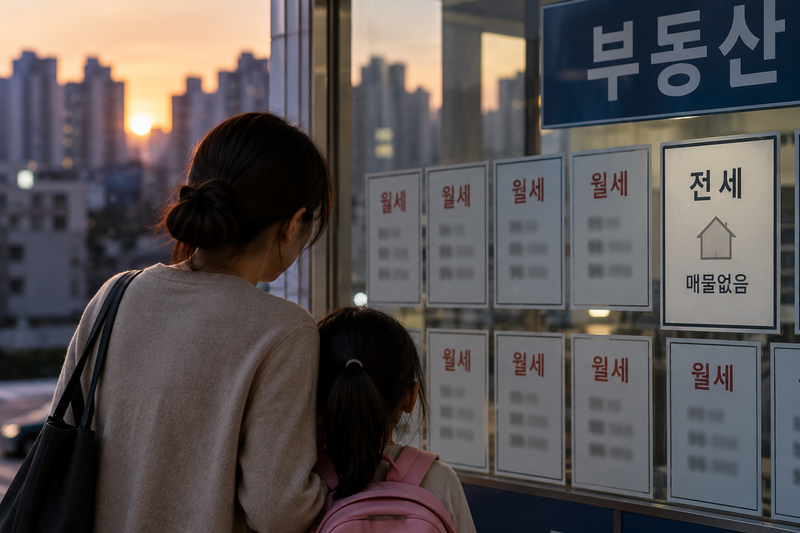
[Financial News] For a seven-year-old, moving is an experience that can make their world feel as though it is collapsing—far more than adults might imagine.
It means leaving behind the playground where they rode the slide every evening, the route to preschool they walked hand in hand each morning, and the neighborhood best friends they had only just begun to make.
That is why parents of young children try, if at all possible, not to leave the neighborhood. They can put up with a slightly cramped home or an outdated parking lot.
If their child can grow up without feeling anxious in an unfamiliar environment, parents are willing to put up with the inconvenience.
But as the end of a jeonse lease approaches, this modest and seemingly natural wish turns into a massive bill weighing on parents’ shoulders.
The heartfelt wish to “stay in this neighborhood for just two more years” is crumbling in the face of Seoul’s cold statistics.
■ Jeonse deals cut in half ... “There are no units left in the complex”
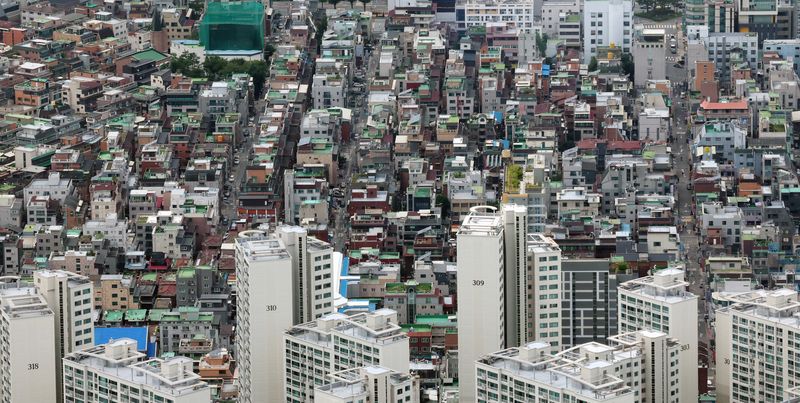
Parents try knocking on real estate agencies’ doors, hoping to move for their child, who has struggled to adjust, to another unit in the same complex or even an apartment across the street. The answer is always the same.
“There are no jeonse listings at all.”
The figures bear out the fear tenants experience firsthand. According to the Seoul Real Estate Information Plaza, the number of Seoul apartment jeonse deals plunged from 12,160 in September last year to 6,325 this September. A staggering 5,835 deals—about 48%—disappeared in a year. In effect, one out of every two deals was gone.
The drop in deals is not simply because fewer people are moving. According to Asil, a real estate big-data platform, there are currently 20,331 Seoul apartment jeonse listings, down 16.6% from a year ago. In other words, the supply of homes coming onto the market is drying up. The choices available in Seoul are rapidly disappearing for families looking for a home that is within commuting distance of work and close to their child’s school.
■ Jeonse prices jump nearly 10% ... To cover a 50 million won increase, you’d need to save “2.08 million won a month”
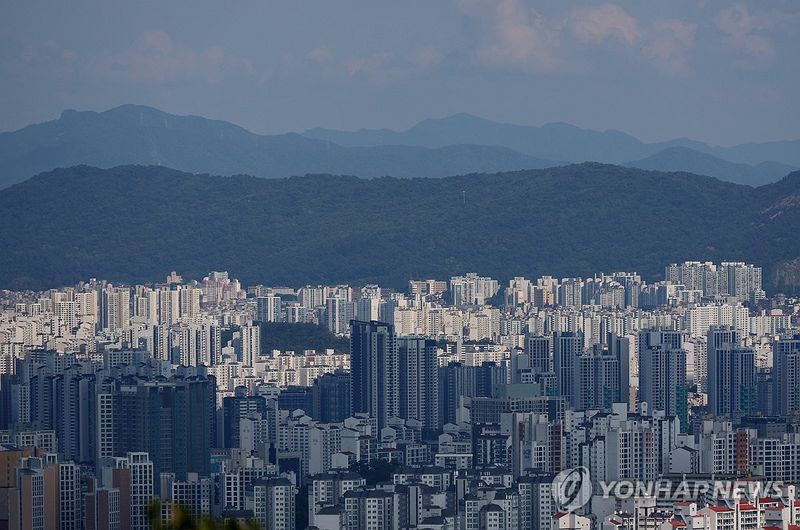
Even more disheartening, prices have shot up even for the drastically reduced number of listings. According to the Korea Real Estate Board, Seoul apartment jeonse prices rose by nearly 10% over roughly the year since October last year.
That 10% figure has a harsh impact on an ordinary household budget. Consider a dual-income couple who found a jeonse home for 500 million won two years ago. To cover a deposit that has risen by 10% and stay in the same neighborhood, they would need an additional 50 million won.
To save 50 million won over two years, they would have to put about 2.08 million won into the bank every month. After paying for their child’s food, English lessons, allowances for both sets of parents, and various utility bills, how many households in their 30s and 40s could consistently set aside more than 2 million won a month?
In the end, they have to turn to a lender. Borrowing 50 million won at an annual interest rate of 5% would mean paying about 208,000 won in interest each month. That comes to 2.5 million won in a year and 5 million won over two years. When 200,000 won is taken out of a stagnant paycheck every month, the reality is that families have to cut back on weekend meals out straight away and pull their child out of at least one arts or sports class.
■ Pushed into monthly rent ... 90 million won gone in five years
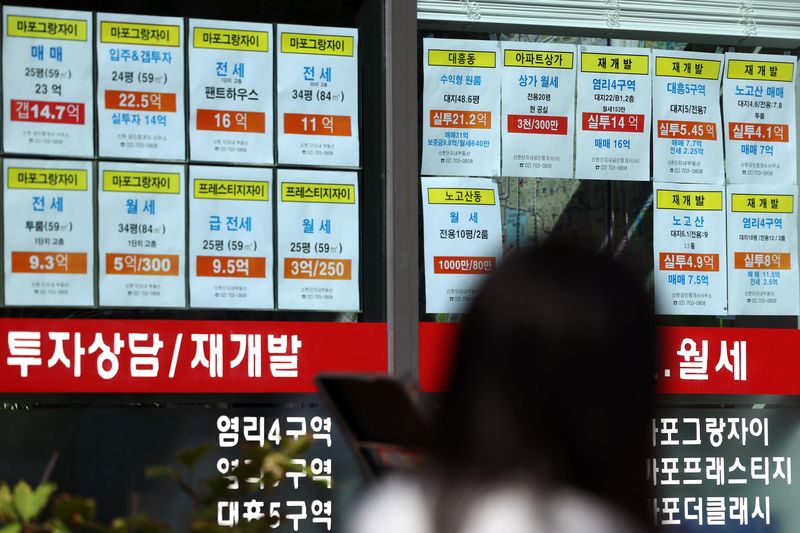
Tenants unable to come up with a lump sum of tens of millions of won are ultimately forced into their last resort: monthly rent.
According to the Ministry of Land, Infrastructure and Transport’s August housing statistics, monthly rentals accounted for 52.3% of Seoul apartment lease transactions from January through August this year, surpassing half. That was an 8.3-percentage-point jump from a year earlier (44%). The increase reflects the combination of landlords’ reluctance to return large jeonse deposits and tenants’ inability to raise a lump sum.
But monthly rent is by no means an easy alternative. Suppose the rent is 1.5 million won a month. That adds up to 18 million won a year and 90 million won over five years.
If the household had saved 1.5 million won a month instead, it would have had a solid 90 million won nest egg after five years.
That money could help prepare for retirement or serve as a stepping stone toward owning a home. But the moment they choose monthly rent, that 90 million won vanishes from their bank account as an expense devoted entirely to housing. It may be the price of having a place to live, but it is a painful opportunity cost that takes away even the chance to build assets.
■ Saving on housing costs means losing evenings with your child

Would all the problems be solved if families, unable to manage high deposits and rent, downsized or moved farther out to a cheaper area?
The deposit may shrink, but family life becomes more strained. The moment parents are pushed out to the outskirts of Gyeonggi, their round-trip commute grows by at least an hour.
By the time they get home exhausted, their child may already be asleep, or they may not have the energy even to look their child in the eye and warmly ask what happened at preschool that day. To save money, they end up giving up the entire precious evening they could have spent together as a family.
On Sunday nights, parents refresh real estate apps on their phones while looking at their sleeping child, their hearts heavy. They are not dreaming of becoming fabulously rich overnight.
Just the everyday life of staying in this familiar neighborhood, watching their child laugh with friends and graduate from preschool, then gathering as a family for dinner after work.
“Could we stay in this neighborhood for just two more years?”
For countless tenants spending the fall of 2026 in Seoul, this ordinary life—something as natural as breathing to some—has become an achingly earnest wish with an exorbitant price tag.
[email protected] Jeon Sang-il Reporter