“Dad, why aren’t those people waiting in line?” ... A 40-something breadwinner swipes his card after his 7-year-old son asks [How Much Does It Cost?]
- Input
- 2026-10-18 09:00:00
- Updated
- 2026-10-18 09:00:00
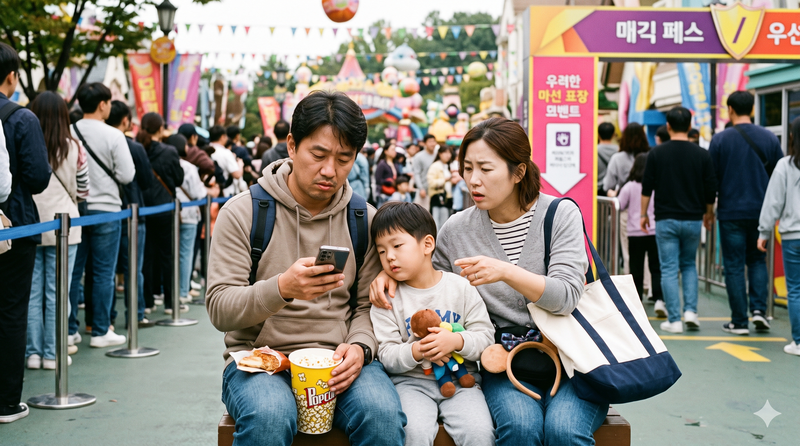
[Financial News] It was a Sunday in the third week of October, with autumn weather in full swing. K, an office worker in his 40s from a dual-income household, took his 7-year-old son by the hand and visited a large theme park somewhere in the Seoul metropolitan area for the first time in a while. With Halloween season also underway, the amusement park was packed to the rafters.
As soon as they entered, they ran to the popular attraction the child liked most, but the sign showed the despair-inducing figure “120-minute wait” in stark clarity.
About an hour later, the child began whining that his legs hurt, and his gaze turned toward the “Premium Gate.”
Unlike the regular queue, people who showed a separate wristband or ticket strolled through an empty passage and boarded the rides right away.
“Dad, why don’t those people have to wait? Can’t we pay and go in that way too?”
That one plaintive question from his whining child was enough: K, exhausted after working late the previous night, opened the app on his smartphone and pressed the button to pay extra. He bought a “priority ride pass,” paying an amount comparable to the park’s admission fee. The K family paid to skip the remaining hour of waiting.
◇ “Admission Is Only the Beginning” ... Capitalism Sells the Right to Cut in Line

South Korea’s large theme parks have now become the most blatant and intuitive “microcosm of capitalism.” In the past, buying just one admission ticket (an all-day pass) meant everyone waited in line equally under the blazing sun—a kind of “equality of time.” But things are different now.
Priority ride passes at major theme parks in South Korea typically cost 40,000 to 50,000 won per person for three to five rides, with admission charged separately. Even if a family of four gets in for just over 100,000 won after receiving an admission discount, buying priority passes because they cannot endure a two-hour queue adds another 150,000 to 200,000 won to the bill. Add 5,000-won churros and popcorn bought inside the park, lunch, character headbands, and parking, and the cost of a day out easily tops 400,000 won.
The all-day pass has become nothing more than the price of admission; the time and energy needed to properly enjoy the park must be bought separately at a premium—a distorted pricing structure that has taken hold.
◇ Sandel’s Warning and the Dilemma of “Time-Poor” Dual-Income Parents
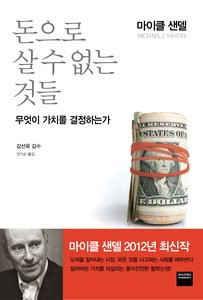
In his book *What Money Can’t Buy*, Harvard professor Michael Sandel, a world-renowned scholar, has strongly criticized theme parks’ practice of selling the right to cut in line (“Fast Track”). His point is that as money overrides all other values, capital is destroying the equal norm of queueing—that those who arrive first get served first.
But for today’s dual-income parents in their 30s and 40s, this kind of broad moral criticism is almost a luxury. They are willing to open their wallets and buy priority passes not out of a sense of privilege or vanity. They do so because they are “time-poor,” desperately short of time and energy.
For dual-income parents, a Sunday at an amusement park is not a proper rest but a high-intensity parenting mission undertaken on the assumption that they will be back at work as usual on Monday. They have already worn down their energy for dealing with a child’s impatience while standing in line for two hours, and their joints for enduring the blazing sun.
In the end, parents suppress the guilt of wondering, “Am I teaching my child about class in capitalism too early?” and take money from their wallets to erase the “waiting time” so they can go to work tomorrow. This is not consumption but a capitalist stopgap for survival.
◇ “We Should’ve Just Gone to the Neighborhood Playground” ... The Reality Check of an 8-Million-Won Monthly Salary
“Honey, we spent more than 400,000 won at the amusement park alone today. Wouldn’t it have been better to grill some Korean beef or go to a kid-friendly pension-style lodge instead?”
On the drive home, the wife saw their child fast asleep in the back seat and sighed as she looked at the card app showing the receipt. Their combined monthly income was 8 million won. They earn by no means a small amount, but the bills from capitalism—run up to make up for the time and energy they lose to working and to preserve their child’s smile—arrive mercilessly every week.
The strange sense of triumph at having bought time with money lasts only a moment; the weekend of the breadwinner in his 40s ends in emptiness as he faces a drained bank account.
They gave up time with their child to earn money, only to have to spend all that money to play with the child during the little time they have. Hidden behind sweet cotton candy and dazzling parades is the cruel “fake income” hamster wheel of South Korea’s dual-income couples in their 30s and 40s.
[email protected] Jeon Sang-il Reporter