Indian police arrest Cockroach Party founder again for leading protests calling for election commission chief to step down
- Input
- 2026-10-17 10:32:11
- Updated
- 2026-10-17 10:32:11
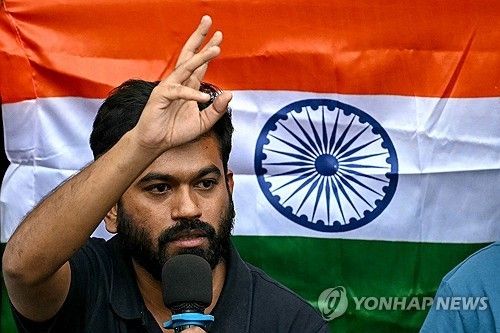
[Financial News] The founder of a Gen Z (born between 1997 and 2007) political movement group that has led protests in India calling for the election commission chief to step down has been arrested by police again.
On the 17th local time, Bloomberg, Reuters and other news agencies reported that Indian police had arrested the previous day Abhijit Dipke, 31, founder of the Indian Gen Z political movement group the Cockroach People's Party (CJP).
Dipke was arrested and taken into custody as he left the house where he was staying to attend a rally in New Delhi. He had previously been detained upon arriving at Delhi International Airport on the 10th, but was later released.
A few hours before the protesters' march began the previous day, Indian police met Dipke and handed him a notice banning the protest. In a video message before his arrest, Dipke said, "Seven or eight Delhi police officers came and handed me a notice saying that I was engaging in illegal activity and could not go wave the tricolor (the Indian flag)," and criticized the authorities, saying, "We don't even have the freedom to wave our national flag."
NDTV, citing a police spokesperson, reported that about 150 protesters had been taken into police custody by the previous evening. Indian authorities said Central Park, the site of the CJP protest, would be closed for two days.
The protests began in Mumbai on the 2nd after Indian outlet The Indian Express first reported allegations concerning the Election Commission's voter rolls last month. Changes to the rolls resulted in 133 million names being removed.
Allegations emerged that large numbers of opposition supporters had been removed from the rolls, prompting suggestions that the Bharatiya Janata Party (BJP), which is led by Prime Minister Modi and is the ruling party in the federal parliament, could gain an advantage in future elections.
The Election Commission of India, however, countered that disagreements among its commissioners were commonplace in any institution and that there had been no impropriety. It had previously explained that the figures included deceased people and migrants, among others.
[email protected] Yu Seon-jun Reporter