“Need to save even a few thousand won” ... People relying on discounted food to get by [Recorder of the Low Places]
- Input
- 2026-10-18 06:00:00
- Updated
- 2026-10-18 06:00:00
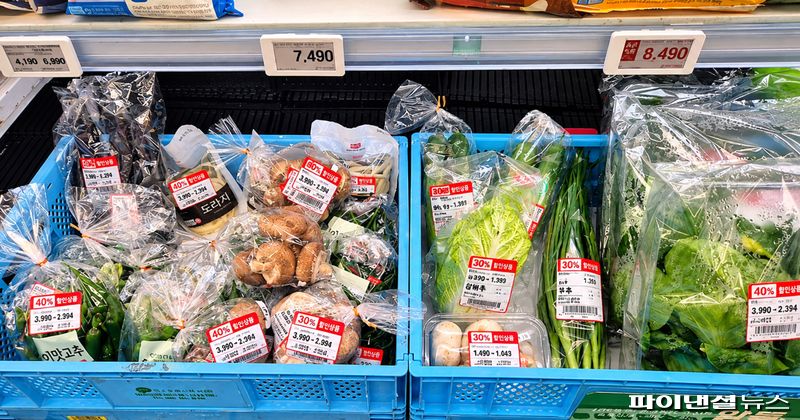
As groceries and living costs become a heavier burden, some people are looking for discounted food at supermarkets. They buy lunch boxes, side dishes, meat and other products nearing their use-by dates at lower prices, either to put a meal on the table or cut their families’ food expenses. From young people who first look for items with discount stickers to middle-aged and older shoppers trying to trim their family grocery bills, we spoke with people we met at supermarkets about their circumstances.
[Financial News]“I’m going to eat it today anyway, so there’s no need to buy something expensive.”A 30-something office worker identified as A, whom we met at a large supermarket in Seoul on the 15th, said they often buy discounted food nearing its use-by date when preparing dinner. Side dishes and ready-to-eat foods that would be too expensive at full price become affordable once they have discount stickers. A said, “After paying rent and maintenance fees and covering other living expenses, food is the first thing I cut,” adding, “I used to choose whatever I felt like eating, but these days I pick from the discounted food.”
As grocery costs rise, some people are buying food from supermarkets’ discount sections. They save on food by buying products at reduced prices when they are nearing their use-by dates or need to be sold that day. Some seek out lower prices, while others rely on discounted products to get through meals and save on living expenses.
The foods supermarkets discount range from ready-to-eat items such as lunch boxes, gimbap and sandwiches to side dishes, meat and dairy products. The timing and size of discounts vary by product and store. Even the same item can cost different amounts depending on when it is purchased.
For people looking for discounted products, the use-by date matters as much as the price. They check whether the food is for that day or can be stored for several days before buying it. Even at a low price, food that cannot be eaten before its use-by date can end up wasting money on groceries.
Young shoppers who first pick out food with discount stickers
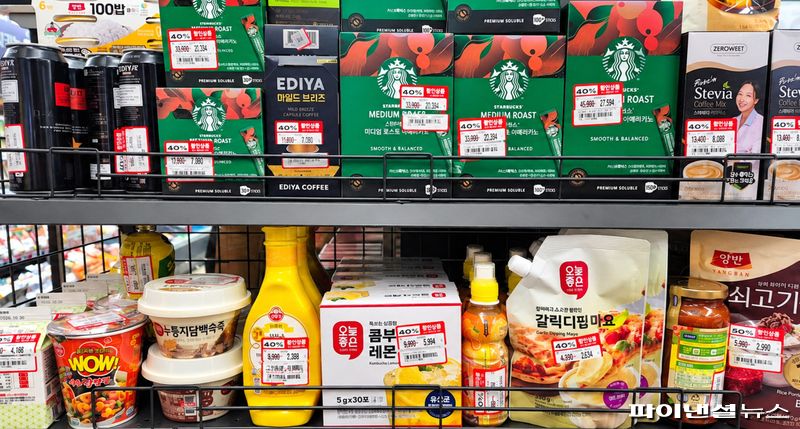
For young people living on their own, eating out and groceries are among the monthly living expenses they have to cover. Some try to cut food costs after paying rent, maintenance fees and phone bills.
B, a 24-year-old college student living on their own, said they get meals by buying discounted lunch boxes or side dishes at the supermarket. “A meal out costs close to 10,000 won, and I can’t eat out like that every time,” they said. “Buying discounted food at the supermarket lets me save even a little.”
They said that buying several ingredients and cooking for themselves can also be a burden, especially when living alone. Foods not sold in small portions have to be split across several meals once purchased, and some may end up being thrown away before they can be finished.
“When I shop for myself, I have to buy this ingredient and that, and it costs more than I expect,” B said. “I often look for discounted side dishes or lunch boxes because I can buy just enough for one meal.”
C, a person in their 20s preparing for a job, also buys discounted food to cut expenses. Eating out is a strain while they are covering living costs with part-time work.
“I usually stop by the supermarket on my way home after my part-time job,” they said. “If there are discounted items, I buy them; if not, I choose the cheapest food.” They added, “Saving a few thousand won at a time isn’t a lot, but since I spend money on food every day, I pay attention to it. Even discounted food is fine if I can eat it.”
The amount people can actually save also depends on the discount rate. A food item regularly priced at 6,000 won can be bought for 4,200 won with a 30% discount. That means saving 1,800 won on one meal. Saving that amount 20 times over a month would add up to 36,000 won.
Stores decide whether to discount items based on inventory, product condition and use-by dates. Some ready-to-eat foods are marked down before the end of the day, but the time discounts begin and the discount rate vary from store to store.
From a consumer’s perspective, which discounted foods are available to buy depends on when they visit the supermarket and what is in stock. If the food they want is unavailable, they have to buy something else or forgo discounted items.
Middle-aged and older shoppers look to discount sections to cut family food costs
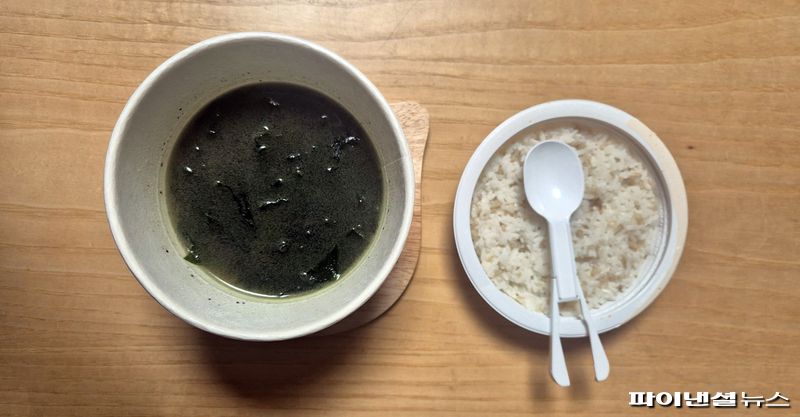
People who buy discounted food are not limited to younger shoppers. Middle-aged and older people also use discount sections when preparing meals for their families or trying to reduce living expenses after retirement.
D, a homemaker in her 50s, said she checks discounted items first when grocery shopping. The price difference can be significant because families buy larger quantities of meat and side dishes to share. “Buy a few kinds of meat or side dishes, and it quickly adds up to tens of thousands of won,” she said. “If it’s food we’ll eat that day, it’s better to buy it on sale.”
However, she said she does not buy food nearing its use-by date indiscriminately. She buys only what the family needs, taking into account how much they will eat, and checks the condition of foods that need to be refrigerated or frozen.
“If you buy several things just because they’re cheap and can’t finish them, you end up throwing them away,” she said. “I focus on side dishes we’ll eat that day or meat I can cook right away.”
Grocery spending rises ... Food costs weigh more heavily on lower-income households
The burden of grocery costs is also reflected in recent household spending statistics. According to the Household Trends Survey for the Second Quarter of 2026, released in August by the National Data Office, average monthly spending on food and nonalcoholic beverages among households with one or more members nationwide totaled 434,000 won in the second quarter of this year. That was up 2.8% from the same period last year.
Average monthly consumption spending for all households rose 3.4% year on year to 2,932,000 won. Spending on restaurants and lodging also increased 3.5% over the same period.
The burden of grocery costs also differed by income level. Households in the first quintile, the bottom 20% by income, spent 21.1% of their total consumption expenditure on food and nonalcoholic beverages. By contrast, the share for households in the fifth quintile, the top 20%, was 12.0%.
Average monthly consumption spending for first-quintile households was 1,372,000 won. Food and nonalcoholic beverages accounted for a share 9.1 percentage points higher than in fifth-quintile households. In other words, the lower a household’s income, the larger the share of its total spending that goes to groceries.
Food prices were also higher than a year earlier. According to the National Data Office’s Consumer Price Trends for September 2026, the Consumer Price Index rose 2.9% year on year last month. The Living Cost Index rose 2.5%, while food, a component of the living-cost basket, increased 1.6%.
However, not all food prices went up. The Fresh Food Index fell 3.3% from the same month last year. Prices varied by category: fresh fruit fell 11.1%, while fresh fish and shellfish rose 5.0%.
Check use-by dates and storage instructions when buying discounted food
Even when food is inexpensive, care is needed in storing and consuming products nearing their use-by dates.
Refrigerated foods in particular must be kept at the proper temperature after purchase. Food can spoil if the specified storage conditions are not followed, even before its use-by date.
Foods with a short storage life, such as lunch boxes and gimbap, should be eaten as soon as possible after purchase. Check the use-by dates on meat and dairy products as well, and follow the storage instructions on the packaging. Do not eat a product if its packaging is damaged or its condition appears abnormal, including its smell or color.
When buying discounted products, consider not only the price but also whether you can eat the amount before the use-by date. Buying several items just because they are cheap and then throwing away what you cannot finish can actually increase your food expenses.
A, the office worker we met earlier, also said they choose only the amount they need when buying discounted products. “I used to buy several things on sale, but there were times I couldn’t finish them and had to throw them away,” they said. “These days, I only buy what I’ll eat that day.”
A emphasized, “A lot of my salary goes to fixed expenses, so I have to cut even what I spend on food. If it’s food I’ll eat today, it’s better to buy it on sale. I think I’ll keep checking the discounted items first whenever I come to the supermarket.”
We record compelling stories of life in print. Even when the words are rough around the edges, we faithfully capture what we hear in the field. From alleys and markets to someone’s workplace, records of the ordinary days we have passed by find their way to you, our readers.[Recorder of the Low Places]To receive it conveniently, subscribe to the reporter’s page.
[email protected] Han Seung-gon Reporter