South Korea’s Russian LNG imports in September hit their highest level since November 2021 amid Qatar supply disruptions
- Input
- 2026-10-17 00:50:23
- Updated
- 2026-10-17 00:50:23
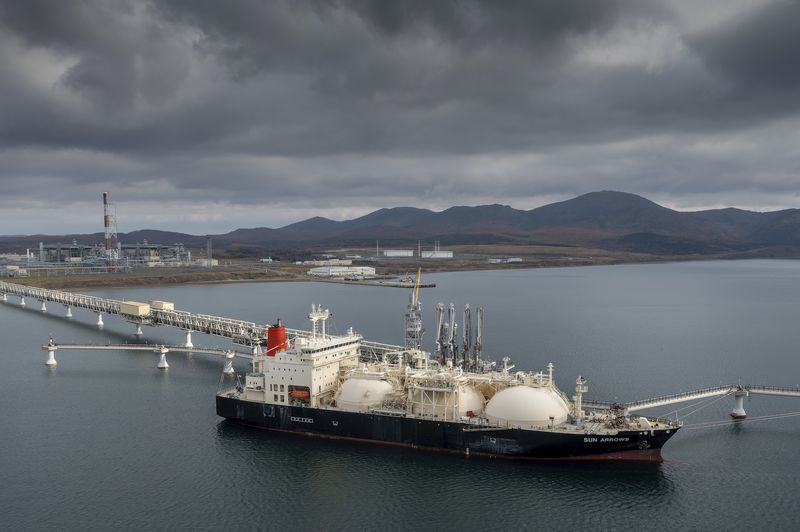
[Financial News] South Korea’s imports of Russian liquefied natural gas (LNG) last September reached their highest level in about four years and 10 months, since November 2021. The increase is believed to reflect efforts to make up for lost supplies from Qatar, a key supplier, after the country halted production amid the fallout from conflict in the Middle East.
■ Russian imports surge as Qatar declares force majeure
According to a report by Russia’s state-run TASS news agency on the 16th (local time), citing data from the Korea Customs Service, South Korea imported 326,000 tonnes of LNG from Russia last September, worth $250 million (about 333.3 billion won). This was the highest monthly import volume since November 2021 and the largest since the war in Ukraine began in February 2022.
The increase in imports stemmed from risks involving Qatar, previously a major supplier. Qatar halted operations at its LNG production facilities last March in the wake of Iranian airstrikes, and imports of Qatari gas into South Korea have been completely suspended after state-owned energy company QatarEnergy declared force majeure with regard to supplies.
■ Total September imports reach 3.56 million tonnes ... South Korea scrambles to diversify sources, including Australia and the United States
South Korea’s total LNG imports in September stood at 3.56 million tonnes (about $3 billion), down 8% from the same month a year earlier but up 14% from the previous month.
By country of origin, Australia ranked first with 1.33 million tonnes, followed by the United States (436,000 tonnes), Canada (426,000 tonnes), Malaysia (414,000 tonnes) and Peru (203,000 tonnes). South Korea also imported 165,000 tonnes re-exported from China and 123,000 tonnes from Indonesia, continuing efforts to diversify its sources of supply.
Despite the temporary increase in September, cumulative imports this year have been trending downward. From January to September, South Korea’s total LNG imports amounted to 32.9 million tonnes (about $20.6 billion), down 6.4% from the same period a year earlier. Russian LNG imports over the same period also fell 12.7% year on year to 1.41 million tonnes (about $853 million), according to the figures.
■ Outlook for Russian LNG imports amid Western sanctions
Russia currently operates major production facilities, including Sakhalin-2 in the Far East and Yamal LNG on the Arctic coast. Other facilities, including Arctic LNG 2, which is subject to U.S. sanctions, and Gazprom LNG Portovaya on the Baltic Sea, are also facing intense pressure from the West.
The European Union (EU) and the United Kingdom plan to completely ban the provision of shipping and insurance services for Russian LNG starting next January as part of sanctions against Russia. However, to ensure stable energy supplies to South Korea and Japan, they have decided to exempt LNG imported under existing long-term contracts from sanctions until March 31, 2028. As a result, domestic supplies are not expected to be disrupted for the time being.
[email protected] Park Ji-hyun Reporter