Starting in December, first-time patients can also receive telemedicine—only at clinics in the same city or province, with prescriptions limited to 7 days
- Input
- 2026-10-18 12:00:00
- Updated
- 2026-10-18 12:00:00
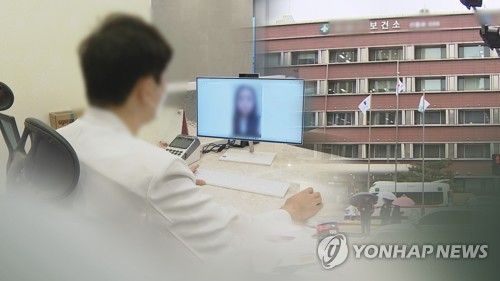
[Financial News] Starting December 24, patients receiving care for the first time will also be able to get telemedicine from local clinics in the same city or province. Prescriptions issued during initial telemedicine consultations will generally be limited to 7 days, and narcotics and obesity medications cannot be prescribed remotely. The Ministry of Health and Welfare will begin soliciting public comments on draft partial amendments to the Enforcement Rule of the Medical Service Act and other regulations on the 19th.
The amendments set out details—including which patients are eligible, prescription criteria, requirements for medical institutions providing telemedicine, and reporting and certification for intermediary platforms—to ensure telemedicine can be provided safely while maintaining the principle of in-person care, as required under the amended Medical Service Act, which takes effect on December 24. The public comment period runs through November 9.
First visits at local clinics can also be conducted on screen... No narcotics or obesity medications
Telemedicine is divided into “regular” and “initial” consultations. Regular telemedicine is available to patients who have received in-person care for the same symptoms at the medical institution within the past six months.
Patients who do not meet these criteria may receive initial telemedicine care if the address on their resident registration and the medical institution are in the same city or province. If they have registered their actual place of residence in the telemedicine support system, that address will be used instead. Patients with rare diseases, people with type 1 diabetes, registered persons with disabilities, and long-term care beneficiaries, among others, may receive initial telemedicine care from medical institutions in other cities or provinces as well.
As a rule, telemedicine is provided at clinic-level medical institutions. However, patients with rare diseases or those who need follow-up monitoring after surgery or a procedure, among others, may also receive it at hospital-level institutions.
Prescriptions issued during initial telemedicine consultations will generally cover no more than 7 days. If the patient’s treatment and prescription history for the condition is confirmed and the doctor determines that continuing the existing treatment is necessary, a prescription for up to 30 days may be issued once. Prescribing narcotics and psychotropic drugs, medicines at risk of misuse, and obesity medications is generally prohibited; the Minister of Health and Welfare will designate other medicines at risk of misuse by public notice. Narcotics and psychotropic drugs may exceptionally be prescribed when essential for the treatment of patients with rare diseases and others, provided certain requirements are met.
The number of telemedicine consultations at a medical institution is capped at 30% of all consultations in each half-year. The monthly average number of telemedicine consultations per healthcare professional in each half-year is capped at 500 for physicians and 130 for dentists and Korean medicine doctors; consultations at night and on holidays, among others, are excluded from these limits. Before providing care, healthcare professionals must verify the patient’s identity and eligibility. Consultations are to be conducted by video as a rule, with audio-only calls permitted in certain cases.
Drug delivery and platforms also to be regulated... Certification required once users exceed 100,000
The amendments will also establish which areas may allow medicines to be handed over outside pharmacies and provide a legal basis for delegating the handover work. They also set requirements, including medication counseling by pharmacy operators and terms of service for delivery providers. Practices that induce patients, such as providing medicines free of charge, and kickbacks from delivery providers will be prohibited, and the Korean Pharmaceutical Association will draw up standard guidelines for handing over medicines. The Ministry of Health and Welfare also plans to pursue amendments to the Pharmaceutical Affairs Act to prevent pharmacies dedicated to telemedicine and similar practices.
Operators of telemedicine intermediary platforms must report their platform’s name, operating methods, fees, and information security measures, among other details. Platforms with 100,000 or more cumulative registered users must apply for certification, and will be assessed on the suitability of their intermediary functions, identity verification procedures, information protection, and operational soundness.
The draft amendments to the Rules on Administrative Measures Related to Medical Affairs include intermediary operators among those subject to administrative measures. Medical institutions that violate requirements concerning eligible patients, prescription restrictions, or video consultations will be ordered to take corrective action. Intermediary operators that breach reporting or certification requirements or improperly handle personal information may face corrective orders, business suspensions, or revocation of acceptance of their filings, among other measures.
The draft amendments to the Enforcement Decree set out the conditions and procedures for temporarily easing telemedicine requirements when a crisis alert is issued at the Serious level, when an alert is issued at the Alert level due to the spread of an infectious disease, or when in-person care becomes significantly difficult because of a large-scale disaster or a disruption in medical supplies. The related work will be delegated respectively to the Health Insurance Review and Assessment Service (HIRA) for submission of records of non-covered care; the National Health Insurance Service (NHIS) for the establishment and operation of the telemedicine support system and electronic prescription transmission system; and the Korea Health Information Service for receiving platform reports and conducting certification assessments and investigations.
[email protected] Jung Myung-jin, medical correspondent Reporter