[Editorial] Seoul Home Prices Will Keep Rising Unless a Breakthrough Supply Plan Is Unveiled
- Input
- 2026-10-16 16:30:00
- Updated
- 2026-10-16 16:30:00
[Financial News] On the 16th, the government held its first regular briefing on housing supply and disclosed its supply figures and future plans. It reportedly plans to hold briefings twice a month and build a digital dashboard showing progress from permits and groundbreaking through sales and move-ins. Strengthening communication with the market amid growing anxiety over home prices is welcome. But what matters is concrete results.
The supply figures disclosed that day also contain plenty of cause for concern. The government had pledged, through three supply measures announced earlier, to begin construction on at least 1.5 million homes in the capital region by 2030. Its target for housing starts this year is 268,000. But actual starts totaled just 99,000, or 37% of the target. The government itself projected that it would start construction on 218,000 to 235,000 homes by the end of the year. In other words, the shortfall against the original target could be 33,000 to 50,000 homes. Of the 62,000 public housing units targeted for this year, construction has begun on only 16,200, leaving progress at 26%. It is unclear how much of the planned supply can actually move into construction during the time remaining.
It is welcome news that some supply indicators have improved. From the start of the year through August, housing permits in Seoul totaled 40,000 and housing starts 21,000, up 40% and 41%, respectively, from the same period last year. However, Seoul’s housing starts are only a little over half the 39,000 average for the same period over the past 10 years. The government said it aims to facilitate move-ins for 100,000 publicly supported homes in the capital region by the end of next year, but 74,000 of those are jeonse and purchased rental homes. Since this includes rental arrangements that use existing homes, not all 100,000 units will be newly built. Supplying rental housing to ensure stable housing for lower-income households is important, but expanding supply through new home construction is essential to stabilizing home prices.
The limits of relying solely on public housing supply are also clear. This year, construction has begun on just 17,000 homes in private-sector redevelopment projects in the capital region, against a target of 72,000. It is urgent to address factors delaying projects, including by promoting reconstruction and redevelopment and streamlining permitting procedures. In particular, the government must consider how to increase supply in central Seoul, where demand is concentrated.
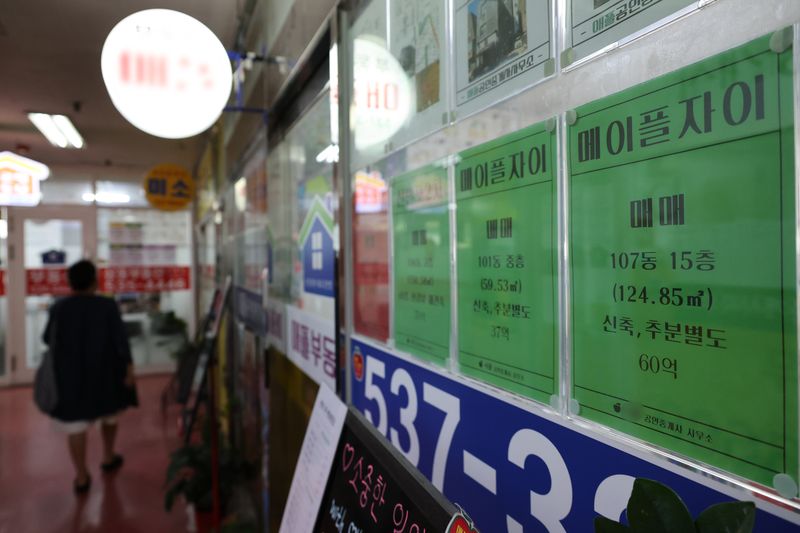
The government has focused on measures to curb demand, including lending restrictions and the land transaction permit system, to stabilize home prices. But rather than stabilizing, apartment prices in Seoul have risen for 88 consecutive weeks. The upswing has now spread to Seoul’s outskirts. Even if home prices in the Gangnam area, which have already climbed steeply, fall somewhat, what comfort would that be to people without homes? If the government only suppresses demand and fails to increase supply in time, market instability will inevitably recur. Restoring confidence in its supply pledges is an urgent priority. The government must disclose the causes of supply delays fully and without glossing over them, and accelerate implementation so that the regular briefings do not amount to little more than publicity for its results.