Up to 70% of Chuja-do ferry route operating losses to be covered; crisis over same-day round trips remains
- Input
- 2026-10-16 12:30:12
- Updated
- 2026-10-16 12:30:12
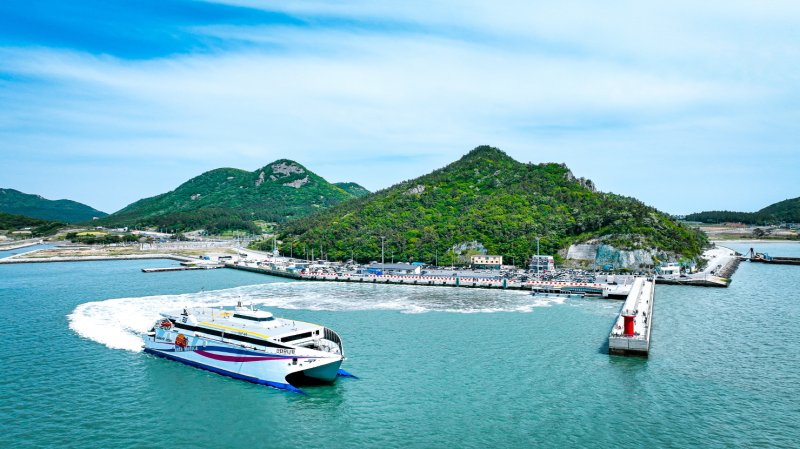
【The Financial News, Jeju = Reporter Jeong Yong-bok】 The government will cover up to 70% of the operating losses on the Jeju–Chuja–Wando passenger route, which has recorded losses for two consecutive years. The route, which carries heavy vehicles and daily necessities, has been included in the support program. But concerns about a gap in maritime transportation remain, as Santa Monica, which helps Chuja-do residents make same-day round trips to Jeju’s main island, is set to end service at year-end.
According to the Ministry of Oceans and Fisheries on the 16th, the Jeju–Chuja–Wando route has been added to the 2026 second-half Coastal Passenger Route Stabilization Support Program. The government plans to cover up to 70% of the route’s operating losses, within the limits of the budget.
The vessel eligible for support is Songnim Blue Ocean, operated by Songnim Shipping Co., Ltd. The ferry, which began service in May 2024, connects Jeju, Chuja-do and Wando in South Jeolla Province, carrying passengers, vehicles and daily necessities.
The problem is that operating revenue alone is not enough to cover costs. Songnim Blue Ocean has continued to incur operating losses since it began service, recording deficits for two consecutive years. If the ferry service is suspended, it could disrupt not only residents’ travel but also the transport of daily necessities and heavy vehicles to and from the island.
Songnim Blue Ocean differs significantly from other ferries that call at Chuja-do in its vehicle-carrying capacity. Santa Monica, which operates on the Jindo–Chuja–Jeju route, can carry only vehicles weighing up to 1 ton, while Songnim Blue Ocean can carry vehicles weighing up to 25 tons.
On islands like Chuja-do, which are not connected to other areas by land transportation networks, ferries serve both residents’ travel needs and the transport of everyday goods. If a route capable of carrying heavy vehicles is discontinued, this could constrain not only passenger travel but also the transport of vehicles and goods.
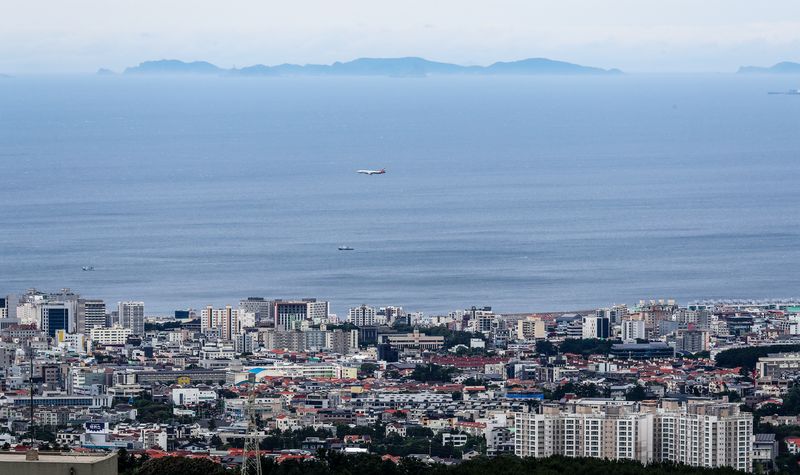
The government’s support focuses on keeping privately operated passenger routes running when deficits put them at risk of suspension. An operating deficit is a loss incurred when a ferry operator’s revenue from running passenger services is insufficient to cover the associated costs.
The Ministry of Oceans and Fisheries has operated the Coastal Passenger Route Stabilization Support Program since 2018. The program is divided into ‘routes for establishing a one-day living sphere,’ which receive support to enable island residents to travel to and from the mainland within a day, and ‘deficit routes,’ where support aims to prevent the suspension of routes with continuing losses.
The newly selected Jeju–Chuja–Wando route falls into the deficit-route category. The government added the Jeju route to the 10 existing deficit routes eligible for support. The decision followed a review by a route selection committee that included academics, research institutions and field experts, after applications were accepted from August 18 to 28. Under the program, the government covers part of the operating costs so that private ferry operators’ deficits do not result in transportation difficulties for island residents.
However, this support will not resolve the issue of same-day round trips for Chuja-do residents. That is because it remains uncertain whether Santa Monica, which operates separately from Songnim Blue Ocean, will continue service.
According to materials released on the 12th by Moon Dae-rim, a Democratic Party of Korea lawmaker and member of the National Assembly’s Agriculture, Food, Rural Affairs, Oceans and Fisheries Committee, Seaworld, the operator of Santa Monica, notified Jeju Province of its plan to end service on December 31 this year, citing the burden of operating losses and other factors.
Santa Monica’s service was suspended for 149 days, from October last year through March this year. Jeju Province provided 1.95 billion won in operating-deficit support to resume service this year, but the operator has again announced plans to end service at year-end.
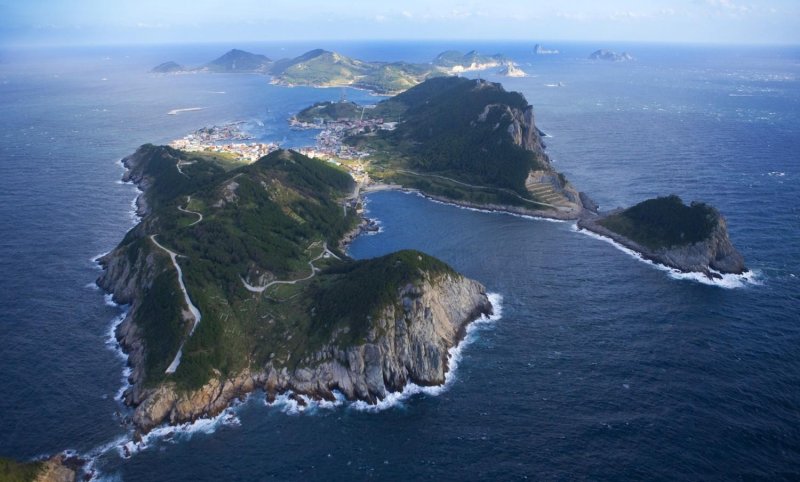
Even if Songnim Blue Ocean remains in service, concerns have been raised that Chuja-do residents would have difficulty returning the same day under its existing schedule after medical appointments or work related to their livelihoods in Jeju. This is why the issue of maintaining a route that carries heavy vehicles and daily necessities must be treated separately from ensuring residents can make same-day round trips.
The government’s support period has also been set through November 30 this year. The list of routes eligible for support specifies that Songnim Blue Ocean’s support period runs from June 1 through November 30.
Therefore, being included in this year’s deficit-compensation program does not in itself guarantee that the route will operate next year. Separate plans are needed for operating the route after the support period and securing alternative transportation ahead of Santa Monica’s planned end of service at year-end.
Moon Dae-rim called for increased national funding, securing a replacement vessel capable of actually operating, and consideration of designating the route as a state-subsidized route in preparation for the suspension of Santa Monica’s service. A state-subsidized route is a system under which the government provides funding to maintain maritime transportation on routes that are difficult to sustain through private operation alone.
Kim Hye-jeong, director-general of the Shipping and Logistics Bureau at the Ministry of Oceans and Fisheries, said, “Wherever people in our country live, they should be able to travel easily to the places they need to go and receive the supplies they need for daily life,” adding, “We will support island residents’ right to transportation by assisting deficit routes.”
The key challenge for Chuja-do’s maritime transportation is to reduce ferry operating losses while ensuring residents can travel between the island and Jeju’s main island at the times they need to. If the government’s latest support is a measure to maintain a route carrying heavy vehicles and daily necessities, follow-up measures for the ferry set to end service at year-end remain an issue that still needs to be addressed.
[email protected] Jeong Yong-bok Reporter