Seoul Central Prosecution Office Reorganizes Work Assignments to Coincide with Serious Crime Investigation Agency Launch, Overhauls Serious Crime Response System
- Input
- 2026-10-16 14:01:53
- Updated
- 2026-10-16 14:01:53
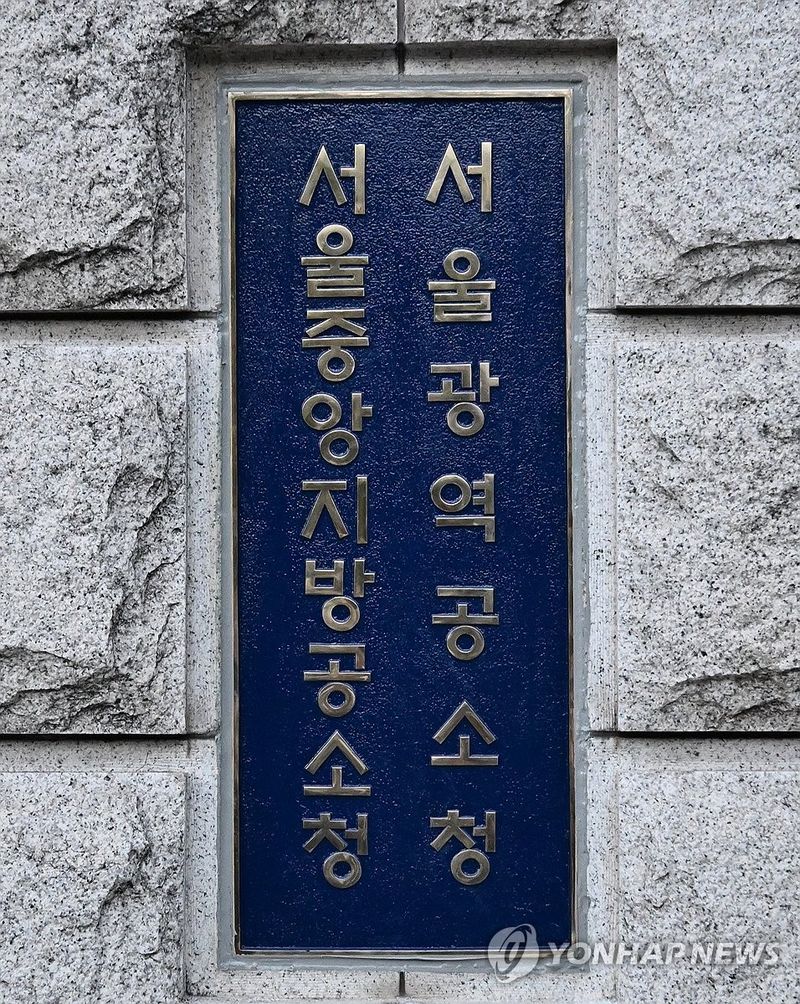
[Financial News] The Seoul Central District Prosecution Office (formerly the Seoul Central District Prosecutors' Office) has reorganized its internal work assignments in line with the launch of the Serious Crime Investigation Agency (SCIA), reshuffling the duties of its Serious Crime Prosecution Division and strengthening its response to major civic disasters and crimes causing multiple victims among ordinary citizens.
The Seoul Central Prosecution Office said on the 16th, “In response to changes in the criminal justice system and an organizational restructuring, we have drawn up a work allocation plan to overhaul the serious crime response system and strengthen public safety and trial and litigation functions. It has been in effect since the 2nd.”
First, the dedicated responsibilities of the six units in the Serious Crime Prosecution Division have been specified. Unit 1 will handle public-sector and corruption cases; Unit 2, corporate and economic cases; Unit 3, narcotics and violent crime; Unit 4, fair trade; Unit 5, foreign affairs and information technology; and Unit 6, tax cases. The plan is to work with the relevant investigative units of the Serious Crime Investigation Agency and handle cases from assessing allegations through warrants, requests for supplementary investigations and maintaining prosecutions. It said cases that, exceptionally, are eligible for continued investigation for 90 days would be handled comprehensively.
However, the number of prosecutors actually working in the Serious Crime Prosecution Division has fallen by nine (24.3%), from 37 to 28. The decrease reflects natural attrition resulting from transfers to the Serious Crime Investigation Agency, as well as staff reassignments to the Non-Referral Review Division and the Trial and Litigation Division.
Public Investigation Divisions 1–3 have been consolidated and reorganized into Public and Criminal Divisions 1–2. The portfolio for major industrial accident cases, previously handled exclusively by Public Investigation Division 3, has been renamed “Industrial Safety” and will be shared by the two divisions. The channel for coordination with the labor office has been consolidated under Unit 2.
However, given that the statute of limitations for cases related to the June 3 local elections expires on December 3, Unit 1 will handle national security, labor and group-related cases for the time being, while Unit 2 will handle election and political party finance cases.
The Criminal Divisions have also strengthened their dedicated focus on major civic disasters and crimes causing multiple victims among ordinary citizens. The responsibility has been elevated from assigning individual prosecutors to serve as specialists to making it a core portfolio of Criminal Divisions 2, 4, 5 and 8. Divisions 2, 5 and 8 will handle major civic disasters, while Division 4 will handle crimes causing multiple victims among ordinary citizens.
To strengthen the function of maintaining prosecutions, some prosecutors from the investigative divisions have been reassigned to trial divisions. Responsibility for public-interest representative litigation, previously handled by the Planning Office, has also been transferred to Trial and Litigation Division 3.
The Seoul Central Prosecution Office said, “We will continue to work with relevant agencies to ensure there are no gaps in the national response to crime.”
[email protected] Choi Eun-sol Reporter