Japanese stocks rebound as ‘CoreWeave shock’ subsides; Nikkei up 1.75%
- Input
- 2026-10-16 12:09:08
- Updated
- 2026-10-16 12:09:08
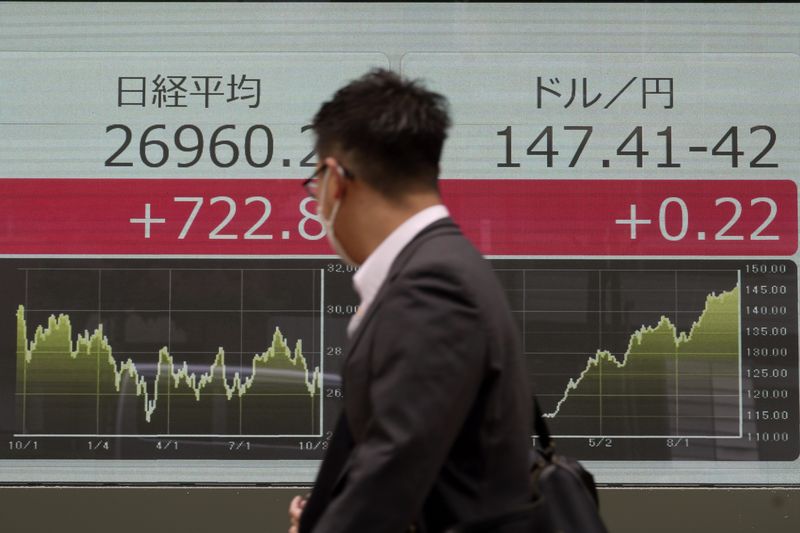
【Financial News Tokyo = Correspondent Seo Hye-jin】 Japanese stocks rebounded on the 16th, a day after plunging on the “CoreWeave shock.” Buying flowed into AI and semiconductor stocks as concerns about the financial health of U.S. AI cloud provider CoreWeave eased somewhat. However, with debate over overinvestment in AI infrastructure continuing, some caution that it is too early to be optimistic about a sustained rebound.
The Nikkei 225 Stock Average (the Nikkei) finished the morning session on the Tokyo Stock Exchange up 1,124.73 points (1.75%) at 65,550.68, compared with the previous trading day. Its intraday gain at one point exceeded 1,200 points. The TOPIX also rose 1.83% to 4,072.71.
The rebound was driven by a recovery in U.S. technology stocks. On the 15th (local time), the Nasdaq rose on Wall Street for the first time in four trading days. CoreWeave, which had faced credit concerns after a sharp drop in its corporate bond prices, also gained 5.9%. Investor sentiment improved as Nvidia CEO Jensen Huang, whose company has invested in CoreWeave, expressed optimism about its financial situation.
In Tokyo, short-covering by short-term investors poured into AI- and semiconductor-related stocks, including Tokyo Electron, SoftBank Group and Ibiden. The Kospi’s rise of more than 3% after its sharp drop the previous day also bolstered appetite for semiconductor stocks.
Bargain hunting also came into the market after the Nikkei recorded its third-largest decline on record the previous day. On the Prime Market, 1,339 stocks advanced, accounting for about 86% of the total. Shares of consulting firm BayCurrent and software quality assurance firm SHIFT, both of which reported earnings, hit their daily upper price limits. A pause in the rise of Japanese long-term interest rates also supported the market.
However, strong buying did not extend across AI and semiconductor stocks as a whole. Advantest, a semiconductor testing equipment maker, even turned lower during the session. The market is focused on whether increased AI investment is translating into actual profits.
A strategist at a Japanese securities firm told Nikkei, “Concerns about overinvestment in AI infrastructure have not been dispelled,” adding, “It will be difficult to buy related stocks aggressively until we can assess from Meta Platforms’ quarterly results, due on the 21st, and other reports whether AI investments are generating commensurate returns.”
[email protected] Seo Hye-jin Reporter