“Stomach felt like it would burst after a hamburger” ... Thought it was gallstones, but the culprit was “this bug”
- Input
- 2026-10-16 19:00:00
- Updated
- 2026-10-16 19:00:00
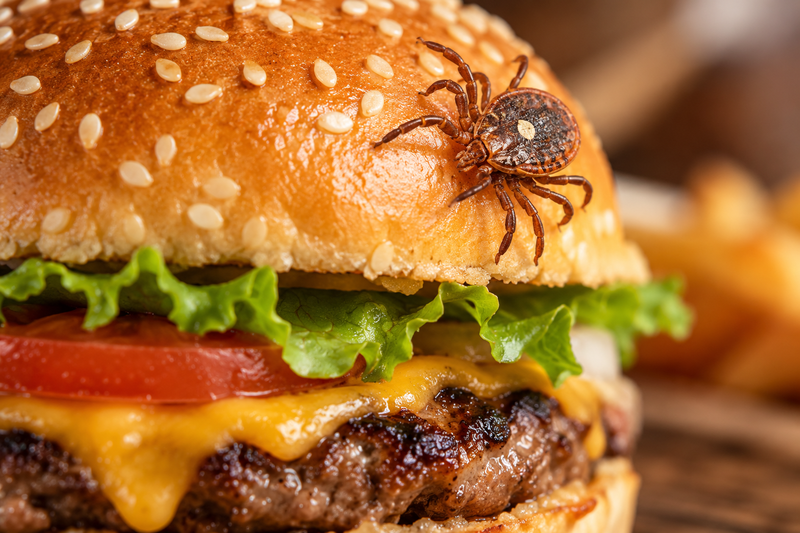
[Financial News] What if hamburgers and sausages you had eaten without a problem all your life suddenly caused severe abdominal pain one day? It may be easy to dismiss it as simple food poisoning or indigestion, but the unexpected cause could be a small “tick” that attached itself to your body a few weeks earlier.
The story has emerged of a woman in the United States who suffered severe abdominal pain whenever she ate beef or pork and was diagnosed with a rare allergic condition triggered by tick bites: alpha-gal syndrome.
According to People magazine and CBS, among other outlets, on the 9th local time, Angela Lundy, who lives in Pennsylvania, first noticed something was wrong after eating sausage in June. A week later, after sharing a hamburger with her husband, she experienced severe abdominal pain for three hours—so intense that it woke her from sleep. At first, she suspected gallstones or another digestive disorder, but her test results were normal.
As she suffered without knowing the cause, an acquaintance offered her some unexpected advice: “A tick bite can cause a meat allergy.” Only then did Lundy recall being bitten by a tick in early June and suffering severe itching. A blood test led to a final diagnosis of alpha-gal syndrome.
■ Just one tick bite ... and beef and pork become “allergy foods”
Alpha-gal syndrome is a condition in which people develop allergic reactions to the meat of mammals such as cattle, pigs and sheep after being bitten by certain ticks. It is caused by a sugar molecule called galactose-alpha-1,3-galactose, or alpha-gal for short. Alpha-gal is found in most mammals but is not naturally produced in the human body.
The problem is that alpha-gal is also present in the saliva of some ticks. When alpha-gal enters the body through a tick bite, the immune system recognizes it as a threat and goes on the defensive. Later, when a person eats beef or pork, the immune system reacts intensely, causing allergic symptoms such as hives, vomiting and abdominal pain.
According to the U.S. Centers for Disease Control and Prevention (CDC), the syndrome is known to develop primarily after bites from Lone Star ticks.
■ Felt fine after eating meat, then ended up in the ER in the middle of the night ... Delayed symptoms pose a greater danger
Alpha-gal syndrome can be life-threatening because, unlike typical food allergies, its symptoms appear “later.” Most allergic reactions occur soon after eating the triggering food, but alpha-gal syndrome symptoms do not appear until about 2–6 hours after eating meat. This means someone can eat meat for dinner, go to bed feeling fine and then wake up in the middle of the night in severe pain. Because of the time lag, it can be difficult for patients to realize that meat is the cause.
Symptoms range from mild indigestion to severe abdominal pain, diarrhea and hives all over the body. The most serious is anaphylaxis, an acute allergic reaction affecting the whole body. Blood pressure can drop sharply, breathing can become difficult and, in severe cases, the reaction can be life-threatening. Moreover, the same symptoms do not necessarily occur every time a person eats meat, making it easy to let one’s guard down.
■ Up to 450,000 people estimated to be affected in the U.S. alone ... Milk and gelatin also require caution
Simply avoiding meat is not enough to manage this condition. People may also react to milk and dairy products from mammals, as well as foods and medications containing gelatin, so caution is needed. (However, the foods and products to avoid should be determined in consultation with a specialist, depending on the severity of the reaction.)
The U.S. CDC estimates that up to 450,000 Americans may be affected by alpha-gal syndrome. There is currently no preventive vaccine or definitive treatment, so the only way to manage it is to strictly avoid the triggering foods and prevent further tick bites. Patients with severe cases may also be prescribed an epinephrine auto-injector in case of an emergency.
If you have been bitten by a tick after spending time outdoors and repeatedly experience unexplained abdominal pain or hives several hours after eating meat, do not dismiss it as simple indigestion; it is best to see an allergy specialist and get properly tested. Never underestimate the fact that a single small tick can completely change the body’s immune map of foods it has enjoyed all its life.
[email protected] Jeon Sang-il Reporter