Seoul City: “57% of redevelopment zones canceled under Park Won-soon were behind the housing supply shortage”
- Input
- 2026-10-16 10:00:00
- Updated
- 2026-10-16 10:00:00
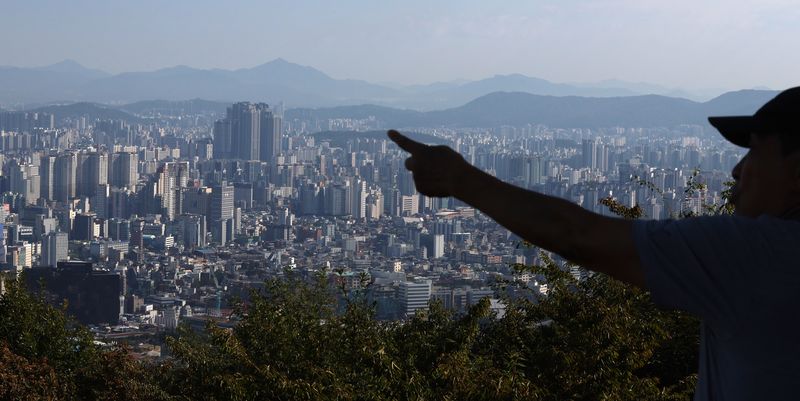
The Seoul Metropolitan Government released a white paper on the 16th titled ‘A 20-Year Evaluation and Reflection on Seoul’s Housing Supply Policy.’ It contains data analyzing how the substantial resources invested in canceling redevelopment zones and urban regeneration led to a reduced supply base and fewer housing starts.
In the white paper, the city analyzed the expansion of the supply base through New Town projects from 2006 through this year, as well as the status and problems of the reduced supply base resulting from the previous mayor’s cancellation of redevelopment zones.
According to the city, during Oh Se-hoon’s first term as mayor, it drew up plans to supply a total of 309,000 homes across 35 New Town and Balanced Development Promotion Districts and 297 redevelopment zones. However, the housing supply base through existing redevelopment projects was greatly reduced under Park Won-soon’s administration, the city said. It said 389 of the 683 redevelopment zones in total were canceled between 2012 and 2020. The Seoul Metropolitan Government says redevelopment projects are now being pursued again in 177 of the 389 canceled zones.
The white paper said it identified cases in which residents’ wishes and procedural legitimacy were not sufficiently secured during the cancellation of redevelopment zones. Of the 389 canceled zones, Type B—where opinion surveys, including requests from residents, were conducted but procedures were inadequate—accounted for 264 zones (68%); Type A—66 zones (17%)—were canceled ex officio on grounds such as ordinance amendments, without resident opinion surveys; and Type C, canceled under the sunset clause, accounted for 59 zones (15%).
This led to fewer housing starts. The Seoul Metropolitan Government said the annual average number of homes starting construction through redevelopment projects fell from 29,000 in 2016–2020 to 15,000 in 2021–2025.
The city says it has pursued the normalization of redevelopment projects as a key housing supply priority since 2021, when Mayor Oh Se-hoon took office. In May 2021, shortly after taking office, he announced ‘Six Measures to Ease Regulations to Revitalize Redevelopment.’
During the eighth popularly elected administration, the city narrowed regional disparities in project feasibility by introducing project feasibility adjustment coefficients, recognizing existing floor area ratios and easing public contribution burdens, among other measures. The number of designated redevelopment zones rose to 172 in 2021–2025, more than double the 77 recorded in the previous five-year period, 2016–2020.
The city plans to marshal all its administrative resources to meet its goal of supplying 310,000 homes by 2031 by resolving delays at each project stage and ensuring projects proceed without disruption through construction starts and completion. Myeong No-jun, head of the Seoul Metropolitan Government’s Housing Office, said, “Building on the lessons of past policies and the voices of residents, we will work to maintain a stable housing supply base and ensure it contributes to housing stability for citizens.”
[email protected] Kwon Jun-ho Reporter