International oil prices mixed amid sharp drop in U.S. crude inventories and geopolitical risks
- Input
- 2026-10-16 07:31:55
- Updated
- 2026-10-16 07:31:55
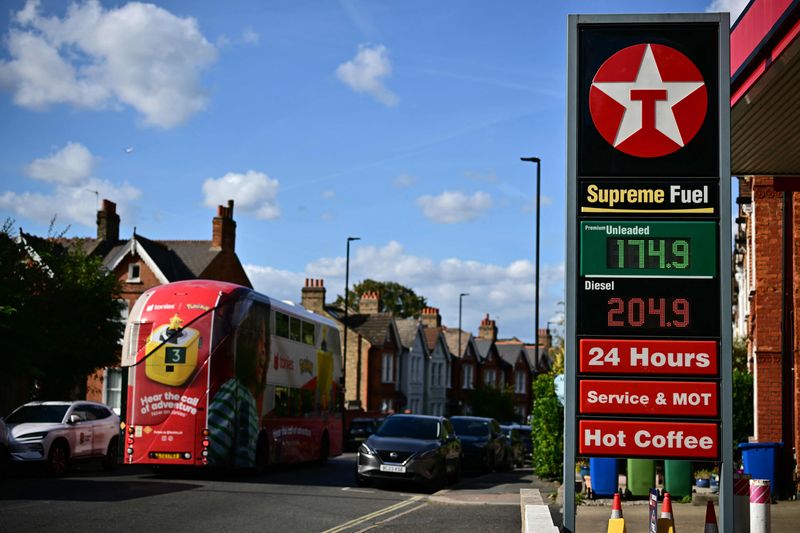
[Financial News] International oil prices ended mixed on the 15th (local time), as positive and negative factors at home and abroad converged, including a sharp drop in U.S. crude inventories and consideration of easing sanctions on oil tankers.
On the New York Mercantile Exchange (NYMEX), U.S. West Texas Intermediate (WTI) for November delivery settled at $97.97 a barrel, up $2.88 (3.03%) from the previous session. It marked a sixth consecutive session of gains since the 8th, reaching its highest level in about a month, since September 18.
By contrast, December Brent crude, the global benchmark, settled slightly lower on the London ICE Futures Exchange at $105.92 a barrel, down $0.14 (0.13%) from the previous session.
The main factor driving WTI's strong gains that day was a drop in U.S. crude inventories that far exceeded expectations.
According to the U.S. Energy Information Administration (EIA), U.S. crude inventories fell by 8.6 million barrels from the previous week to 415.6 million barrels as of the 9th. That was far greater than the 288,000-barrel decline expected by market analysts, stoking concerns about supply and demand and pushing oil prices higher.
However, news that the U.S. government was considering easing sanctions on the “shadow fleet” of tankers used to evade sanctions curbed further gains in the market.
The U.S. Department of Energy made clear that “even if sanctions are eased, this would not materially help the transportation of Russian crude oil or petroleum products.”
Meanwhile, military tensions in the Middle East continue to be a key factor supporting oil prices. With clashes between Saudi Arabia and Yemen's Houthi rebels continuing recently, concerns about instability in crude oil supply chains have not been fully allayed.
Analysts at Mitsubishi UFJ Financial Group (MUFG) said, “The ongoing geopolitical conflict between Saudi Arabia and the Houthi rebels continues to sustain the geopolitical risk premium in the oil market.”
[email protected] Yoon Jae-jun Reporter