“Sales hit 85 million won in the first month” ... What is the “Korean drink” that became a huge hit in China?
- Input
- 2026-10-18 05:00:00
- Updated
- 2026-10-18 05:00:00
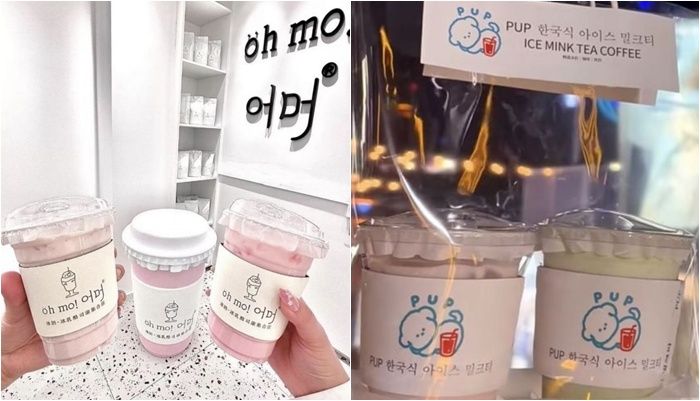
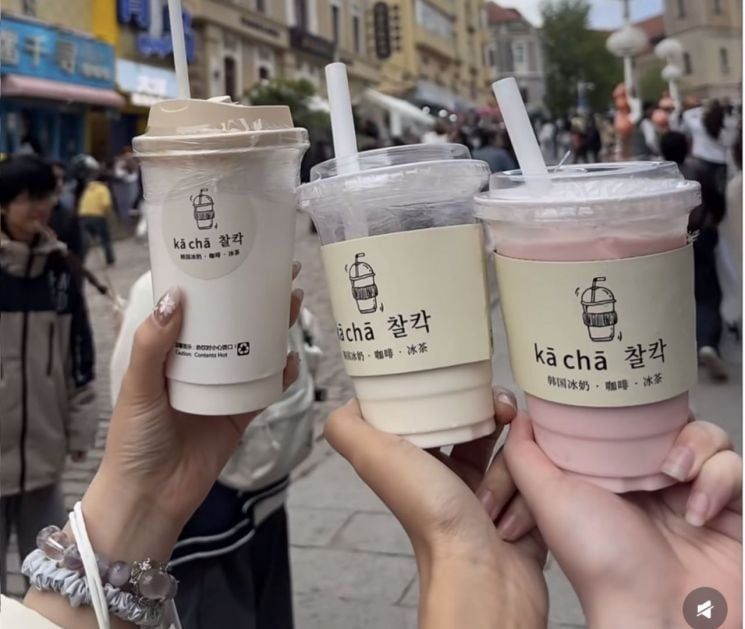
[Financial News] “Korean bingnai,” a Korean-style iced milk tea, is emerging as a popular drink, especially on Chinese social media. It is sold with Korean phrases on its signs and cup sleeves, yet the drink itself is unfamiliar to Koreans. Even so, its popularity among local consumers—simply because “Korea” appears in its name—has once again demonstrated the influence of K-brands.
The Chinese current-affairs weekly Xinzhoukan recently reported that the number of beverage shops promoting Korean bingnai has been growing in major cities.
The outlet said, “Posts about Korean bingnai on social media have totaled 16 million, and videos have received at least 100 million views,” adding, “The name might make you think it is sold at a small café in Seoul, South Korea, but it actually originated in China.”
WUYOO, one of the Korean bingnai brands, had more than 200 stores in China as of the end of June. One outlet even recorded sales of 420,000 yuan (about 84 million won) in its first month. Another brand, Oh Mo!, also announced through its official account that its nationwide store count had topped 100.
Korean bingnai is a drink made by simply blending milk, juice or fruit juice, and ice. It costs around 15–25 yuan (about 3,000–5,000 won) per cup. However, there is no drink called bingnai in Korea. WUYOO actually originated in Shenyang, while Oh Mo! started in Liaoyang.
The outlet analyzed that using Korean marketing keywords was the key to the drink’s success. It explained that Korean dramas and variety shows, along with fashion and food, have gained influence among young Chinese people and become part of consumer trends.
The recent rapid growth in China of low-sugar, low-fat diets and the market for sugar-free tea drinks has also had an impact. Rather than a rich milk flavor, bingnai stands out for the refreshing taste of juice and fruit. It also contains a small amount of tea, which keeps it from being overly sweet. This is said to have attracted consumers who previously did not enjoy milk or heavier milk teas.
Competition to launch new products in China’s beverage market is intensifying. According to market research firm Yilan Commercial Data, 30 major tea and coffee brands in China launched a total of 1,186 new products from January through the end of August this year.
Trends are shifting rapidly in response. Coconut lattes and light milk teas led the way a few years ago, but bingnai now reigns supreme.
According to local media, one brand’s lychee bingnai sold 17 million cups in just 51 days after launch. Another brand’s lemon bingnai sold 1.2 million cups in its first week, while apple jasmine bingnai sold 8.75 million cups in its first week.
[email protected] An Gaeul Reporter